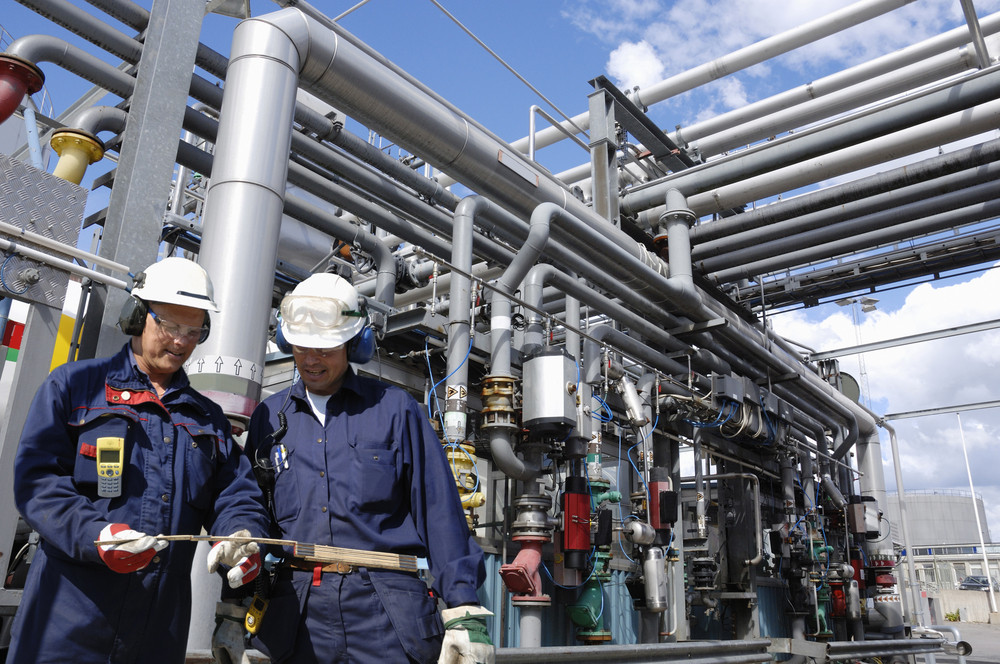
Automation tools are reshaping industrial operations in ways that were hard to imagine just a decade ago. What once required hours of manual labor and constant oversight can now be managed with smart systems, sensors, and connected machines. These tools are not about replacing people. Instead, they help teams work more efficiently, reduce errors, and improve overall consistency. From manufacturing floors to logistics hubs, automation is becoming part of everyday operations. As industries continue to evolve, businesses that embrace these tools are finding new ways to cut costs, boost output, and stay competitive in an increasingly fast-paced market.
Material Selection and Automated Manufacturing
Automation has had a major impact on how materials are selected and processed in industrial manufacturing. Automated systems allow for tighter tolerances, consistent quality, and faster production cycles, which makes material choice more important than ever. Stainless steel, for example, works well with automated machining because of its durability and resistance to corrosion. Its reliability helps reduce downtime and maintenance needs, which fits perfectly into automated workflows. According to Global Market Insights, stainless steel is the most preferred raw material with a share of approximately 45% of the total flanges market share in 2025. This preference reflects how automation and material performance are becoming closely linked.
Smarter Paint Lines and Reduced Waste
Paint and finishing processes were once known for being messy, inconsistent, and wasteful. Automation tools have changed that by bringing precision and repeatability into paint lines. Automated spray systems can control flow rates, angles, and timing far better than manual methods. This leads to smoother finishes and less rework. Over time, these improvements make a noticeable difference in both quality and cost. Many facilities are seeing meaningful savings as waste is reduced and materials are used more efficiently. According to Spray Equipment & Service Center, paint line automation can help you achieve high transfer efficiency and lower operating costs by reducing material waste by up to 30%. That kind of reduction adds up quickly.
Connectivity and Real-Time Decision Making
Automation does not stop at machines. Connectivity plays a huge role in modern industrial operations. With connected systems, managers can monitor performance, track equipment health, and respond to issues in real time. Faster networks make it easier for automated tools to communicate without delays. As industries adopt smarter technology, the underlying network becomes just as important as the machines themselves. Strong connectivity supports data-driven decisions and smoother operations across multiple locations. According to Verizon, in just the second quarter of 2021, they saved $10 billion by increasing 5G over their 4G service. That example highlights how faster, more reliable connections can drive major efficiency gains.
Improving Worker Roles Through Automation
One of the biggest misconceptions about automation is that it removes the human element. In reality, it often changes worker roles for the better. Automation takes over repetitive or physically demanding tasks, allowing employees to focus on problem-solving, monitoring, and improvement efforts. This shift can reduce fatigue and lower the risk of injury. Workers also gain new skills as they learn to manage and maintain automated systems. Over time, this creates a more adaptable workforce that is better prepared for future changes in technology.
Automation tools are changing industrial operations by making them smarter, faster, and more reliable. From material selection and paint line efficiency to network connectivity and workforce transformation, these tools touch nearly every part of modern industry. Businesses that adopt automation are better equipped to reduce waste, improve quality, and scale with confidence. Rather than replacing people, automation supports teams by removing inefficiencies and creating new growth opportunities.