Key Takeaways
- Consistent watering and mulching routines are the foundation of robust tree growth.
- Proper pruning at the correct times helps prevent disease and enhances tree form.
- Awareness of common care mistakes, such as over-mulching or poor planting, can prevent lasting tree damage.
- Taking steps to protect trees against stressors and pests is essential for long-term vitality.
- Routine inspections enable early detection and management of potential health concerns.
Table of Contents
- Watering Wisely
- Mulching Techniques
- Pruning Practices
- Avoiding Common Mistakes
- Protecting Trees from Stress
- Regular Inspections
- Conclusion
Ensuring your landscape remains lush and vibrant begins with caring for your trees. Healthy trees not only add aesthetic value and shade but also contribute to property safety and environmental stability. While many homeowners attempt various methods of tree maintenance, the most effective results come from a thoughtful, proactive approach to tree care. If you’re searching for reliable professionals to assist in maintaining your landscape, Tree Work Now offers trusted tree services Orlando, FL.
Incorporating best practices into your regular tree care routine protects your investment and helps your trees thrive year after year. From strategic watering to safeguarding against environmental threats, the following tips provide a comprehensive guide for achieving a healthy landscape.
Watering Wisely
Water is a critical component of tree health, but more is not always better. Overwatering can suffocate roots and foster fungal disease, while underwatering leaves trees vulnerable to drought stress. For newly planted trees, deep and slow watering encourages robust root establishment, giving them the best start in your landscape. Mature trees typically require less frequent, deeper watering, focusing on the “drip line,” the ground area directly beneath the outermost branches. Watering during cooler hours—early mornings or late evenings—maximizes water absorption and minimizes evaporation, delivering essential moisture to the root zone.
Understanding the type of soil in your yard is vital, as clay, loam, and sandy soils have different water-retention properties. Utilizing a soaker hose or drip irrigation can help control the rate of water delivery, reducing runoff and ensuring efficient distribution.
Mulching Techniques
Mulching serves a dual purpose: conserving soil moisture and inhibiting weed growth. Apply a layer of organic mulch—like shredded bark, wood chips, or leaf mold—spanning 2 to 4 inches thick. It’s important to keep mulch a few inches away from the trunk to prevent rot and limit pest infestations. Many people mistakenly create “mulch volcanoes” by piling mulch against the trunk, which traps excess moisture and leads to decay and pest infestations.
Mulch also regulates soil temperature, keeping roots cooler in summer and warmer in winter. Refresh mulch annually as it breaks down, replenishing its benefits while ensuring the layer does not exceed recommended thickness. Choosing organic mulches adds nutrients back into the soil as they decompose, fostering a healthy environment for root growth.
Pruning Practices
Regular pruning is essential to maintain tree structure, promote healthy growth, and eliminate hazardous branches. According to The Spruce, pruning involves selectively removing specific parts of a tree, such as branches, buds, or roots, to enhance its overall health and appearance. The most effective time to prune is during the tree’s dormant season, late winter or early spring, which minimizes stress and the risk of disease. When pruning, use clean, sharp tools to make precise cuts just outside the branch collar. Proper pruning typically starts with removing dead, dying, or diseased branches, followed by selective thinning to improve air circulation and light penetration within the canopy.
It’s essential to avoid over-pruning; removing too much foliage at once can leave your tree vulnerable and weakened. If you’re unsure about the extent of pruning needed or which branches to remove, consulting a certified arborist can prevent costly mistakes and ensure your tree stays healthy and strong.
Avoiding Common Mistakes
Improper planting, watering, and mulching are among the most common tree care errors. When planting, ensure the hole is twice as wide as the root ball and no deeper—planting too deep can suffocate the roots and slow establishment. Avoid packing soil too tightly, as this limits airflow and drainage, both essential for root health.
Many homeowners also apply excessive fertilizer, believing it will accelerate growth. However, too much fertilizer can harm trees, especially young ones. Always follow soil test recommendations and apply fertilizers only when necessary, targeting specific deficiencies.
Protecting Trees from Stress
Trees are subject to numerous environmental pressures, including construction, compacted soils, drought, high winds, and pest infestations. Limiting foot and vehicle traffic near root zones, using physical barriers during construction, and loosening compacted soil with aeration can help trees withstand these stresses. Drought-stressed trees benefit from mulching and careful watering, while minimizing the use of chemical lawn treatments nearby can reduce root toxicity and improve tree vitality.
Monitor trees regularly for signs of pests, such as beetles or borers, as well as diseases, such as cankers or leaf spots. If symptoms are detected, prompt professional intervention may be necessary to contain and treat the issue before it escalates.
Regular Inspections
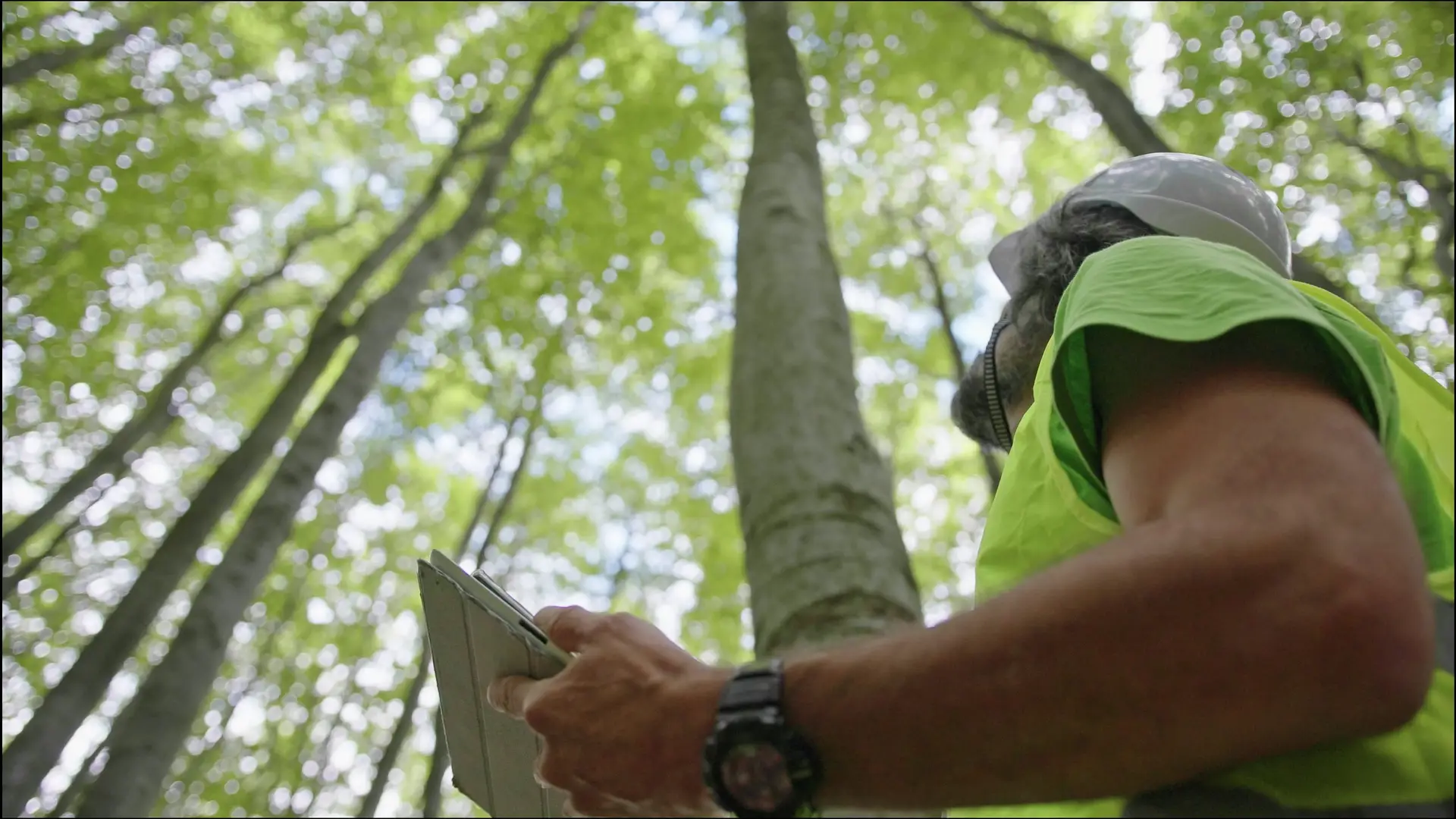
Routine inspections are invaluable for identifying potential issues before they become serious. Inspect trees every season, paying close attention to leaf color, branch structure, and the condition of the bark. Look for signs such as stunted growth, oozing sap, early leaf drop, unusual growths, and any visible pests.
Professional arborists have the training to diagnose subtle or hidden problems and can recommend tailored solutions that help keep your landscape healthy and thriving. Early intervention not only saves trees but also protects your property and reduces long-term maintenance costs. By adopting these tree care strategies, you create a resilient and attractive landscape. Healthy trees reward your efforts by providing beauty, shade, and increased property value for years to come.
Conclusion
Caring for your trees is more than just a task; it is an investment in the health, beauty, and safety of your landscape. By implementing consistent watering, proper mulching, timely pruning, and routine inspections, you give your trees the best chance to thrive. Awareness of common mistakes and protection against environmental stressors ensures long-term vitality. With thoughtful, proactive tree care, your landscape will remain lush, vibrant, and resilient for years to come.