Table of Contents
- Understand Your Needs
- Seek Personal Referrals
- Research Potential Agents
- Verify Credentials and Experience
- Interview Multiple Agents
- Assess Communication and Availability
- Review Contract Terms
- Trust Your Instincts
Embarking on the journey of buying or selling a home is a significant milestone, and selecting the right real estate agent can make all the difference. With numerous agents vying for your attention, it’s essential to know how to identify the one who best aligns with your needs. If you are exploring coastal North Carolina, a great starting point is connecting with a professional such as Morehead City NC real estate agent Linda Rike, whose local expertise can help you navigate the process with confidence.
The stakes in real estate transactions are high, involving substantial financial investment and emotional commitment. Ensuring you partner with an agent who understands your circumstances and targets your goals can greatly influence your experience, whether you’re entering the market as a buyer or seller. The process extends beyond credentials—it’s about trust, rapport, effective communication, and a tailored approach that addresses your unique needs.
Choosing the right real estate partner means gaining an advisor and advocate, someone who can guide you through negotiations, market trends, legal considerations, and the many unexpected turns your real estate journey may take. Knowing the right questions to ask and markers to look for will set you up for a successful transaction and a smoother, less stressful experience overall.
Understand Your Needs
Before you begin the process of selecting an agent, take the time to clarify your primary goals. Are you buying your first home, selling a rental property, or upgrading to a larger space? Some agents specialize in first-time homebuyer programs, relocation, luxury properties, or investment sales. Understanding your timeline, price range, and preferred style of communication is essential in narrowing your list.
Setting your priorities in advance will not only save time, it will also ensure you approach agents with a clear sense of what you’re seeking in terms of location, services, and support. Think about whether you require an agent with strong negotiation skills, deep market knowledge in your desired neighborhood, or a proven marketing approach for listings.
Seek Personal Referrals
Word-of-mouth recommendations have always been a cornerstone of the real estate industry. Friends, family, and colleagues can provide valuable insights from their recent experiences, helping you make informed decisions. According to the National Association of Realtors, 41% of homebuyers find their agents through referrals, a testament to the trust placed in personal recommendations.
Collecting referrals doesn’t have to be limited to your personal network. Consider connecting with local community groups, social clubs, or workplace networks to expand your reach. These circles often harbor firsthand knowledge about which agents have a strong reputation for service, transparency, and results in your target area.
Research Potential Agents
With an initial list in hand, vetting each candidate is the next critical step. Review agents’ websites for their market specialties, read testimonials, and scan social media profiles for indicators of professionalism and approachability. Online resources, such as Zillow, Realtor.com, and review sections on Google Business, provide customer feedback and ranking details.
Explore recent sales and listings, and pay special attention to agents’ familiarity with your target neighborhood. A strong local track record can translate into insider advantages during negotiations or bidding wars. The Better Business Bureau also encourages buyers and sellers to review public feedback and standing within the industry.
Verify Credentials and Experience
Ensuring an agent’s license is current and in good standing safeguards you against potential legal or ethical issues. Use your state’s official real estate licensing website to check credentials, review disciplinary records, and confirm areas of specialization. Seasoned agents with years of hands-on experience are generally more adept at navigating complex deals and changing markets, which can make a meaningful difference, especially in competitive environments.
Ask prospective agents about specific certifications, such as Accredited Buyer’s Representative (ABR) or Certified Residential Specialist (CRS), which reflect dedication to continued professional development.
Interview Multiple Agents
The best way to compare styles and strategies is to meet with more than one agent before making your choice. Prepare a list of questions to uncover each agent’s marketing strategies, familiarity with your target locale, and approach to negotiation and client support. Inquire about recent successes, market forecasts, and how they plan to address any anticipated challenges in your case.
Assess not only their knowledge but also their willingness to listen and understand your unique circumstances. Chemistry matters—this relationship should be both professional and comfortable, as open communication will run throughout the buying or selling journey.
Assess Communication and Availability
Real estate markets can move quickly, with new listings and offers happening daily. An agent’s availability and response time can impact the success of your transaction. Discuss your preferred lines of communication—text, email, or phone—and ensure your agent can respond promptly, ideally within a few hours.
An engaged and reliable agent won’t leave you guessing and will proactively provide updates on each stage of your journey, ensuring fewer surprises and smoother decision-making. Clarify how your agent manages time zones, weekends, and urgent situations so you know what to expect if timelines are tight.
Review Contract Terms
Commission rates, contract length, cancellation clauses, and additional fees must all be clearly outlined in your agreement. Take your time to examine the details and don’t hesitate to ask for clarification; reputable agents will welcome your questions. Understanding your binding obligations up front guards you against misunderstandings and potential disputes later on.
If something in the paperwork isn’t straightforward, you might consult reliable real estate resources like Consumer Reports’ guide to finding a good real estate agent to help break down industry terms and best practices.
Trust Your Instincts
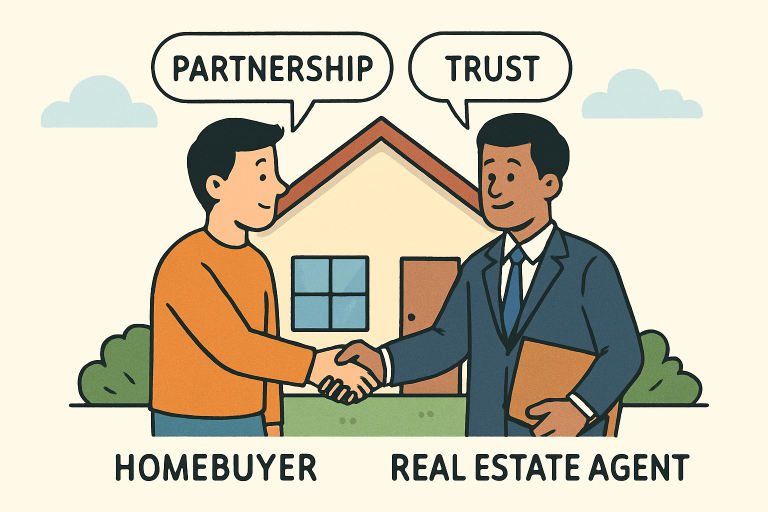
Beyond contracts and credentials, trust and rapport are vital. If you ever feel pressured, misunderstood, or uncomfortable, don’t ignore those feelings. The relationship with your real estate agent should be built on transparency, empathy, and genuine support for your best interests. It’s perfectly acceptable to continue searching until you find the advocate who feels like the right fit for your needs and personality.
By following these steps, you will empower yourself to select an agent who will guide you through every phase of your home journey with expertise, confidence, and a sense of partnership—ultimately ensuring a positive and rewarding real estate experience.