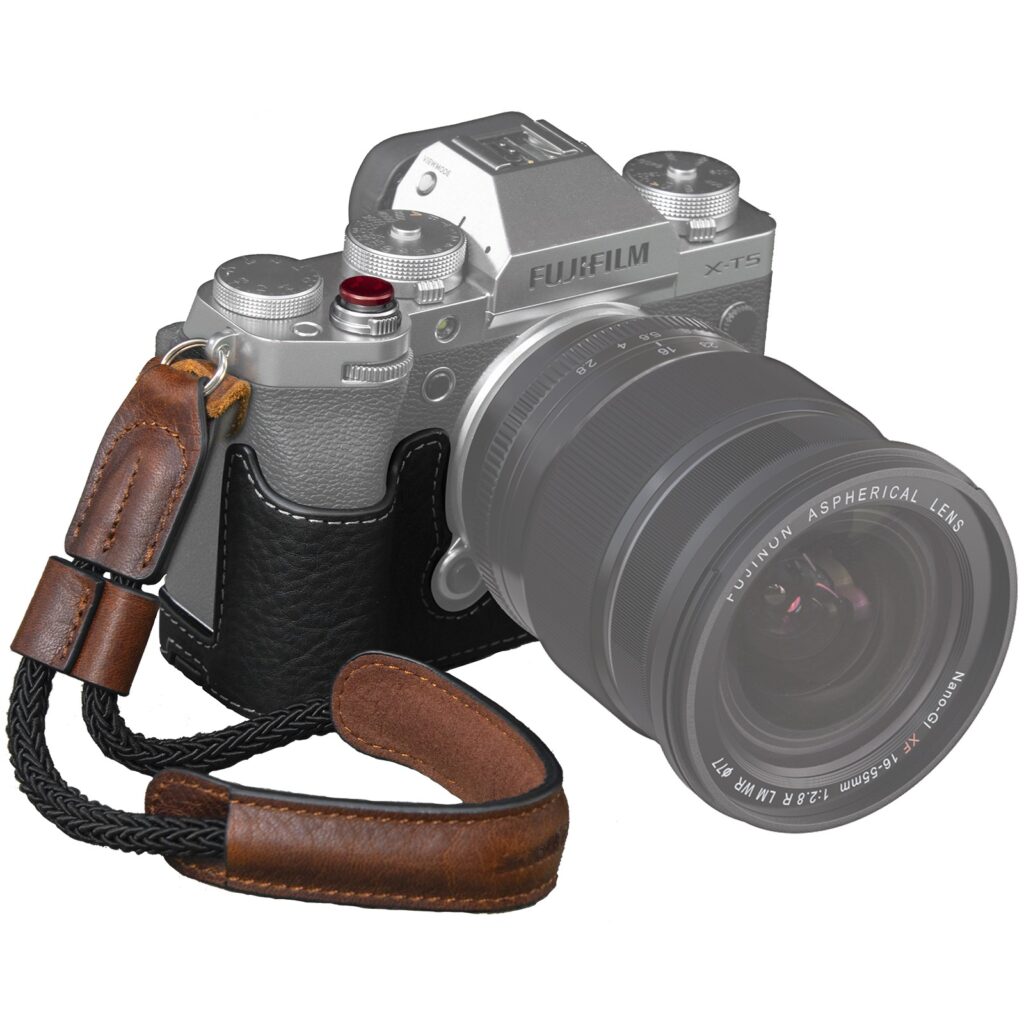
Picture this: you’re navigating a crowded festival, camera in one hand, spare lens in the other, trying to capture a fleeting moment while your gear threatens to slip from your grasp. It’s a scenario every photographer knows too well. The question that follows is critical: for optimal protection of your valuable equipment, should you rely on a camera strap or a camera bag? This isn’t just about convenience—it’s about safeguarding investments that can run into thousands of dollars. The dilemma is real: camera straps offer unmatched accessibility, keeping your gear ready at a moment’s notice, while camera bags and protective cases provide comprehensive safeguarding against impacts, weather, and theft. For photographers seeking durable carrying solutions that balance quick access with robust protection, the choice can feel overwhelming. This article delivers a detailed comparison of both options, examining their protective capabilities in real-world scenarios. By the end, you’ll have a clear framework to make an informed decision based on your specific shooting style, the value of your equipment, and the environments where you work.
The Fundamental Roles: Understanding Camera Straps and Bags
Camera straps serve as active carrying tools designed to keep your equipment securely attached to your body while maintaining instant accessibility during shooting sessions. They function as a safety tether, preventing drops and freeing your hands for adjustments or secondary tasks. In contrast, camera bags and protective cases are engineered as storage and transport systems, creating a controlled environment that shields your gear from external threats when it’s not in immediate use. The distinction is crucial: straps protect through retention and readiness, while bags protect through isolation and cushioning. Understanding that “better” protection isn’t absolute but contextual is essential to making the right choice. A strap excels during active photography—keeping your camera secure as you move through crowds, climb stairs, or switch lenses—while a bag dominates during transit, providing a fortress against impacts, weather, and the chaos of travel. Neither solution is universally superior; instead, each addresses different phases of your photography workflow. The most effective approach recognizes these complementary roles rather than viewing them as competing alternatives.
In-Depth Analysis: Camera Straps as Protective Carrying Solutions
Types of Camera Straps and Their Protective Features
Camera straps come in three primary configurations, each offering distinct protective advantages. Neck straps, the traditional choice, distribute weight across your shoulders and keep the camera positioned at chest level, reducing the distance it could fall if grip fails. Sling straps cross diagonally across your body, allowing the camera to rest at your hip or slide quickly to shooting position while maintaining a secure anchor point that prevents drops during rapid movement. Harness systems distribute weight across both shoulders and often include chest or waist stabilization, virtually eliminating bounce and swing that can cause the camera to strike objects or slip from position. Protective features common across quality straps include reinforced stitching at stress points, quick-release mechanisms that allow emergency detachment if the strap snags dangerously, and generous padding that reduces pressure fatigue—a critical safety feature since tired photographers are far more likely to fumble equipment during critical moments.
Protection Scenarios: When a Strap is Your Best Defense
Straps provide irreplaceable protection during active photography sessions where your camera must remain instantly accessible. During street photography, a strap keeps your camera secure as you navigate unpredictable crowds, preventing the drops that occur when juggling equipment while reacting to spontaneous moments. At weddings and events, straps allow you to move quickly between ceremony spaces, climb stairs, and adjust lighting equipment without setting down your camera, eliminating the vulnerability window when gear rests unattended on tables or chairs. For landscape photographers traversing uneven terrain, a properly adjusted strap keeps the camera stable against your body, preventing it from swinging into rocks or trees during scrambles. The strap also reduces handling errors caused by fatigue—after hours of shooting, the security of a strap attachment means a momentary lapse in grip doesn’t result in catastrophic equipment loss, making it your primary defense against the most common cause of camera damage: accidental drops.
Limitations of Straps for Equipment Safeguarding
Despite their effectiveness during active use, straps offer virtually no protection against many common threats to camera equipment. They provide zero cushioning against impacts—if you bump your camera against a doorframe, fall while hiking, or accidentally knock it against a wall, the strap does nothing to absorb the shock. Environmental protection is equally absent; straps leave your camera fully exposed to rain, dust, sand, and temperature extremes that can damage sensors, corrode contacts, or fog lenses. In crowded spaces, a camera hanging from a strap remains vulnerable to theft, accidental bumps from passersby, and the very real risk of someone spilling drinks or food on exposed equipment. Perhaps most significantly, straps only protect the camera body itself—your additional lenses, batteries, memory cards, and accessories remain unprotected, requiring separate carrying solutions. This fundamental limitation means straps can never serve as your complete protective strategy, regardless of their quality or design sophistication.
Comprehensive Guard: Camera Bags and Protective Cases
Spectrum of Protection: From Sling Bags to Hard Cases
Camera bags exist along a protection spectrum, with each category designed for progressively harsher conditions. Everyday sling bags and casual backpacks offer basic padded compartments and soft dividers, suitable for urban photography where the primary threats are minor bumps and light rain. Dedicated camera backpacks step up protection with rigid external shells, thick foam padding, and customizable divider systems that create individual compartments for each piece of gear, preventing items from colliding during movement. At the extreme end, hard protective cases—often made from injection-molded polymers with pressure-release valves—provide crush-proof, waterproof fortresses designed for air travel, extreme weather expeditions, and industrial environments. These cases feature dense foam inserts cut to exact equipment specifications, creating a suspension system that absorbs impacts from all directions. The progression reflects increasing protection levels: soft bags defend against scratches and light impacts, structured backpacks handle daily transport rigors, and hard cases survive scenarios that would destroy lesser protection.
How Bags Provide Superior All-Round Safeguarding
The protective superiority of bags stems from their ability to create a controlled microenvironment around your entire equipment system. Padded compartments with adjustable dividers prevent gear-on-gear contact, eliminating the scratches and impacts that occur when lenses and bodies jostle together during transport. Weather-resistant fabrics with sealed seams and rain covers shield electronics from moisture, while dust-proof zippers prevent particle infiltration that degrades sensor performance over time. Security features including lockable zippers, hidden pockets, and anti-theft cable loops deter opportunistic theft in airports and tourist areas. Perhaps most critically, bags protect your complete kit simultaneously—camera bodies, multiple lenses, batteries, chargers, filters, and memory cards all receive uniform protection during the vulnerable transit phases when equipment faces the greatest risk of catastrophic damage from drops, crushing, or environmental exposure that straps simply cannot address.
The Trade-off: Accessibility and Portability Challenges
The protective advantages of bags come with significant operational compromises that directly impact your ability to capture images. Accessing your camera requires stopping, removing the bag, unzipping compartments, and extracting equipment—a process that takes precious seconds during which decisive moments vanish forever. Bags add bulk and weight to your carry load, making them conspicuous in crowded spaces and exhausting during long shooting days, particularly when you’re already managing lighting equipment or personal items. In dynamic shooting environments like concerts or protests, setting a bag down to open it creates vulnerability—either you lose sight of your gear, or you miss the action while fumbling with zippers. Weather-sealed bags, while protective, often require complete removal to access contents, meaning you must expose your entire kit to rain just to swap a lens. This accessibility penalty makes bags impractical as primary carrying solutions during active photography, relegating them to transport and storage roles despite their superior protective capabilities.
Making the Choice: A Practical Guide for Photographers
Assessing Your Needs: A Step-by-Step Decision Framework
Begin by honestly evaluating your primary shooting style—if you spend most sessions actively moving and capturing spontaneous moments, accessibility through straps takes priority; if you primarily transport gear between controlled shooting locations, comprehensive bag protection matters more. Next, inventory your equipment’s total value and replacement cost: gear worth several thousand dollars justifies investing in premium hard cases for transport, while modest kits can rely on quality padded backpacks. Examine your typical shooting environments critically—urban photographers face theft and crowd risks where bags offer security, while wilderness shooters need weather protection that straps cannot provide, yet also require mobility that heavy cases compromise. Consider the frequency and nature of your transit: photographers flying weekly need TSA-compliant hard cases, while those driving locally can use softer, lighter solutions. Finally, identify your personal priority threshold—if missing a decisive moment causes you more pain than potential repair costs, lean toward strap-centric systems; if the thought of damaged equipment keeps you awake, prioritize maximum bag protection even at the cost of some spontaneity during shoots.
The Ultimate Solution: Integrating Straps AND Bags
The most effective protection strategy rejects the false choice between straps and bags, instead implementing both as complementary components of a complete system. Use a protective bag or hard case for all transit phases—driving to locations, air travel, storage between shoots—creating a fortress around your complete kit when it faces maximum risk from impacts, crushing, and environmental exposure. Once you arrive at your shooting location, attach your camera to a high-quality, comfortable camera strap and work freely, knowing the strap prevents drops and keeps gear accessible while the bag remains nearby as a secure base. Invest in bags with quick-access side panels or top-loading designs that allow lens changes without fully opening the main compartment, enabling you to maintain strap-secured shooting while still benefiting from bag protection for unused gear. Many photographers also enhance this integrated approach with modular accessories—manufacturers like SmallRig offer mounting plates, cage systems, and attachment points that work seamlessly with both straps and bags, adding extra security layers without compromising workflow flexibility. This integrated approach delivers comprehensive protection across your entire workflow—bags safeguard during vulnerable transport, straps secure during active shooting—creating redundant safety layers that address every threat your equipment faces.
Building Your Complete Protection Strategy
The question of whether camera straps or bags protect your equipment better reveals a false dichotomy—the most effective safeguarding comes not from choosing one over the other, but from strategically deploying both as integrated components of a complete protection system. Camera straps excel as your frontline defense during active shooting, preventing the accidental drops and handling errors that cause the majority of equipment damage while maintaining the instant accessibility that defines great photography. Camera bags and protective cases dominate as comprehensive guardians during transport and storage, shielding your complete kit from impacts, environmental hazards, and theft when gear is most vulnerable. The optimal carrying solutions for your specific needs depend entirely on your shooting style, equipment value, and typical environments—a wedding photographer’s requirements differ dramatically from a wilderness landscape shooter’s, just as a hobbyist’s risk tolerance differs from a professional’s. The final recommendation is clear: invest in a high-quality, comfortable camera strap engineered for your shooting style, pair it with a protective bag or case appropriate to your transport conditions, and use each tool during the phase of your workflow where it delivers maximum protection. This layered approach creates redundant safety systems that address every threat your valuable gear faces, from the studio to the summit.