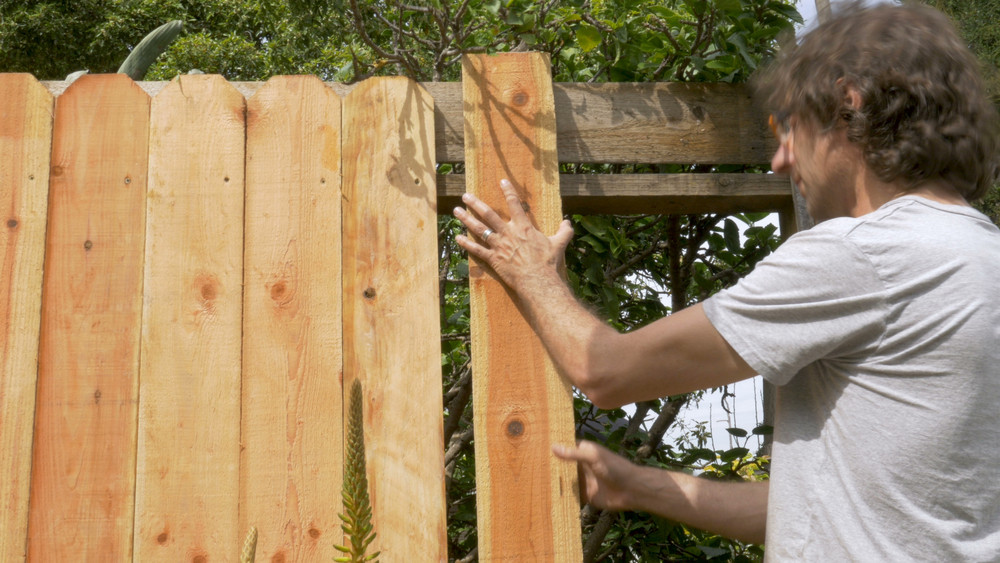
Fences are more than just boundary markers—they provide security, privacy, and curb appeal for your property. Installing a durable, attractive fence requires careful planning, a clear understanding of costs, and choosing the right materials and professionals. In this guide, we’ll walk you through the key considerations for installing a fence that lasts, including material lifespan, installation costs, and the importance of hiring a qualified contractor. With proper knowledge and preparation, you can ensure your fence remains functional and beautiful for years to come.
Understanding the Lifespan of a Wood Fence
One of the first questions homeowners ask is how long a fence will last. According to This Old House, a well-constructed wood fence typically has a lifespan of around 20 years. This estimate assumes the fence is built using quality materials, properly treated for weather resistance, and maintained regularly. Regular maintenance includes cleaning, staining or sealing, and inspecting for damaged or rotting boards.
Choosing the right type of wood can also impact longevity. Cedar and redwood are popular options because they resist rot and insect damage better than softer woods. Proper installation is equally important; posts should be set in concrete and at appropriate depths to withstand environmental stresses. While fences may require occasional repairs, understanding the expected lifespan helps homeowners plan for future maintenance or replacement, ensuring that the investment remains worthwhile.
Budgeting for Fence Installation
Cost is often a significant factor when deciding on a fence. According to Bob Vila, installing a fence typically ranges from $13 to $25 per linear foot, depending on materials, height, and complexity. Additional costs may include gates, hardware, or decorative elements, which can raise the overall price. Knowing these numbers in advance helps homeowners plan their budget accurately and avoid unexpected expenses.
It’s important to balance cost with durability. While less expensive options may fit the short-term budget, investing in higher-quality materials can reduce repair costs and extend the fence’s lifespan. Comparing multiple quotes from contractors and understanding what each includes—such as excavation, post-setting, and finishing—ensures you get the best value. Planning your budget around both upfront and long-term costs allows for a fence that not only looks good but also stands the test of time.
Hiring a Qualified Fence Contractor
The skill and experience of your contractor directly impact the quality and longevity of your fence. According to Forbes Home, a licensed fence contractor must have at least ten years of experience, ongoing training, and proven knowledge of current industry standards and trends. This ensures the professional is well-equipped to handle both standard installations and complex projects.
Hiring a seasoned contractor reduces the risk of installation errors, such as uneven posts or improperly spaced boards, which can compromise structural integrity. Experienced professionals also have insights on material selection, local building codes, and weather considerations that less experienced installers may overlook. Checking credentials, reading reviews, and requesting references are important steps in choosing a trustworthy contractor. Investing in a qualified professional ultimately safeguards your investment and contributes to a fence that lasts for decades.
Tips for Maintaining Your Fence
Even the best-constructed fence requires routine care to maximize its lifespan. Inspect your fence at least once a year for loose boards, rot, or insect damage. Clean debris and dirt regularly, and apply a protective stain or sealant every few years. Maintaining proper drainage around the posts helps prevent water damage, and trimming nearby vegetation reduces moisture buildup.
Simple steps like tightening screws, lubricating hinges on gates, and replacing broken boards promptly can prevent minor issues from becoming major problems. By combining professional installation with proactive maintenance, your fence can remain both functional and aesthetically appealing for many years.
Installing a long-lasting fence requires careful planning, thoughtful budgeting, and the skills of a seasoned contractor. A well-constructed wood fence can provide many years of durability, and understanding the general costs involved, along with hiring a contractor with substantial experience, helps ensure a successful project. Regular maintenance further enhances the fence’s longevity, keeping it both secure and visually appealing. By approaching your fence installation with care and attention, you can enjoy a sturdy, attractive addition to your property that stands the test of time.