Key Takeaways
- Seasonal changes in Milton, FL, significantly influence tree health and maintenance needs.
- Spring and summer promote growth but require vigilance against pests and diseases.
- Fall and winter necessitate preparation for cooler temperatures and potential storms.
- Professional tree care services can provide tailored solutions for seasonal challenges.
Table of Contents
- Spring: Growth and Pest Management
- Summer: Heat and Drought Precautions
- Fall: Preparation for Cooler Months
- Winter: Storm Readiness and Pruning
- Impact of Hurricanes on Tree Health
- Professional Tree Care Services in Milton
- Frequently Asked Questions
Understanding the relationship between seasonal patterns and tree health is essential for homeowners and property managers in the Milton, Florida area. By recognizing the specific risks and opportunities each season brings to tree care, you can develop effective strategies to support strong, thriving trees in your landscape. Partnering with a reputable local expert like D’s Trees ensures your trees stay healthy year-round. For those seeking affordable tree removal in Milton FL, D’s Trees offers a full range of services including pruning, stump grinding, emergency tree support, and preventive maintenance, detailed on their website for easy scheduling and service inquiries.
With a focus on safety, sustainability, and long-term tree health, D’s Trees provides expert solutions tailored to the Milton community. Their trained arborists combine professional knowledge with local experience, helping residents protect their property while maintaining vibrant, well-managed trees throughout Santa Rosa County and surrounding areas.
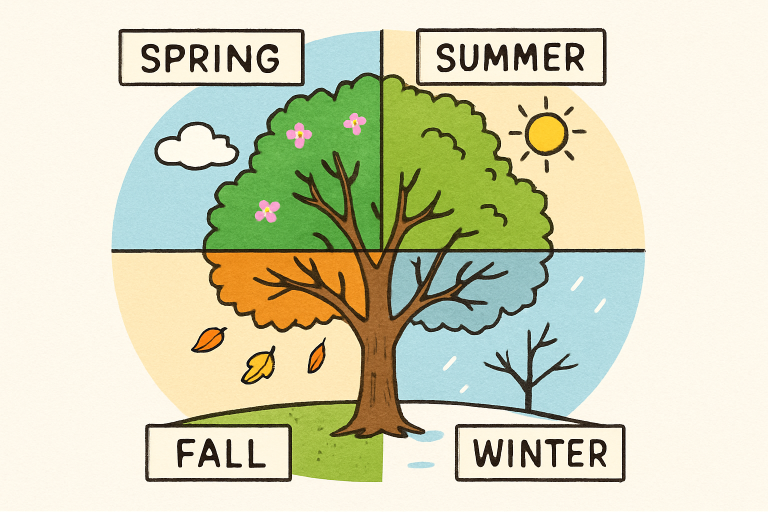
Spring: Growth and Pest Management
As spring arrives and temperatures climb, trees in Milton burst into renewed growth. New leaves, buds, and branches emerge during this season, making it the perfect time to fertilize and help trees recover from winter dormancy. However, the combination of warmth and moisture also invites pests such as aphids, caterpillars, and borers. In Milton, homeowners frequently encounter oak leaf blister and scale insects on live oaks, as well as citrus leafminers in backyard citrus trees. To maintain healthy trees, it’s essential to inspect for pest activity and address issues early before infestations spread. Implementing strategies from resources such as the EPA’s guide to Integrated Pest Management (IPM) principles can help homeowners identify pests efficiently, use environmentally friendly controls, and reduce reliance on chemical treatments. Additional guidance can also be found from the University of Florida IFAS Extension, which provides region-specific advice for tree and pest management. Spring is also a good time to check for fungal diseases, which can thrive in humid conditions. Preventative maintenance, such as removing affected limbs, helps reduce the impact of these challenges on your landscape.
Summer: Heat and Drought Precautions
The summer months in Milton bring soaring temperatures and occasional dry spells, making proactive water management essential. Deep, infrequent watering ensures the soil is moist enough for roots to reach deeper levels and stay hydrated. Applying mulch around the base of the tree conserves moisture, suppresses weeds, and stabilizes soil temperatures. Watch for early signs of heat or drought stress, such as drooping, wilting, or scorched leaves, and adjust your watering schedule as necessary. Summer is also a time when trees need extra care to remain resilient amid mid-year heat. Native trees like Southern live oak and longleaf pine generally handle heat well, but young magnolias and crepe myrtles may need extra attention during dry spells.
Fall: Preparation for Cooler Months
Fall brings cooler air and shorter days, signaling trees to shift focus from growth to preparation for winter dormancy. This is the optimal time to prune dead or diseased branches—removing these minimizes the risk of winter storm damage and prevents the spread of decay. Spreading a fresh layer of mulch insulates roots from abrupt temperature changes and helps retain soil nutrients. For those looking to plant new trees, fall is an excellent time, giving young trees several months to establish roots before summer stress.
Winter: Storm Readiness and Pruning
While Milton typically experiences mild winters, the area is not immune to severe weather, including strong winds and heavy rainfall. Pruning your trees strategically before winter helps reduce the risk of limb loss or property damage during storms. Have a certified arborist check for structural weaknesses, such as cracks or codominant trunks, to reinforce tree stability. Winter is also generally a good time for pruning major branches, as most trees are dormant, making it less stressful for the plant and more straightforward to identify the healthiest wood.
Impact of Hurricanes on Tree Health
The Gulf Coast, including Milton, is vulnerable to hurricanes and tropical storms each year. These extreme weather events can lead to uprooted trees, broken limbs, and saltwater exposure, all of which threaten the landscape’s health. Notably, after an intense hurricane, local industries—including Florida’s citrus growers—suffered millions in losses due to tree damage. Preparation is key: opt for wind-resistant species where possible and keep trees pruned to limit weak growth. Species like live oak, cypress, and southern magnolia are generally more wind-resistant and recommended for hurricane-prone landscapes in Northwest Florida. Address storm-damaged trees quickly to reduce hazards and disease spread.
Professional Tree Care Services in Milton
Given the diversity of trees and climate conditions in Northwest Florida, expert guidance is invaluable. D’s Trees sets itself apart in Milton, FL, offering comprehensive solutions tailored to the regional environment. Their team provides everything from routine inspections and pruning to 24/7 storm recovery and consultation on new plantings. Their deep roots in the local community, commitment to ongoing education, and investment in safety standards ensure you receive quality service every season.
Frequently Asked Questions
How often should I water my trees during the summer in Milton?
In summer, water deeply once or twice a week, adapting based on rainfall and weather intensity. Deep irrigation encourages roots to grow further, providing drought resistance and long-term tree stability.
What are common signs of pest infestations in trees?
Warning signs include spotted or eaten leaves, sticky sap, visible insects, and branch dieback. Early recognition allows for targeted intervention before more serious harm occurs.
When is the best time to prune trees in Milton?
Late winter to early spring is prime for most pruning, as trees are dormant and pruning wounds heal quickly. Urgently remove dead or hazardous branches whenever discovered, regardless of the season.
How can I prepare my trees for hurricane season?
Implement a regular inspection and professional pruning plan, remove weak or overcrowded branches, and have trees evaluated by a certified arborist to identify hidden vulnerabilities.
Why is mulching important for tree health?
Mulching retains moisture, prevents weed competition, regulates soil temperature, and gradually improves soil structure as it decomposes. Apply mulch in a wide, shallow ring under the canopy, but avoid piling it against the trunk.
Which tree species thrive best in Milton’s hurricane-prone areas?
Wind-resistant species such as live oak, southern magnolia, and bald cypress generally withstand storms better than more delicate trees like crepe myrtles or young maples.
How does Milton’s sandy soil affect tree care?
Sandy soils drain quickly, requiring more frequent deep watering and careful fertilization to prevent nutrient leaching. Mulching helps retain moisture and stabilize soil around roots.
Adapting your approach to the specific seasonal needs of trees in Milton ensures robust, attractive landscapes—and minimizes risk when severe weather strikes. By working with knowledgeable local experts, you empower your property to thrive no matter the season.