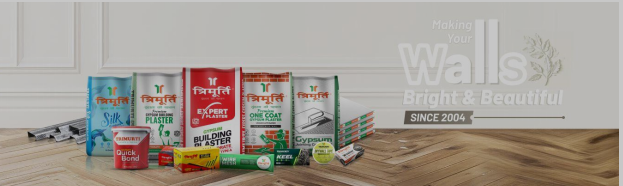
Painting your walls might seem like a simple task, but achieving a smooth, long-lasting finish requires careful preparation. Skipping the preparatory steps can lead to peeling paint, cracks, and uneven surfaces. Using quality products from a trusted construction material company can make a significant difference. In this blog, we’ll walk you through the process of preparing your walls for painting, ensuring professional results, and highlighting essential tips for a flawless finish.
Before diving into the steps, it’s important to understand why wall preparation is crucial. Think of your walls as the canvas of a painting. If the canvas is uneven or dirty, the final artwork will suffer. Proper preparation ensures that paint adheres well, lasts longer, and looks even. It also minimizes the chances of future damage caused by moisture, cracks, or dust.
Step 1: Cleaning the Walls
The first step in wall preparation is cleaning. Dust, grease, and grime create a barrier that prevents paint from adhering properly. Here’s how to clean effectively:
- Dust Removal: Use a soft broom, duster, or vacuum to remove surface dust and cobwebs.
- Wash Walls: Prepare a mild solution of soap and water. Use a sponge to gently scrub walls, especially in kitchens and bathrooms where grease tends to accumulate.
- Rinse and Dry: Wipe the walls with clean water to remove soap residues and allow them to dry completely. Moisture in the wall can prevent paint from bonding properly.
Proper cleaning not only enhances the finish but also improves the longevity of the paint job.
Step 2: Repair Cracks and Holes
Cracks and holes are common in walls over time. Repairing them before painting ensures a smooth surface.
- Small Cracks: Use wall putty or filler to cover minor cracks. Apply with a putty knife, allow it to dry, and sand the area until smooth.
- Large Cracks or Holes: For bigger cracks, you may need to use a patch or mesh along with filler. This ensures the repair is durable and doesn’t reappear after painting.
For walls with tiles, it’s also essential to check the adhesion of tiles. Using the right chemical for fixing wall tiles ensures they are firmly in place, reducing the risk of tiles loosening after painting or during future renovations.
Step 3: Sanding for a Smooth Surface
Sanding smooths out rough patches and provides an even surface for paint to adhere to. Use fine-grit sandpaper for this step:
- Sand any repaired areas until they blend seamlessly with the wall.
- Gently sand the rest of the wall to remove bumps or uneven texture.
- Wipe down the walls with a damp cloth to remove sanding dust.
Sanding might seem tedious, but it’s vital for a professional-looking finish.
Step 4: Priming the Walls
Priming is often overlooked, but it plays a critical role in wall preparation. A primer acts as a bonding layer between the wall and paint, enhancing adhesion and longevity.
- Choose a primer suitable for your wall type.
- Apply one or two coats depending on the wall’s condition.
- Allow sufficient drying time before applying paint.
Priming also helps in reducing the number of paint coats required, saving time and cost in the long run.
Step 5: Protecting Surroundings and Fixtures
Before painting, protect your surroundings to avoid messy accidents.
- Use painter’s tape along edges, door frames, and skirting boards.
- Cover furniture and floors with cloth or plastic sheets.
- Remove light switch covers, outlet covers, and any wall decorations.
These precautions make painting easier and ensure clean, professional-looking edges.
Step 6: Handling Special Wall Surfaces
Different wall surfaces require unique preparation methods:
Tile Walls
If you plan to paint walls with tiles or adjacent surfaces, it’s crucial to secure tiles properly. Using a tile chemical in India ensures strong adhesion and prevents tiles from shifting during painting or renovation. Once tiles are firmly fixed, you can apply a primer designed for glossy surfaces to help the paint stick better.
Damp or Moist Walls
Moisture can ruin paint. Check for damp patches, and treat them with waterproofing solutions. Allow walls to dry completely before painting.
Popcorn or Textured Walls
Textured walls often need additional sanding or filling to achieve a smoother finish. In some cases, it might be better to use specialty primers to avoid uneven paint layers.
Step 7: Choosing the Right Tools and Materials
The right tools make painting efficient and enjoyable. Here’s what you’ll need:
- Brushes and rollers suitable for your paint type
- Putty knife for repairs
- Sandpaper of varying grits
- Painter’s tape and drop cloths
- Primer and paint of your choice
Using quality materials from a trusted construction material company ensures consistent results and durability. High-quality materials may cost more initially but save money in the long term by reducing repainting and repairs.
Step 8: Final Inspection
Before applying paint, inspect the wall carefully:
- Check that all cracks, holes, and uneven areas are smoothed out.
- Ensure that surfaces are clean, dry, and free from dust.
- Verify that tiles are fixed securely and primer is applied evenly.
A thorough inspection at this stage prevents mistakes that could be costly to fix later.
Step 9: Applying Paint
Once the walls are fully prepared, start painting:
- Apply the first coat of paint evenly using a roller or brush.
- Allow it to dry completely.
- Apply a second coat if needed for uniform coverage.
Proper preparation ensures that the paint adheres well, dries evenly, and maintains its vibrant color for years.
Tips for Long-Lasting Paint
- Avoid painting in extreme humidity or direct sunlight.
- Maintain a consistent wall temperature for better drying.
- Clean tools immediately after use to prolong their life.
- Regularly inspect walls for small cracks or peeling and address them promptly.
Conclusion
Preparing your walls before painting is as important as the paint itself. From cleaning and repairing cracks to sanding, priming, and securing tiles with the right chemical for fixing wall tiles, each step contributes to a smooth, durable, and beautiful finish. Choosing quality products from a reliable construction material company and using suitable tile chemicals ensures professional results and longevity.
For those looking to upgrade their interiors or undertake renovations, a well-prepared wall is the foundation of a flawless paint job. Exploring trusted sources like Trimurti for materials and guidance can make all the difference in achieving a polished, long-lasting result.