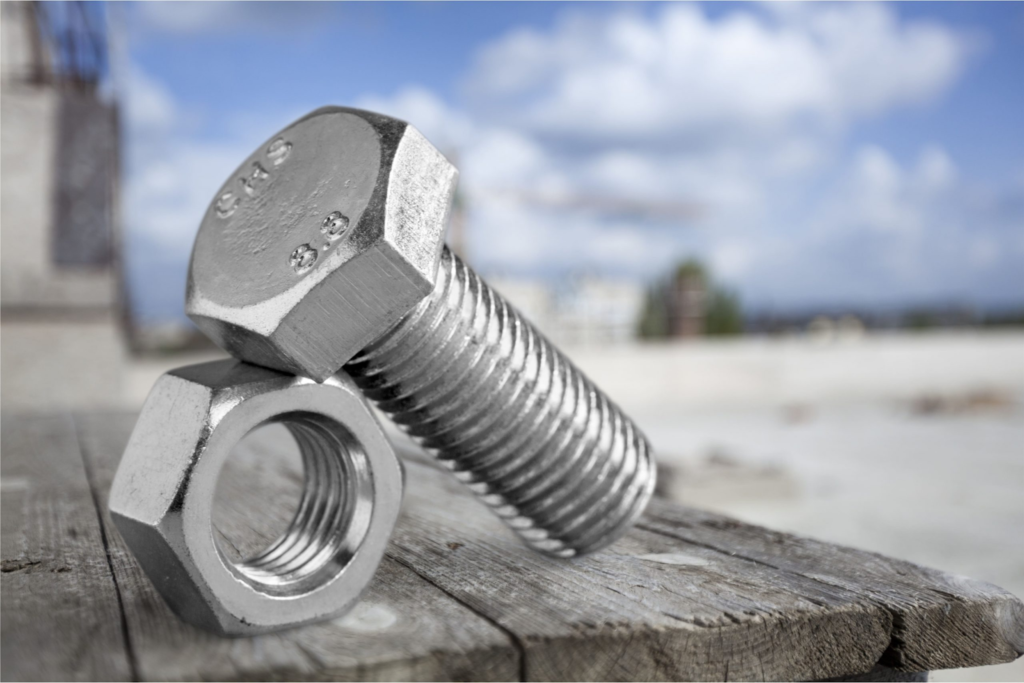
Understanding imperial fastener sizing is essential for anyone working with tools, machinery, or construction projects. Whether it’s fixing a piece of furniture or assembling industrial equipment, knowing how these fasteners are measured and labeled helps ensure strength, stability, and precision.
Let’s explore how imperial fasteners are sized, what makes them unique, and how to choose the right one for any job.
What Is Imperial Fastener Sizing?
The imperial system measures fasteners using inches, unlike the metric system, which uses millimeters. Each fastener in the imperial system is identified by three main measurements: diameter, threads per inch (TPI), and length.
For example, if a screw is labeled as one-quarter inch by twenty by one inch, it means the screw has a quarter-inch diameter, twenty threads per inch, and a length of one inch. These measurements determine how securely the fastener fits and how much weight or stress it can handle.
Understanding these values helps avoid mismatched components and ensures that the fastener performs as expected.
The Key Parts of Imperial Fastener Sizing
Every imperial fastener has three core features that define its size and purpose.
Diameter
The diameter is the width of the fastener’s threaded section. It determines the overall thickness and strength of the screw or bolt. Larger diameters are used for heavy-duty applications like machinery and construction, while smaller ones are ideal for delicate or lightweight assemblies.
Threads per Inch (TPI)
Threads per inch describe how many spiral grooves wrap around the fastener in one inch of length. Fasteners with more threads per inch (fine thread) provide a stronger hold in hard materials, while fewer threads per inch (coarse thread) are easier to insert and remove in softer materials. Choosing the correct thread type helps prevent stripping and ensures a strong, lasting grip.
Length
The length of a fastener refers to how long the threaded section is. For flat-head fasteners, the length includes the head because it sits flush with the surface. For round-head or hex-head fasteners, only the shaft below the head is measured. Selecting the correct length ensures that the fastener penetrates deep enough to secure the materials without damaging them.
Thread Standards in Imperial Fasteners
Imperial fasteners follow the Unified Thread Standard (UTS), which helps maintain consistency across manufacturers and industries. The three most common types of thread series are:
- UNC (Unified National Coarse) – ideal for general applications where speed and durability are key.
- UNF (Unified National Fine) – used in precision applications where tight, strong fits are required.
- UNEF (Unified National Extra Fine) – reserved for special uses requiring high accuracy and a smooth finish.
These standardized threads ensure that bolts, nuts, and screws from different sources fit together properly, reducing errors and waste.
Five Key Tips for Choosing the Right Imperial Fastener
- Choose the Right Material:
Select fasteners made from materials that match the working environment. Stainless steel works well in moist or outdoor conditions, while alloy steel provides strength for mechanical applications. - Understand the Thread Type:
Coarse threads are best for soft materials and quick assembly, while fine threads are better for hard materials that require precision and tighter fits. - Check the Strength Rating:
Fasteners come in different grades that indicate their strength. Higher grades mean stronger fasteners, suitable for demanding jobs where high tension or load-bearing capacity is needed. - Use the Correct Tools:
Always use tools designed for imperial fasteners, such as inch-based wrenches or sockets. Using metric tools can damage the fastener head or lead to poor fitting. - Measure Carefully:
Before purchasing or replacing a fastener, double-check the diameter and length. Even small measurement errors can lead to weak joints or damage to the parts being fastened.
Why Imperial Fasteners Are Still Important
Although many countries have switched to the metric system, imperial fasteners remain a standard choice in North America. Industries like construction, automotive, and aerospace still rely heavily on imperial sizes because so much existing equipment and machinery were built using them.
Using imperial fasteners ensures compatibility with older systems and allows for easy maintenance and repair. They are also valued for their straightforward inch-based measurements, which are familiar to many professionals and hobbyists alike.
Finding Quality Imperial Fasteners
When sourcing fasteners, reliability matters. A trusted supplier ensures you get consistent quality, accurate sizing, and durable materials. Those looking for dependable options can explore industrial screw supply sources, which offer a wide selection of imperial screws, bolts, and related hardware. The right supplier not only provides top-quality fasteners but also guidance on choosing the perfect type for specific projects.
Final Thoughts
Understanding imperial fastener sizing allows anyone to work more confidently and efficiently. Whether you’re assembling furniture, maintaining machinery, or managing industrial equipment, knowing how to read these measurements ensures every connection is secure and long-lasting.