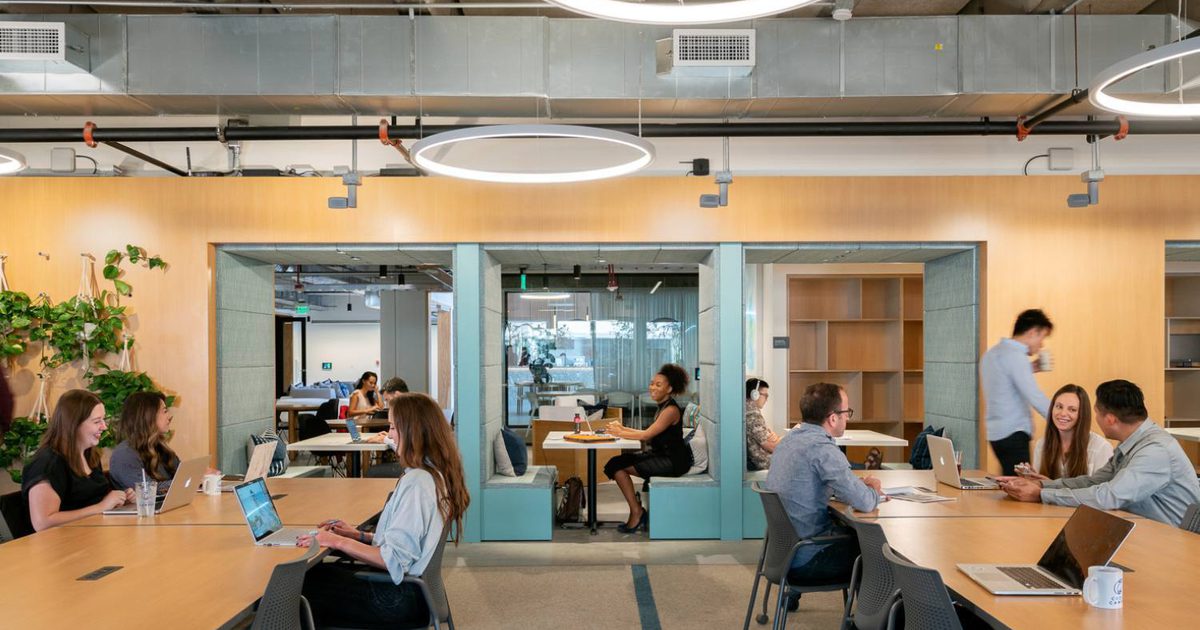
The coworking industry is evolving rapidly, driven by changes in how people work and the growing demand for flexible, tech-enabled environments. What started as a simple concept of shared desks has transformed into a sophisticated ecosystem powered by advanced coworking technology. To stay competitive, coworking operators must understand and adapt to the latest technology trends shaping the future of shared workspaces.
From automation and smart systems to data-driven management, technology is redefining how coworking spaces operate and how members interact with them. These trends are not just about convenience; they are becoming essential for efficiency, scalability, and long-term success.
Cloud-Based Coworking Management Platforms
One of the most significant technology trends in coworking spaces is the shift toward cloud-based management platforms. These systems allow operators to manage memberships, bookings, billing, and communication from anywhere, using a single centralized dashboard.
Cloud-based solutions are especially valuable for operators managing multiple locations. Updates, data access, and system maintenance happen automatically, reducing the need for on-site IT support. For members, this means faster service, fewer disruptions, and consistent experiences across locations.
Automation of Billing and Membership Management
Manual billing processes are quickly becoming outdated in the coworking industry. Automation is now a key component of coworking technology, particularly when it comes to memberships and invoicing. Automated systems can generate recurring invoices, process payments, and send reminders without human intervention.
This trend reduces errors and ensures predictable cash flow for operators. Members benefit from transparent billing, flexible payment options, and clear records of their usage and charges. As coworking spaces offer more customizable plans, automated billing becomes even more critical.
Smart Access Control and IoT Integration
Smart access systems are becoming standard in modern coworking spaces. Using mobile apps, RFID cards, or biometric authentication, members can enter the space securely and conveniently. These systems also allow operators to track usage patterns and control access based on membership levels.
The integration of Internet of Things (IoT) devices takes this trend further. Smart lighting, climate control, and energy management systems adjust automatically based on occupancy. This not only improves comfort for members but also helps reduce operational costs and environmental impact.
Mobile Apps for Enhanced Member Experience
Member-facing mobile apps are increasingly popular in coworking spaces. These apps allow members to book desks or meeting rooms, check availability, receive notifications, and connect with the community. Having everything accessible from a smartphone enhances convenience and engagement.
As competition grows, coworking spaces are using apps to differentiate themselves. Personalized experiences, instant support, and seamless communication help build stronger relationships with members and improve retention.
Data Analytics and Business Intelligence
Data is becoming one of the most valuable assets in coworking operations. Advanced coworking technology now includes analytics tools that provide insights into space utilization, revenue performance, and member behavior.
By analyzing this data, operators can make smarter decisions about pricing, layout design, staffing, and marketing strategies. For example, understanding peak usage times can help optimize desk allocation or guide expansion plans. Data-driven insights give coworking spaces a strategic advantage in a crowded market.
Hybrid Work Support Technologies
As hybrid work models become more common, coworking spaces are adapting their technology to support flexible schedules and remote collaboration. Video conferencing tools, smart meeting rooms, and virtual office services are increasingly integrated into coworking environments.
Technology enables members to seamlessly transition between working from home, the office, and coworking spaces. This flexibility is especially appealing to distributed teams and businesses looking for cost-effective workspace solutions.
AI-Powered Customer Support and Operations
Artificial intelligence is beginning to play a role in coworking technology, particularly in customer support and operations. AI-powered chatbots can handle common member queries, assist with bookings, and provide instant responses around the clock.
On the operational side, AI can help forecast demand, identify trends, and optimize pricing models. While still emerging, AI-driven tools are expected to become more prominent as coworking spaces look for smarter ways to operate efficiently.
Focus on Security and Data Privacy
With increased reliance on digital platforms, security and data privacy have become critical concerns. Modern coworking technology emphasizes secure payment processing, encrypted data storage, and compliance with privacy regulations.
Members trust coworking spaces with sensitive information, including personal details and payment data. Investing in secure technology not only protects this information but also builds trust and credibility with members.
The Long-Term Impact of Technology on Coworking Spaces
These technology trends are shaping a future where coworking spaces are more efficient, flexible, and member-centric. Operators who embrace these innovations can deliver better experiences while controlling costs and scaling operations effectively.
As the industry continues to mature, technology will remain a key differentiator. Coworking spaces that stay ahead of these trends will be better equipped to adapt to changing work patterns and evolving member expectations.
FAQs
Which coworking technology trend is the most important today?
Automation of billing and membership management is currently one of the most impactful trends, as it directly improves efficiency, accuracy, and cash flow.
Are these technologies suitable for smaller coworking spaces?
Yes, many coworking technology solutions are scalable and affordable, making them accessible for small and medium-sized coworking spaces as well.