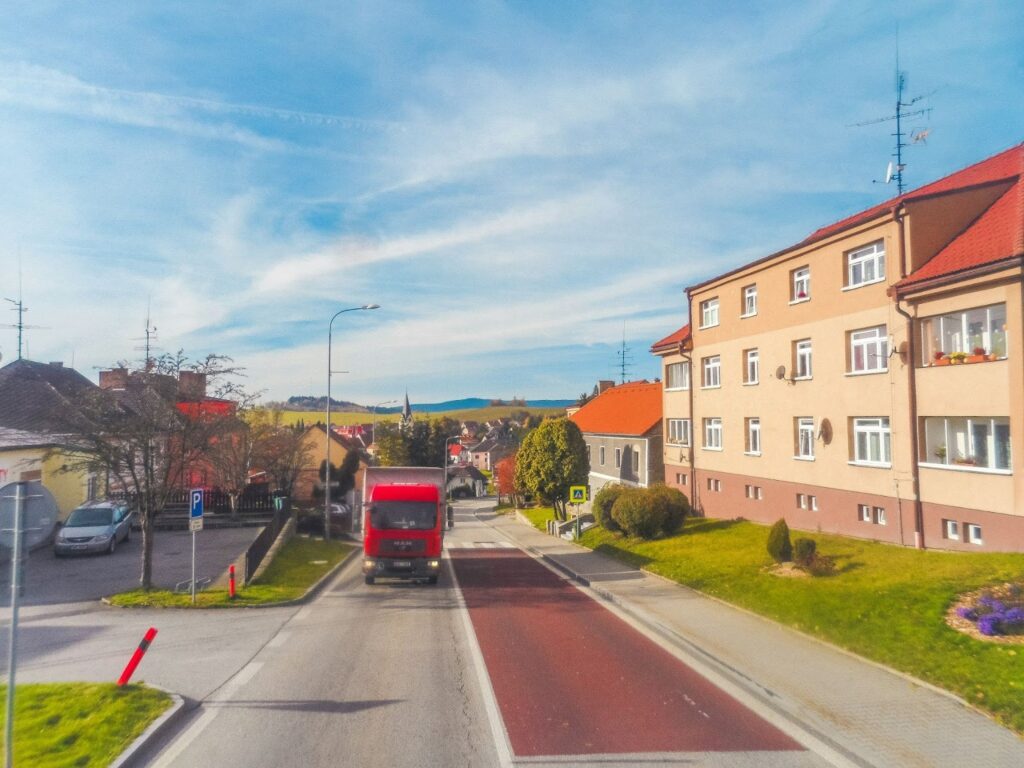
Road safety is a vital concern that affects everyone, whether we are drivers, passengers, pedestrians, or cyclists. Every year, road traffic accidents claim millions of lives worldwide, leaving countless others with permanent injuries or trauma. While technological advancements and stricter laws have improved safety in recent years, human behavior remains the primary factor in most accidents. Road safety is therefore not just a matter of regulation; it is a shared responsibility that requires awareness, discipline, and proactive measures.
Why Road Safety Matters
The importance of road safety extends far beyond preventing fatalities. Traffic accidents have severe social, emotional, and economic consequences. Families can be devastated by the loss or injury of loved ones, while communities face increased healthcare costs, emergency response burdens, and decreased productivity. By prioritizing safety, societies can protect human life, reduce economic losses, and create a more reliable transportation system.
Road safety is also essential for fostering inclusivity. Pedestrians, cyclists, and motorcyclists are often more vulnerable than car drivers, and children or elderly individuals face increased risk in traffic. Ensuring proper safety measures, such as pedestrian crossings, traffic signals, and speed limits, helps protect the most vulnerable members of society.
Key Causes of Road Accidents
Most road accidents result from a combination of human error, environmental factors, and vehicle conditions. Speeding remains one of the leading causes of crashes, as it reduces reaction time and increases collision severity. Distracted driving, particularly due to mobile phone usage, has become a modern epidemic, while driving under the influence of alcohol or drugs continues to endanger countless lives. Fatigue is another often-overlooked factor, with drowsy drivers unable to respond to hazards effectively.
Vehicle and infrastructure issues also contribute significantly. Poorly maintained roads, potholes, inadequate lighting, and unclear signage can lead to accidents. Similarly, vehicles in poor condition, such as those with worn tires, faulty brakes, or malfunctioning lights, pose serious risks. Using high-performance long lasting truck tyres on heavy vehicles improves grip, stability, and braking efficiency, making long-distance journeys significantly safer. Weather conditions such as rain, snow, fog, or ice can further compound these risks.
Promoting Awareness and Education
Education is one of the most effective tools for improving road safety. Governments, non-profits, and schools can implement campaigns to raise awareness about safe driving habits. Key messages include obeying traffic laws, using seat belts and helmets, avoiding distractions, and never driving under the influence. Early education programs can instill responsible road behavior in children, helping create a culture of safety that lasts a lifetime.
Modern technology also aids awareness. Driver-assistance systems, including lane departure warnings, adaptive cruise control, and emergency braking, reduce human error. Mobile apps can track driving behavior and provide feedback, encouraging safer practices. However, technology is only an aid; the responsibility for safe driving ultimately lies with individuals.
Laws and Infrastructure: A Critical Foundation
Legislation plays a crucial role in promoting road safety. Speed limits, traffic signals, seat belt requirements, helmet laws, and regulations against impaired driving establish clear standards for road users. Enforcement of these laws is essential; penalties for violations, regular patrols, and traffic cameras help ensure compliance.
Infrastructure improvements are equally important. Well-designed roads, pedestrian crossings, bike lanes, and adequate street lighting reduce accident risks. For commercial vehicles, investing in high-quality tyres, regular maintenance, and safety inspections ensures safer transportation of goods and people. Together, legislation and infrastructure provide the framework within which safe behavior can thrive.
The Role of Individual Responsibility
Every road user plays a role in creating a safe environment. Drivers must remain alert, follow traffic rules, and respect the rights of pedestrians and other vehicles. Pedestrians should cross roads at designated points and remain aware of oncoming traffic. Cyclists and motorcyclists must wear helmets and reflective gear and adhere strictly to traffic laws.
Being prepared for emergencies is also part of personal responsibility. Carrying a first-aid kit, understanding basic emergency response procedures, and knowing emergency contacts can save lives in critical situations. Cultivating empathy and patience on the road, such as yielding to others and maintaining safe distances, contributes to overall safety for everyone.
Global Efforts and Cooperation
Road safety is a global challenge that requires coordinated efforts. Organizations such as the World Health Organization and the Global Road Safety Partnership work with governments to develop policies, share best practices, and raise awareness worldwide. Initiatives like the Decade of Action for Road Safety (2021–2030) aim to reduce road traffic deaths by half through education, law enforcement, and infrastructure improvement. International collaboration fosters research, innovation, and the dissemination of effective strategies to prevent accidents.
Conclusion
Road safety is more than a legal or technical issue—it is a moral and social responsibility. Every individual, from drivers to pedestrians, has a part to play in preventing accidents and protecting lives. By combining education, legislation, infrastructure improvements, technological innovation, and responsible behavior, we can significantly reduce road traffic fatalities and injuries.
Every careful action, whether wearing a seat belt, using high-performance truck tyres, obeying traffic signals, or teaching children safe crossing habits, contributes to a culture of safety. Protecting lives on the road is not just about avoiding accidents; it is about building a society that values human life, empathy, and responsibility. The journey toward safer roads begins with conscious choices made by each one of us.