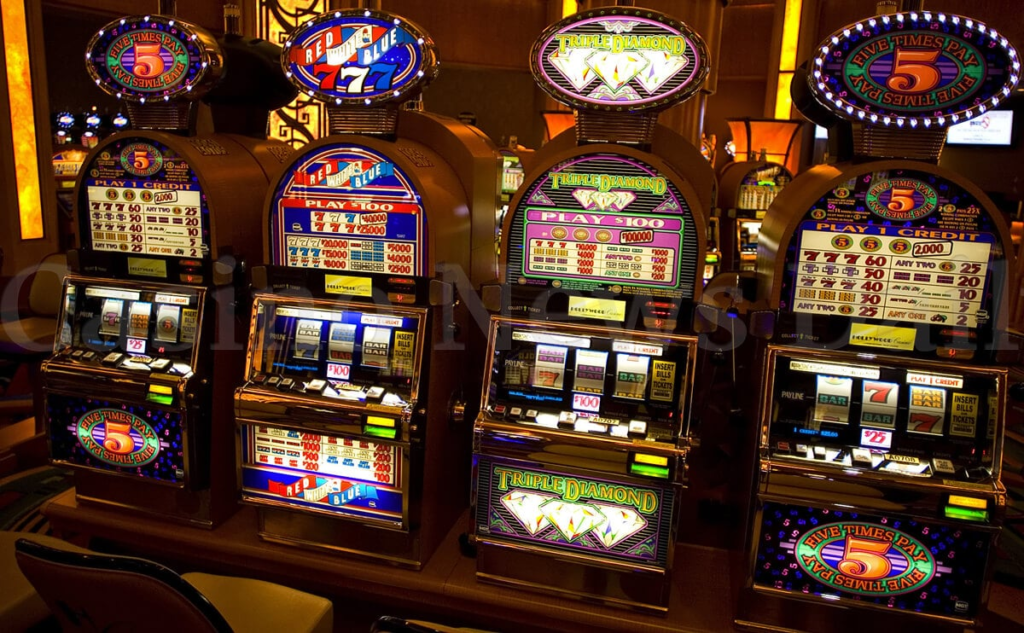
Introduction: Why Slot Myths Exist and Why They Matter
Slot machines are everywhere—casinos, mobile apps, online platforms—and they’re incredibly popular. They’re colorful, exciting, and easy to play. But with popularity comes misinformation. Over the years, countless myths have grown around slot machines, passed from player to player like whispered secrets on a casino floor. Some of these myths sound logical. Others feel comforting. A few even seem backed by “experience.” But here’s the truth: believing slot myths can cost you money, confidence, and enjoyment.
slot gacor minimal depo 10k myths exist because humans love patterns. We want control over outcomes, especially when money is involved. When someone wins big after switching machines or pressing the button a certain way, our brains immediately try to connect dots. Add a little superstition, some casino folklore, and suddenly myths feel like facts. The problem is, when players rely on these myths, they make poor decisions—chasing losses, overbetting, or believing a machine owes them something.
Understanding the real facts about slot machines doesn’t mean you’ll suddenly start winning every session. That’s not how slots work. But it does mean you’ll play smarter, enjoy the game more, and avoid common traps that drain your bankroll faster than expected. This guide breaks down slot myths and facts every player should know, separating fiction from reality in plain, simple language. No jargon. No hype. Just clarity.
If you’ve ever wondered whether a slot is “hot,” if max bets matter, or if casinos secretly control machines, you’re in the right place. Let’s clear the fog and get to the truth behind the spinning reels.
Understanding How Slot Machines Really Work
Before we tackle myths, we need to understand the foundation of slot machines. Most confusion comes from not knowing what’s happening behind the scenes. Slots may look simple on the surface, but internally, they run on complex systems designed for fairness and unpredictability.
Random Number Generators Explained
At the heart of every modern slot machine—online or land-based—is something called a Random Number Generator, or RNG. Think of the RNG as a super-fast digital dice roller. It continuously generates random numbers, thousands of times per second, even when no one is playing. The moment you press the spin button, the RNG locks in a number, which then corresponds to a specific reel outcome.
Here’s the key point: the result is decided before the reels even start spinning visually. The spinning animation is just for show. This means timing your spin, pressing the button harder, or waiting for a “good moment” has absolutely no impact on the result.
Are Slots Truly Random?
Yes, regulated slot machines are genuinely random. Licensed casinos must use certified RNG software tested by independent auditors. These auditors ensure that outcomes cannot be predicted or manipulated. Random does not mean “fair” in the short term, though. You could lose 20 spins in a row or win twice back-to-back. Randomness doesn’t owe anyone balance.
The Role of Software Providers
slot server thailand super gacor games are developed by software providers, not casinos themselves. Providers like NetEnt, Microgaming, Pragmatic Play, and others design the game mechanics, payout percentages, and volatility. Casinos cannot tweak individual machines to punish or reward specific players. Once a game is released, it behaves exactly the same everywhere it’s legally offered.
Understanding this foundation already wipes out many popular slot myths—and we’re just getting started.
Common Slot Myths That Mislead Players
Slot myths are stubborn. They stick around because they feel true, even when they’re not. Let’s break down some of the most common ones that continue to mislead players worldwide.
Myth: Slots Are “Due” for a Win
This is one of the most dangerous myths out there. The idea is simple: if a slot hasn’t paid out in a while, it must be due for a big win. Sounds logical, right? Unfortunately, it’s completely false.
Slots don’t have memory. They don’t know what happened five minutes ago or five days ago. Every spin is independent. A machine that hasn’t paid all day has the exact same chance of winning on the next spin as one that just paid out a jackpot. Believing a machine is “due” often leads players to chase losses, pouring money into a game expecting a turnaround that may never come.
Myth: Casinos Control Slots Remotely
Many players believe casinos can flip a switch to tighten or loosen slot payouts, especially during busy hours. This myth thrives on suspicion, but it doesn’t hold up.
In regulated casinos, altering slot payout behavior is illegal. Machines are sealed, monitored, and audited. Online slots are even more tightly controlled through licensing authorities. Casinos make money through volume and house edge, not by secretly sabotaging individual players.
Myth: Playing Longer Increases Your Chances
Time spent on a slot does not improve your odds. Playing longer simply means you’re placing more bets. While more spins increase exposure to potential wins, they also increase exposure to losses. The odds of winning on any single spin never change, no matter how long you play.
This myth often traps players into marathon sessions, believing persistence will eventually pay off. In reality, it usually just leads to a drained bankroll.
Facts About Slot Machines Every Player Should Know
Now that we’ve tackled some myths, let’s focus on facts—real, proven truths that every slot player should understand before placing a bet.
Fact: RNG Determines Every Spin
Every outcome is controlled by the RNG. Not the reels, not the symbols, not the time of day. Once you accept this fact, many superstitions instantly lose their power. There is no strategy to “outsmart” randomness.
Fact: Each Spin Is Independent
This fact cannot be overstated. What happened on the previous spin has zero influence on the next one. Wins don’t increase chances. Losses don’t improve odds. Each spin is a brand-new event.
Fact: RTP Is Long-Term, Not Short-Term
Return to Player (RTP) percentages are often misunderstood. If a slot has a 96% RTP, that doesn’t mean you’ll get $96 back for every $100 you spend in a session. RTP is calculated over millions of spins. In the short term, anything can happen—big wins, big losses, or long dry spells.
Understanding this fact helps manage expectations and prevents disappointment when reality doesn’t match assumptions.
Slot Payouts and Odds Explained
Understanding payouts and odds is essential if you want to stop relying on myths and start playing with clarity.
What Is RTP (Return to Player)?
RTP represents the theoretical percentage of wagered money a slot returns to players over time. For example:
| RTP Percentage | Expected Return Over Time |
| 94% | $94 per $100 wagered |
| 96% | $96 per $100 wagered |
| 98% | $98 per $100 wagered |
Higher RTP slots are generally better for players, but remember—it’s a long-term average, not a guarantee.
Understanding House Edge
House edge is the casino’s built-in advantage. If a slot has a 96% RTP, the house edge is 4%. That’s how casinos stay profitable without rigging games. It’s transparent, predictable, and legal.
High vs Low Volatility Slots
- Low volatility slots pay smaller wins more frequently.
- High volatility slots pay bigger wins, but less often.
Choosing volatility isn’t about increasing odds—it’s about matching your play style and bankroll.
Online Slots vs Land-Based Slots
This is where many players feel unsure. Are online slots fair? Do they pay more? Let’s clear it up.
Are Online Slots Fair?
Yes—if they’re licensed and regulated. Online slots use the same RNG principles as physical machines. In fact, online slots are often tested more frequently due to digital transparency.
Do Online Slots Pay More?
Generally, yes. Online casinos have lower operating costs, which often allows them to offer higher RTPs compared to land-based casinos. This doesn’t mean you’ll always win more, but the theoretical return is usually better.
Regulation and Licensing Differences
Always check for licensing from reputable authorities like:
- UK Gambling Commission
- Malta Gaming Authority
- Curacao eGaming
Licensed platforms must follow strict fairness standards.
Conclusion: Playing Smarter by Knowing the Facts
Slot machines aren’t mysterious villains or magical money printers. They’re entertainment products built on mathematics, randomness, and psychology. The myths surrounding slots often come from misunderstanding how they work—or from our natural desire to find patterns where none exist.
By understanding the slot myths and facts every player should know, you give yourself a powerful advantage—not over the machine, but over your own expectations. You’ll stop chasing losses, ignore superstitions, and play with a clearer mindset. And when you play with clarity, the experience becomes more enjoyable, more controlled, and far less stressful.
Slots should be fun. Once the myths are gone, that fun finally takes center stage.
FAQs
1. Can slot machines really be hot or cold?
No. Every spin is random and independent. “Hot” and “cold” machines are just perceptions, not facts.
2. Does max betting increase jackpot chances?
Only if the jackpot rules specifically require a max bet. Otherwise, it doesn’t change odds.
3. Are online slots safer than land-based slots?
Both are safe if properly licensed and regulated. Always check the casino’s credentials.
4. Can timing a spin affect results?
No. The RNG determines the outcome the moment you press spin.
5. Is it possible to make a living playing slots?
No. Slots are games of chance with a house edge. They’re meant for entertainment, not income.