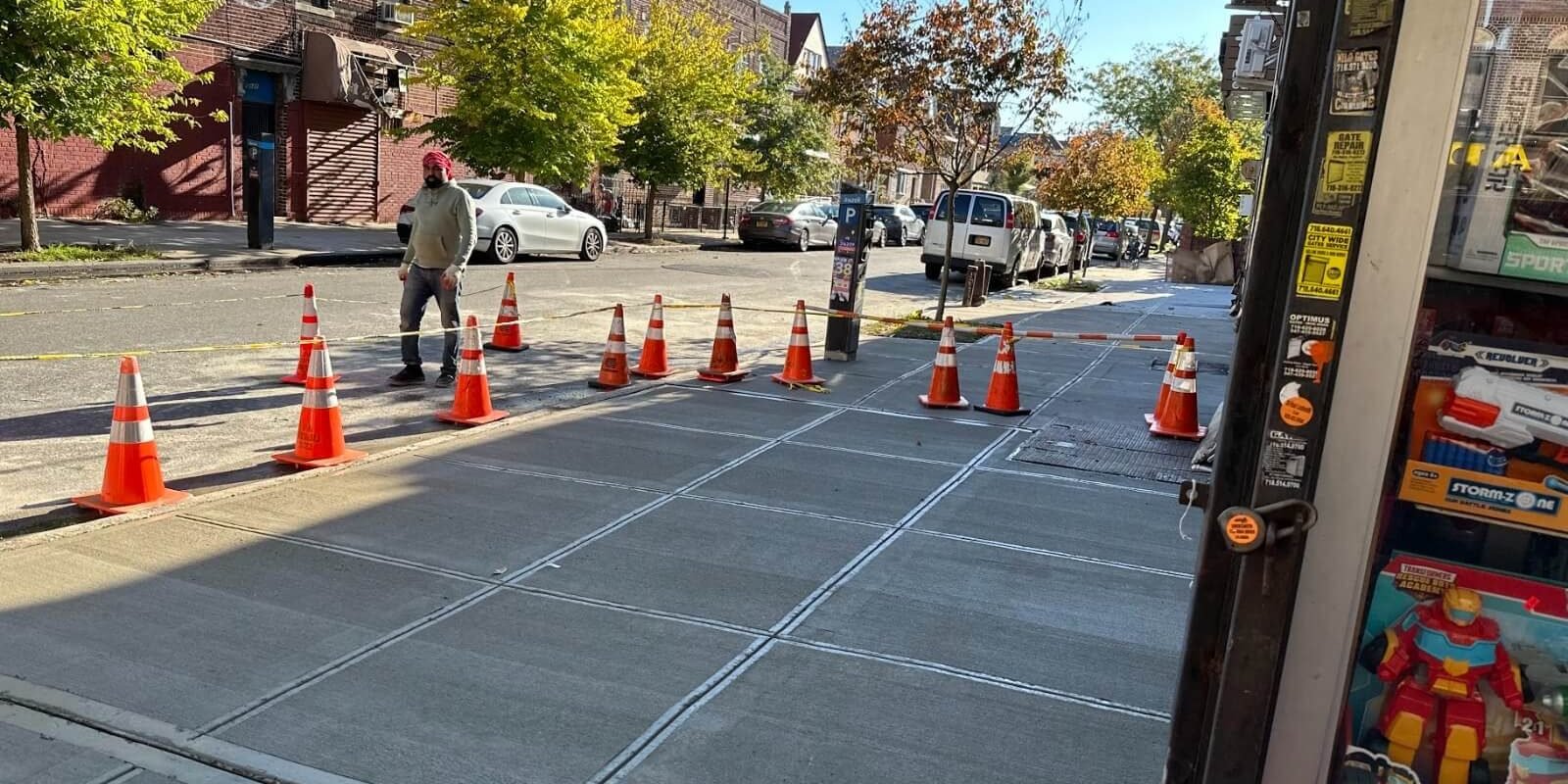
Winter in New York City is more than cold air and snow-covered streets. It is a season that quietly causes serious damage to sidewalks, leading to violations, fines, and costly repairs for property owners. Sidewalk Violation Removal in NYC becomes an important responsibility during and after winter because freezing temperatures, moisture, and repeated thaw cycles weaken concrete faster than most people expect. We address how winter impacts sidewalks, why violations increase during colder months, and how property owners can take practical action to stay compliant and avoid penalties.
Why Winter Is the Most Dangerous Season for NYC Sidewalks
New York City sidewalks endure extreme stress throughout winter. When water seeps into small cracks and pores in concrete, freezing temperatures cause that water to expand. This expansion widens cracks, loosens slabs, and destabilizes entire sidewalk sections. When temperatures rise again, the ice melts, leaving behind weakened concrete that is more vulnerable to the next freeze.
This freeze-thaw cycle repeats dozens of times each winter. Over time, even a sidewalk that appeared solid in the fall can become uneven, cracked, or sunken by early spring. These conditions are not cosmetic. They are precisely what city inspectors look for when issuing violations.
Understanding NYC Sidewalk Violation Rules
In New York City, property owners are legally responsible for maintaining sidewalks adjacent to their buildings. The Department of Transportation (DOT) conducts inspections year-round, but winter damage often becomes visible when snow melts and foot traffic increases.
Common violation triggers include:
- Cracks wider than half an inch
- Uneven sidewalk flags
- Missing or broken concrete sections
- Trip hazards caused by heaving slabs
- Improper drainage leading to pooling water
Once a violation is issued, property owners face strict deadlines to complete repairs. Failure to act can result in escalating fines and, in some cases, city-performed repairs billed at premium rates.
How Freeze-Thaw Cycles Accelerate Sidewalk Deterioration
Concrete is durable, but it is not immune to physics. Water expands by nearly 9% when it freezes. In sidewalks, this expansion applies pressure from within the concrete structure itself. Over time, this internal stress causes:
- Surface scaling and flaking
- Deep structural cracks
- Loss of concrete bonding
- Displacement of sidewalk slabs
In older neighborhoods, sidewalks may already be decades old. Winter conditions simply accelerate existing weaknesses, turning minor wear into violation-level damage in a single season.
Snow Removal and De-Icing: Hidden Sidewalk Risks
While snow removal is mandatory, improper techniques often cause additional harm. Metal shovels, aggressive scraping, and repeated use of harsh de-icing chemicals can break down concrete surfaces. Salt-based de-icers penetrate cracks and pores, lowering the freezing point of water. This creates more frequent freeze-thaw cycles inside the concrete, intensifying damage. Over time, sidewalks lose surface integrity and become brittle, increasing the likelihood of violations.
We encourage property owners to view snow removal as a preventive maintenance task, not just a legal obligation.
Why Sidewalk Violations Spike After Winter Ends
Many property owners are surprised to receive violations in late winter or early spring. This timing is not accidental. As the snow melts, inspectors can clearly see damage that was hidden for months.
Spring inspections often reveal:
- Sunken slabs caused by frost heave
- Widened cracks previously filled with ice
- Loose concrete edges
- Erosion beneath sidewalk flags
These conditions create safety hazards for pedestrians, which is why enforcement intensifies as foot traffic increases with warmer weather.
Financial Impact of Ignoring Sidewalk Repairs
Ignoring sidewalk damage does not save money. It increases risk. Once a violation is issued, property owners must act quickly. If repairs are delayed, fines accumulate, and the city may step in to complete the work at a higher cost. Beyond fines, liability exposure is a major concern. Uneven sidewalks are a leading cause of slip-and-fall claims. Lawsuits related to sidewalk injuries often result in settlements far exceeding the cost of timely repairs.
Proactive maintenance is always more cost-effective than reactive compliance.
Choosing the Right Approach to Sidewalk Repair
Not all sidewalk repairs are equal. Some cracks may require localized patching, while others demand full slab replacement to meet DOT standards. Temporary fixes rarely pass inspection and often fail within a single winter cycle.
Professional sidewalk repair focuses on:
- Proper concrete grading
- Long-term structural stability
- Compliance with NYC DOT specifications
- Durability against future freeze-thaw damage
Working with experienced specialists ensures repairs are completed the first time correctly.
Why Professional Sidewalk Repair Matters in NYC
NYC sidewalk regulations are specific, and inspections are unforgiving. Repairs must meet exact standards for slope, alignment, and surface finish. Non-compliant work can lead to re-violations, even after significant investment.
We recommend partnering with professionals who understand city requirements and seasonal challenges. A trusted resource such as Brick Tech NYC provides expert sidewalk repair services designed to withstand New York’s harsh winters. Their work emphasizes durability, compliance, and long-term value, helping property owners resolve violations efficiently.
Preventive Maintenance Strategies That Reduce Winter Damage
Prevention is the most effective strategy for avoiding winter-related violations. Simple actions taken before and during winter can significantly reduce damage.
Effective preventive measures include:
- Sealing small cracks before freezing temperatures arrive
- Ensuring proper drainage away from sidewalks
- Using concrete-safe de-icing products
- Avoiding heavy equipment on sidewalks
- Scheduling annual sidewalk inspections
These steps help extend sidewalk lifespan and reduce the likelihood of costly repairs after winter ends.
Spring Is the Best Time to Address Sidewalk Issues
Once winter damage is visible, immediate action is important. Spring offers ideal conditions for concrete repair, allowing materials to cure properly and inspectors to approve work without weather-related delays.
Property owners who act early benefit from:
- Lower repair costs
- Faster compliance
- Reduced liability exposure
- Improved curb appeal
Waiting until violations are issued removes flexibility and increases pressure to complete repairs quickly.
Sidewalk Safety Is a Shared Responsibility
Safe sidewalks protect everyone. Pedestrians, businesses, and property owners all benefit from well-maintained walkways. Winter damage may be unavoidable, but neglect is not. We believe proactive sidewalk care is an essential part of responsible property ownership in New York City. Addressing freeze-thaw damage early prevents violations, reduces risk, and maintains compliance with city regulations.
Final Thoughts
Winter is the silent force behind many NYC sidewalk violations. Freeze-thaw cycles, improper snow removal, and delayed maintenance combine to create hazardous conditions that inspectors cannot ignore. Understanding how winter impacts concrete empowers property owners to act decisively.
We emphasize early inspections, professional repairs, and preventive strategies as the most effective way to manage sidewalk responsibilities. By addressing issues promptly and working with experienced professionals, property owners can navigate winter damage confidently and avoid unnecessary fines.