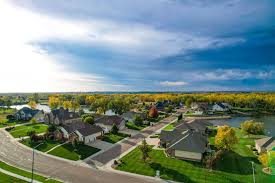
Rural America has long been synonymous with affordable living, open spaces, and a slower pace of life. For generations, people have sought out the countryside as a refuge from the high costs and congestion of cities. But in recent years, the equation has begun to shift. Rising housing prices, infrastructure challenges, and inflation are reshaping what it means to live affordably in small towns and rural areas. As families adjust to these changes, tools like debt settlement plans and smart budgeting strategies are becoming essential for maintaining financial balance.
The New Rural Reality
It used to be that rural living came with predictable trade-offs: fewer job opportunities, but lower living costs. That dynamic is evolving quickly. The influx of remote workers, retirees, and people seeking a quieter life since 2020 has increased demand for housing and strained local resources. States like Idaho, Montana, and Tennessee have seen population growth that would have been unthinkable just a decade ago.
This migration has pushed up housing prices and rent, even in areas once known for their affordability. According to the U.S. Department of Agriculture’s Economic Research Service, rural home values have risen sharply since the pandemic, outpacing income growth in many areas. While this is good news for property owners, it’s challenging for renters and first-time buyers who once looked to rural markets for relief from urban costs.
Inflation’s Ripple Effect
Inflation doesn’t stop at city limits. Gas prices, groceries, and utilities have risen everywhere, but rural residents often feel the impact more acutely. Longer commutes, limited shopping options, and higher shipping costs add up quickly. A trip to the grocery store or the nearest hardware shop may mean driving 30 or 40 miles—adding time and expense to basic errands.
Even though wages have increased in some sectors, they haven’t kept pace with the cost of living. Many residents who moved to rural communities for cheaper lifestyles now find themselves dipping into savings or relying on credit to make ends meet. In such situations, debt management strategies and structured programs can provide a safety net by helping reduce what’s owed and simplify payments.
The Housing Crunch Reaches the Countryside
One of the most surprising shifts in recent years is how rural housing markets have tightened. Towns that once had an abundance of affordable homes now struggle with shortages. Builders are facing supply chain delays, higher material costs, and labor shortages, all of which make new construction more expensive.
In Idaho, for instance, what was once a haven for affordable living has become a microcosm of broader national challenges. The combination of population growth, limited housing stock, and construction bottlenecks has led to rapidly rising home values. These pressures have forced many residents to rent for longer or take on additional debt to cover higher costs—making financial support programs, such as Idaho debt relief options, increasingly relevant.
Balancing Rural Values With Modern Pressures
Despite the financial challenges, rural communities remain deeply rooted in values of resilience, self-sufficiency, and connection. Families grow their own food, trade services, and rely on neighbors in ways that urban dwellers often can’t. But those traditional strengths are being tested by the cost of modernization.
Broadband internet, for example, has become essential for education, healthcare, and remote work—but expanding it to rural regions requires significant investment. While government initiatives have begun to bridge the gap, progress is uneven. The Federal Communications Commission (FCC) continues to report large disparities in broadband access, especially in mountainous and sparsely populated areas. Without reliable internet, many rural residents miss out on economic and educational opportunities that could improve their financial standing.
Transportation and Energy: The Hidden Costs
Transportation is another area where costs are rising faster than incomes. Rural residents typically own more vehicles per household, given the lack of public transit options. Fuel, insurance, and maintenance expenses are climbing, especially for older vehicles that are costly to repair. Additionally, energy costs—from heating oil to electricity—tend to be higher in remote areas where infrastructure is less efficient.
These factors combine to erode the savings many expected to enjoy from rural living. And while local economies benefit from some of this increased spending, the overall effect on individual budgets can be significant.
Adapting to Financial Challenges
To manage these new pressures, rural residents are finding creative solutions. Some are sharing resources—like carpooling or community bulk buying—to reduce expenses. Others are investing in home efficiency upgrades to cut long-term utility costs. Financial education and local assistance programs are also gaining traction as communities look for sustainable ways to stay ahead.
At the individual level, prioritizing debt management and building emergency savings remain critical. For those struggling with high-interest credit card balances or personal loans, structured programs such as debt settlement plans can help lower total debt while freeing up monthly cash flow for essentials. Seeking help early allows individuals to protect both their credit and peace of mind.
Maintaining the Rural Lifestyle You Love
Ultimately, living well in rural America today is about balance—holding onto the traditions and benefits that make rural life appealing while adapting to modern financial realities. That might mean embracing side income opportunities through remote work, growing more of your own food, or making smarter energy choices.
It also means staying informed about financial resources and government programs that can ease the strain. From local housing assistance to national initiatives aimed at improving infrastructure, taking advantage of available support can make rural living sustainable and rewarding for the long term.
Looking Ahead
The appeal of rural life remains strong, but the economics behind it are evolving. Communities are learning to navigate growth and cost pressures in ways that preserve what makes them unique. Rising costs may be unavoidable, but how residents respond—through collaboration, innovation, and financial awareness—will determine whether rural living remains both affordable and fulfilling.
By approaching money management with foresight and flexibility, rural families can continue enjoying the peace, space, and sense of community that define life beyond the city limits—without being overwhelmed by the growing financial demands of the modern world.