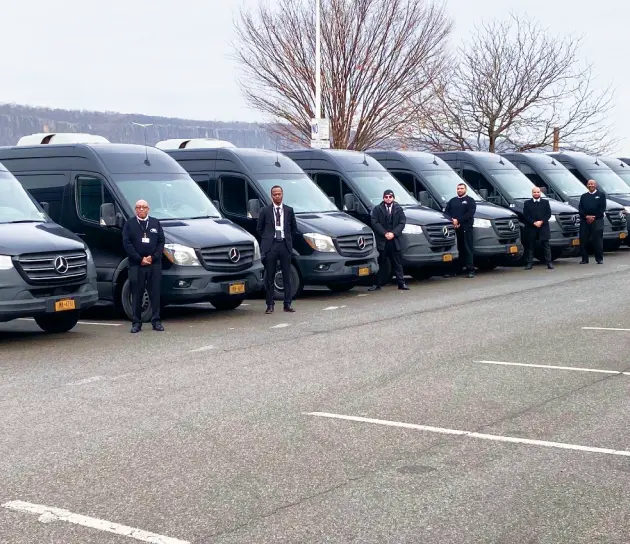
Efficient mobility of employees has become crucial for any business seeking consistent output, on-time attendance, and minimum operational drag. In addition, modern shuttle programs now integrate technology, strategic planning, and worker-centric design. The following five solutions illustrate how organizations can streamline transport at the same time as supporting a productive and motivated workforce.
Dynamic Route Optimization for Peak Productivity
Conventional fixed-route shuttles often result in idle seats or frustrating delays if the pattern of traffic changes. Dynamic route optimization addresses this with real-time data analysis to adjust pickup points, journey times, and vehicle allocation. AI-enabled routing tools consider congestion, attendance forecast, and vehicle capacity. This results in consistent arrival times and faster journeys, improving morale since employees do not experience the frustration associated with an unreliable commute. The operations teams are agile in scaling the services quickly during seasonal fluctuations or large projects. Teams collaborate with ease and are able to perform tasks with focused attention when staff members arrive at work fresh instead of rushed.
Free and Dependable Transport That Supports Every Worker
Providing free, dependable transport creates instant value for workers, in particular for those living outside the quick reach of working centers or who don’t have personal vehicles. It removes potential stress from fuel, parking, or complicated multi-stage commutes. Dependable shuttles reduce late arrivals and absenteeism, making staffing patterns more predictable for managers. When companies invest in reliable employee shuttle services that ease daily travel burdens, employees gain consistent mobility without added expense. This incentive also strengthens talent retention, as workers view transport benefits as a tangible sign of organizational commitment. A strong shuttle network puts teams on site on time, energetic, and ready to offer consistent performance.
Technology-Driven Safety and Fleet Monitoring
Safety remains the core of any shuttle program. Newer fleet platforms incorporate telematics for tracking vehicle performance and driving behavior, flagging maintenance needs. Sensors detect instances of harsh braking, speeding, or mechanical issues to enable rapid corrective action. Automated logs ease compliance reporting and help fleet managers plan preventive service before breakdowns interfere with schedules. Most systems include camera-supported incident verification for protecting drivers and passengers by ensuring clarity on what transpired in unexpected events. Mobile apps may push safety notifications or route updates to riders to reduce confusion in emergency situations or weather changes. A safer commute helps build confidence and reduces risks that could affect productivity. Enhanced visibility across shuttle operations strengthens organizational confidence in daily transport reliability.
Data-Backed Demand Forecasting for Seamless Operations
Demand forecasting turns scattered patterns of commutes into predictable models. Attendance trends, shift changes, and seasonal cycles create data that explains where and when vehicles are needed. A company could introduce high-capacity shuttles at peak times and then switch to smaller units during lighter hours. This prevents overcrowding and eliminates unnecessary fuel consumption. The tools also highlight neighborhoods with growing clusters of employees in order to guide expansion or partnerships with local mobility providers. Precise demand insights create a well-balanced network that keeps staff members at any single moment without gaps in services. Smooth, consistent movement from home to the workplace raises efficiency throughout the organization. These insights allow managers to set accurate service levels that support consistent operational flow.
Integrated Mobility Platforms for Seamless Management
With integrated platforms, scheduling, communication, rider feedback, and reporting come together in one dashboard. Managers see ridership metrics, costs, and route performance with clarity. Employees can book a seat, track the location of the vehicle, or get wait-time alerts on their phones to reduce confusion. Central control means streamlined coordination when multiple sites operate large shuttle fleets. The integration of these also unlocks partnerships with micro-mobility operators for smoother door-to-door journeys, from e-bike stations to last-mile vans. These streamlined tools support the pace of decision-making and strengthen alignment among HR, operations, and transport teams.
With smart shuttle solutions, companies can create efficient and reliable mobility systems for workers and management alike. Optimization of routes, free transport options, enhancements in safety, robust forecasting, and unified digital platforms contribute to making the commute smoother and the workforce more productive. Employees who begin each day with a reliable travel experience bring better engagement and a clearer focus to the job.