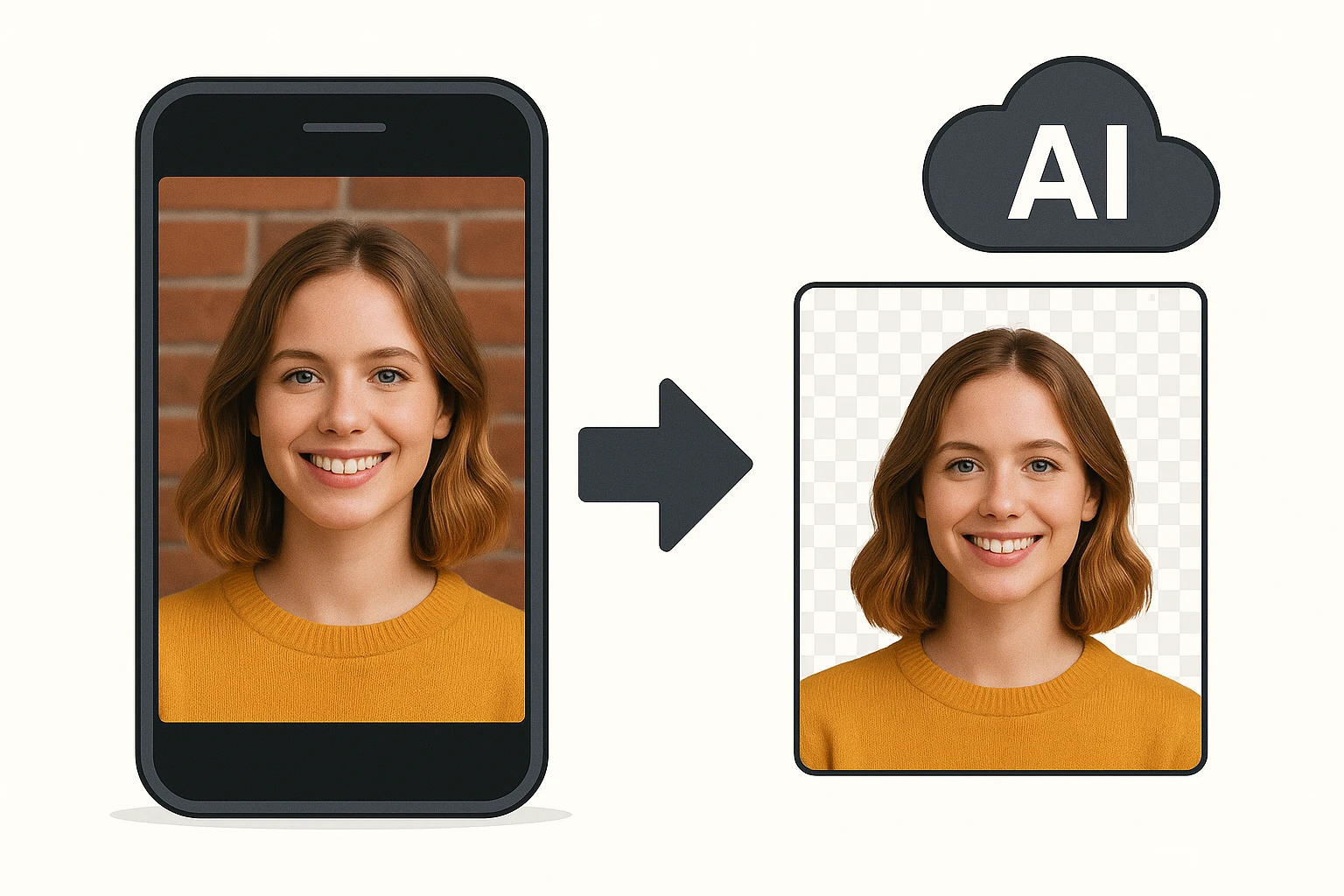
What the AI Actually Sees When You Upload a Photo
Drop a picture of someone standing against a cluttered bookshelf and the model doesn’t see “person” and “books” the way we do. It chops the image into tiny patches and gives every single one a score: is this pixel more likely to belong to the main subject or to whatever is behind it. Hair that blends into a dark shelf might get 0.65, a solid-colored shirt 0.99, empty wall almost 0.00. Those numbers become a grayscale matte—pure white for keep, black for discard, everything in between turns into soft semi-transparent edges. That matte is the real magic behind every crisp cutout you’ve ever downloaded. Spend a minute staring at the matte preview (some tools let you download it separately) and you’ll start seeing photos completely differently—like looking at an X-ray of the picture.
Why Fine Details Like Hair and Fur Finally Look Right
Not long ago, anything with wispy edges was a nightmare. Wedding veils disappeared, dog fur turned into cotton candy, glass bottles left weird glowing borders. The difference now comes from training data that specifically includes the hard stuff: models tossing their hair against tree branches at sunset, fluffy cats in front of striped curtains, earrings over busy patterns. Millions of those tricky examples teach the network how light passes through semi-transparent areas and where one object partially hides another. I tried a portrait shot through a rainy window the other day. The AI figured out which droplets sat on the glass in front of the face and which were background rain on the street. Older tools just smeared everything together. These days even smoke, steam from a coffee cup, or sheer curtains come out usable on the first try.
How the Whole Thing Happens Under the Hood
You hit upload and the model runs two or three passes. The first is quick and rough—it grabs the obvious subject. The second pass zooms on the borders and refines that matte pixel by pixel. A third, lighter network sometimes cleans up color spill: the green glow you get from a cheap green screen or blue bounce from a bright sky. When I used https://phototune.ai/remove-background yesterday on a phone snapshot of my kid holding a dandelion, the checkerboard preview showed up almost instantly and the fluff around each seed looked exactly like it did in real life. The system even kept the tiny shadows the seeds cast on each other, something that used to vanish completely with older methods.
Everyday Examples That Used to Take Hours
A friend who sells ceramics on Etsy used to spend Sunday evenings cloning out her kitchen table from every new mug photo. Now she drags the pictures from her phone, removes the background while the kettle boils, and the listings go live with perfect white backdrops and natural shadows still intact. A local band got press photos against a brick wall because the light was perfect that afternoon. Ten minutes later the five members floated cleanly on the festival poster gradient—no one waiting two weeks for manual masking.
I also help a small sticker shop owner. She photographs acrylic keychains on a lightbox. The plastic is semi-transparent, there are reflections inside the ring area, and older methods either ate the edges or left milky halos. Current AI understands the empty center has to stay fully transparent while the faint glow on the acrylic edge stays put. Her printer never has to fix anything anymore. Same story with a baker I know who shoots layered cakes against her colorful tiled wall—frosting edges and sugar sprinkles stay sharp while the tiles disappear completely.
Even macro shots surprise me now. Last weekend I tried a close-up of a spiderweb covered in morning dew. Hundreds of tiny threads and water droplets against blurred grass. I honestly expected a mess. Instead I got a perfect floating web with every droplet intact and zero trace of the background. A different day I grabbed a quick shot of my daughter blowing bubbles in the park—each bubble with its rainbow sheen perfectly preserved against nothing. Ten years ago that one image would have cost an hour of careful brushing. These days the question isn’t whether it will work—it’s how we ever managed without it.