In an age where market volatility is frequently the subject of financial headlines, security and stability become key concerns for investors. Whether planning for retirement or seeking to preserve capital, many have turned to fixed income investments as a cornerstone of their financial strategy. Understanding the benefits of fixed income investments is crucial for those who desire a well-rounded and secure investment portfolio.
What are Fixed Income Investments?
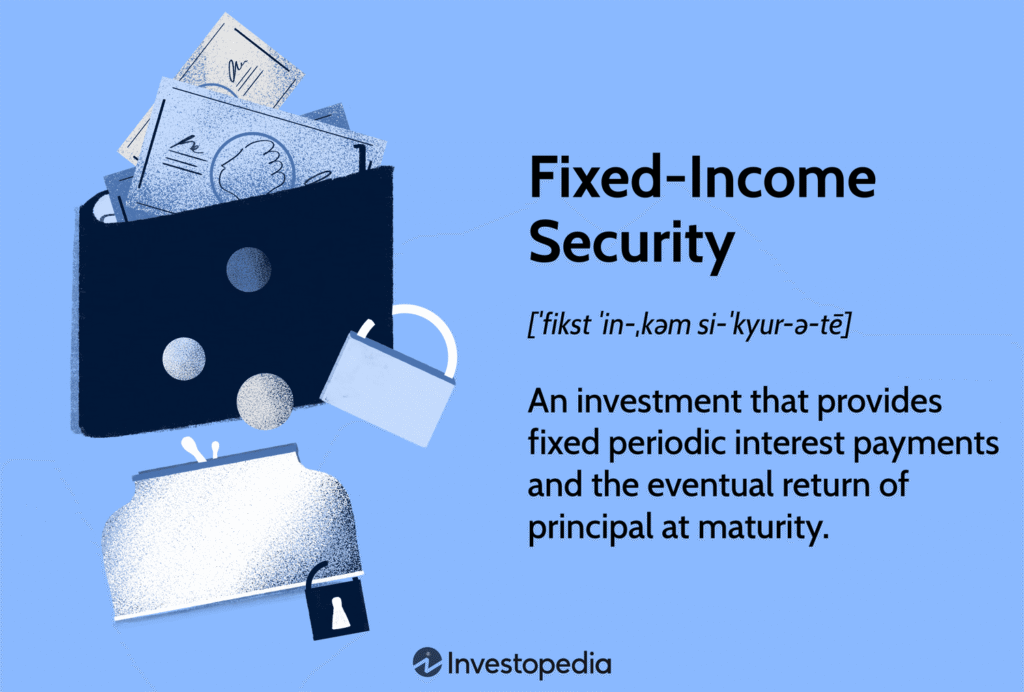
Fixed income investments are typically securities that provide a regular, fixed amount of interest income over time and include the return of principal at maturity. Bonds, treasuries, and certain types of annuities are common examples. They can serve as an antidote to the higher risk of equities while offering more predictable returns. But why are fixed income investments such a vital component of investment stability?
Reliable Income Streams
The primary advantage of fixed income investments is their ability to provide steady income streams. As the name implies, these investments yield regular payments that are known in advance, granting investors greater certainty about their income. This can be particularly valuable for retirees who require a consistent inflow of cash to meet living expenses without the need to liquidate other investments.
Lower Volatility
Compared to stocks and other equity investments, fixed income investments are generally less volatile. The fixed nature of the interest payments and the typically lower risk associated with these securities make them an appealing choice for conservative investors. In turbulent markets, fixed income can provide a cushion against the downside and reduce the overall volatility of an investment portfolio.
Diversification Benefits
Diversifying one’s portfolio is a foundational principle of investing to manage risk. Fixed income investments can be an excellent way to achieve this diversification. By incorporating them alongside equities and other asset classes, investors can create a balanced portfolio that is less susceptible to market swings in any one area.
Capital Preservation
For investors who prioritise the protection of their principal, fixed income investments are a sound choice. They are often touted for their defensive characteristics, offering a safer haven than volatile markets. Yet, it is essential to note that while they can be lower risk, they are not entirely risk-free. Issues such as credit risk, where the issuer cannot make payments, and interest rate risk, where changing rates affect bond prices, can still factor into fixed income investing.
Predictability for Planning
Knowing in advance how much income your investments will generate aids in financial planning. Individuals approaching retirement, or those who have specific financial goals, find fixed income investments attractive due to their predictable nature. This predictability allows for better budgeting and financial foresight, which is less attainable with assets whose values can fluctuate widely.
Hedging Against Inflation
Although not all fixed income investments are equal in this regard, some such as inflation-linked bonds can help to hedge against inflation. These particular instruments adjust their payments based on inflation rates, thereby maintaining the purchasing power of the income received from these investments over time.
Tailoring to Investment Horizons
Fixed income securities are available in a range of maturities, from short-term instruments to those that mature over several decades. This allows investors to match their investment horizons to their financial needs, whether they are looking for immediate income or long-term security.
Considerations Before Investing
While there is always risk in any form of investing, understanding your risk tolerance and investment objectives is key before integrating fixed income investments into your portfolio. Further considerations such as the creditworthiness of the issuer, liquidity needs, and tax implications should also be assessed to ensure that fixed income securities align with your overall strategy.
The Role of Professional Advice
Seeking professional advice is always wise when deliberating over financial decisions. Financial advisors can provide tailored guidance on incorporating fixed income investments into your portfolio to suit your personal circumstances and financial goals.
Conclusion
In conclusion, fixed income investments offer an array of benefits, including reliable income streams, capital preservation, lower volatility, diversification, and more. They can form the bedrock of a conservative investment strategy, ensuring that your financial foundations are secure as you plan for the future. While fixed income investments may not suit all investors, they provide an essential option for those who value stability and predictability in their financial affairs.
For those who are inclined to fortify their future with a dependable income source, exploring the potential of fixed income investments could be a beneficial step. Undoubtedly, part of securing a stable financial future is making informed decisions, and fixed income investments should be considered in the context of a well-thought-out investment plan.