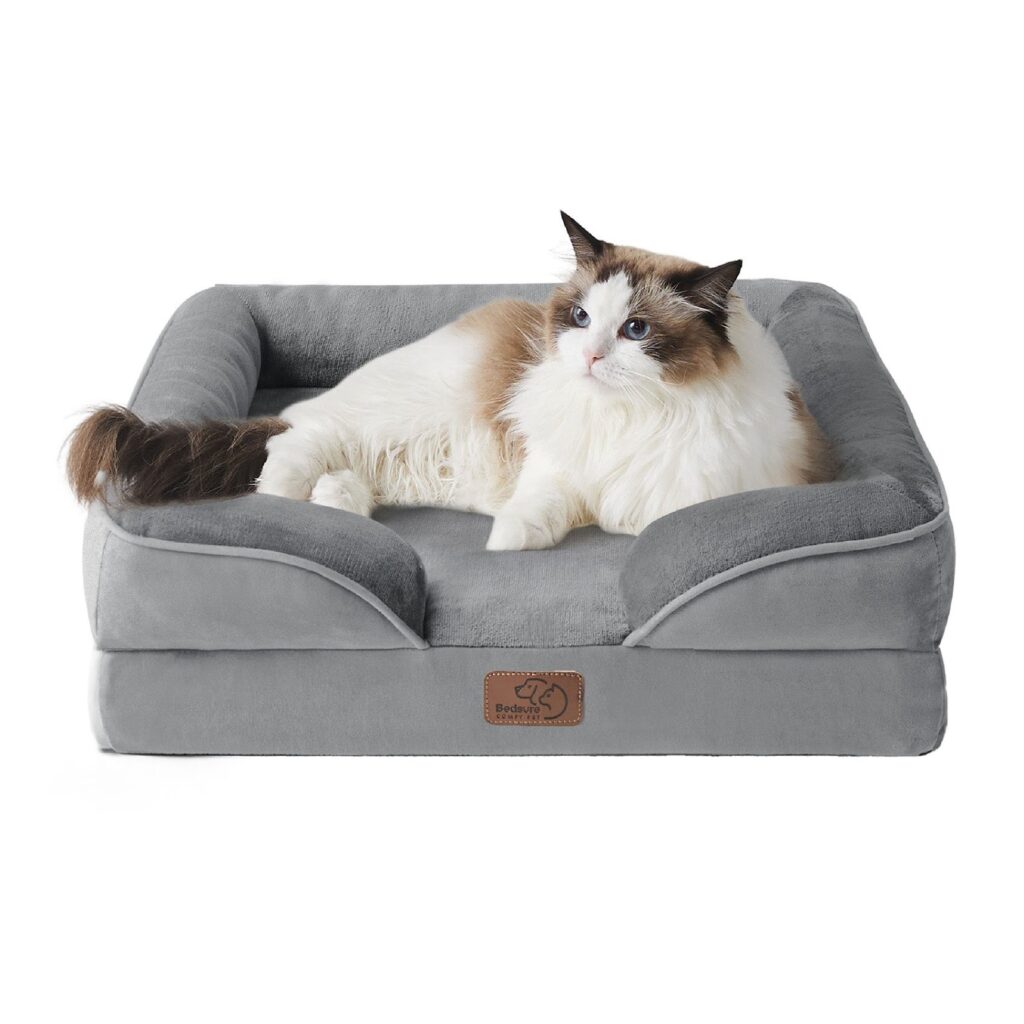
Every dog deserves a comfortable place to rest, yet choosing the right bedding involves balancing two seemingly opposing qualities: plush softness and lasting durability. While a cloud-like bed might seem perfect for your furry companion, it won’t serve well if it falls apart within weeks. Conversely, an indestructible bed that feels like concrete defeats the purpose of providing comfort. This challenge becomes even more complex when considering factors like your dog’s size, age, sleeping habits, and any special health needs.
The pet bedding market offers countless options, from memory foam orthopedic beds to simple cushioned mats, each claiming to be the ultimate solution. Understanding what actually matters for your dog’s wellbeing, rather than falling for marketing hype, makes all the difference. This guide cuts through the confusion by examining the essential characteristics of quality dog bedding, helping you make an informed decision that keeps both your pet happy and your wallet satisfied. Whether you have a gentle senior dog or an energetic chewer, finding the right balance between comfort and resilience is entirely achievable.
Introduction to Dog Bedding
Dog bedding serves as far more than just a designated sleeping spot—it’s a fundamental component of your pet’s physical and mental wellbeing. Quality bedding provides essential joint support, particularly for older dogs or breeds prone to hip dysplasia and arthritis. During sleep, which dogs require between 12 to 14 hours daily, proper cushioning reduces pressure points and promotes restorative rest that’s crucial for immune function and overall health.
Beyond physical benefits, having a dedicated bed creates a sense of security and territory for your dog. This personal space becomes their retreat when they need downtime, helping reduce anxiety and stress. Dogs naturally seek comfortable surfaces, and without appropriate bedding, they may claim your furniture or develop discomfort from sleeping on hard floors. The right bed also helps regulate body temperature, keeping dogs warm in winter while quality materials allow breathability during warmer months. For puppies, establishing a bed early creates positive sleep associations and aids house training. Investing in proper bedding isn’t an indulgence—it’s a practical decision that impacts your dog’s quality of life, potentially preventing costly health issues while giving them the comfort they instinctively seek.
Understanding Pet Bedding Materials
The material composition of dog bedding directly influences both comfort and longevity, making it the foundation of any purchasing decision. Memory foam stands as one of the most popular choices, conforming to your dog’s body shape while providing excellent joint support. High-density memory foam maintains its structure longer than cheaper alternatives, though it typically comes at a higher price point. Orthopedic foam blends combine memory foam with supportive base layers, offering therapeutic benefits for dogs with mobility issues while resisting the sagging that plagues single-layer beds.
Polyester fiberfill represents the budget-friendly option found in most basic dog beds. While soft initially, it compresses quickly under regular use and offers minimal support for larger dogs. However, fiberfill beds work well for small breeds or as secondary resting spots. Cedar-filled beds provide natural odor control and may repel fleas, though some dogs find the scent overwhelming and the firmness uncomfortable. Gel-infused foams have gained popularity for their cooling properties, particularly beneficial for thick-coated breeds or dogs in warmer climates, though they generally cost more than standard memory foam.
The outer fabric matters equally to the internal filling. Heavy-duty canvas and ballistic nylon withstand scratching and digging behaviors far better than standard polyester covers, making them essential for destructive chewers. Microfiber and fleece covers offer superior softness and warmth but may pill or tear more easily. Waterproof liners beneath removable covers protect the foam from accidents, extending the bed’s lifespan significantly. Ultimately, the best material combination depends on matching your dog’s specific behaviors and needs with realistic expectations about maintenance and replacement cycles.
Benefits of Soft Bedding for Dogs
Soft bedding directly impacts sleep quality by allowing dogs to fully relax their muscles and joints during rest periods. When dogs settle into plush surfaces, their bodies can achieve deeper sleep cycles, which are essential for cellular repair, memory consolidation, and emotional regulation. This becomes particularly important for anxious or rescue dogs who struggle with feeling secure—the enveloping sensation of soft bedding mimics the comfort of sleeping alongside littermates, promoting calmness and reducing stress-related behaviors like excessive licking or pacing.
For senior dogs and those with arthritis or joint conditions, soft bedding provides crucial pressure relief that hard surfaces cannot offer. The cushioning distributes body weight evenly, preventing painful pressure sores that can develop on bony prominences like elbows and hips. Dogs recovering from surgery or injury benefit immensely from soft bedding that cradles their bodies without requiring constant position adjustments throughout the night. Even healthy adult dogs experience improved circulation when sleeping on appropriately soft surfaces, as restricted blood flow from hard floors can lead to numbness and discomfort.
Temperature regulation represents another significant advantage of quality soft bedding. Plush materials trap body heat effectively during cold weather, eliminating the need for dogs to curl into tight, uncomfortable positions to stay warm. This natural insulation helps maintain optimal body temperature throughout sleep, contributing to uninterrupted rest. The psychological benefits extend to daytime behavior as well—dogs with comfortable beds are more likely to settle calmly during quiet hours rather than seeking attention or engaging in destructive activities born from restlessness and discomfort.
Durability of Pet Beds
Durability determines whether a dog bed remains functional for years or becomes a recurring expense within months. The construction quality—from reinforced stitching to multi-layered materials—directly impacts how well bedding withstands daily wear from scratching, digging, and the constant pressure of your dog’s weight. Dogs instinctively circle and paw at their sleeping surfaces before settling, behaviors that quickly deteriorate poorly constructed beds. Heavy-duty thread, double or triple-stitched seams, and reinforced corners resist tearing far better than standard construction methods, making them essential features for any dog over twenty pounds or those with energetic personalities.
The foam core’s density plays an equally critical role in longevity. High-density foam maintains its supportive structure through thousands of compression cycles, while low-quality foam develops permanent indentations within weeks, essentially turning into an expensive floor mat. This density difference explains why premium beds often cost three times more than budget options yet last five times longer, ultimately proving more economical. Waterproof inner liners prevent moisture damage from accidents or drool, protecting the foam from breakdown and bacterial growth that ruins beds from the inside out.
Chew-resistant fabrics like ballistic nylon or ripstop canvas are non-negotiable for dogs with destructive tendencies, as even the most comfortable bed becomes worthless once torn apart. Removable, machine-washable covers extend bed life by allowing regular cleaning without compromising the foam core. Investing in durable bedding means fewer replacements, less waste, and consistent comfort for your dog rather than the declining support that comes with deteriorating materials. The initial cost difference between durable and flimsy beds typically pays for itself within the first year through eliminated replacement purchases.
Choosing the Right Bedding
Selecting appropriate bedding requires evaluating your dog’s specific characteristics rather than simply choosing the most expensive or popular option. Start by assessing your dog’s size and weight, as larger breeds need thicker, higher-density foam to prevent bottoming out, while small dogs can comfortably use thinner cushioning. Age plays a crucial role—puppies benefit from washable, affordable beds they’ll outgrow, whereas senior dogs require orthopedic support that justifies premium investment. Observe your dog’s sleeping position: dogs who stretch out need rectangular beds with ample length, while those who curl up prefer bolstered or round designs that provide nestling security.
Consider behavioral factors like chewing tendencies, digging habits, and accident frequency when evaluating durability needs. Dogs with destructive behaviors require chew-resistant fabrics and reinforced construction, even if it means sacrificing some plushness. Climate matters significantly—cooling gel beds suit warm environments and heavy-coated breeds, while insulated materials benefit thin-coated dogs in colder regions. Finally, match the bed location to its features: outdoor or garage beds need weather-resistant, easy-clean materials, while indoor bedroom beds can prioritize aesthetics and supreme comfort without compromising on washability.
Budget-Friendly Options
Affordable dog bedding doesn’t require sacrificing quality when you know where to focus your investment. Simple fleece blankets or cushioned mats provide adequate comfort for small dogs and puppies at a fraction of premium bed costs, while still offering machine-washable convenience. These basic options work particularly well as secondary beds for multiple rooms, allowing your dog comfortable resting spots throughout your home without significant expense. DIY solutions using old blankets or towels layered inside a washable cover create serviceable bedding for dogs who destroy expensive beds, letting you provide comfort without financial stress.
Timing purchases around sales events can yield substantial savings on quality beds, with many retailers offering significant discounts during seasonal clearances. Generic or store-brand orthopedic beds often use similar foam densities as premium brands but skip costly marketing and fancy covers, delivering comparable support at lower prices. For budget-conscious owners with destructive dogs, investing in a durable cover separately and pairing it with affordable foam inserts allows you to replace damaged components without discarding the entire bed. Community marketplaces sometimes offer gently used premium beds at deep discounts from owners whose dogs didn’t adapt to them. The key is prioritizing essential features—adequate cushioning and washability—over aesthetic details, ensuring your dog receives necessary comfort while keeping expenses manageable for your household budget.
Reviews and Ratings
Customer reviews consistently highlight specific factors that separate exceptional dog beds from disappointing purchases. High-rated beds typically earn praise for maintaining their shape beyond the first year, with owners noting that quality foam doesn’t develop permanent body impressions even after daily use. The most valued feature across reviews is removable, machine-washable covers that withstand repeated cleaning without fading or shrinking, as this directly impacts hygiene and long-term usability. Negative reviews frequently cite zipper failures, inadequate cushioning for the dog’s weight, and covers that tear within weeks as primary disappointments.
Beds designed for specific needs—orthopedic options for senior dogs or chew-resistant models for destructive breeds—receive higher satisfaction ratings when they deliver on their specialized promises. Owners of large breeds emphasize the importance of accurate sizing, noting that beds appearing spacious in photos often prove too small in reality. Temperature regulation features generate mixed feedback, with cooling beds praised by owners in warm climates but criticized by those in moderate temperatures where dogs seek warmth. The consensus across thousands of reviews suggests that mid-to-premium priced beds from established pet brands offer the best balance of comfort, durability, and value, while extremely cheap options rarely satisfy beyond a few months and ultra-premium beds don’t always justify their cost premium.
How to Choose the Best Bedding for Your Dog
Begin by measuring your dog from nose to tail while they’re stretched out, then add 8-12 inches to determine minimum bed dimensions—this ensures they won’t hang off the edges or feel cramped. Weigh your dog accurately and cross-reference this with manufacturer weight recommendations, as foam density requirements increase significantly with each weight bracket. Next, spend a few days observing your dog’s natural sleeping positions and preferences: do they sprawl out completely, curl into a tight ball, or lean against surfaces? This observation dictates whether you need a flat mat, bolstered bed, or cave-style option.
Assess your dog’s health status by consulting your veterinarian about any joint issues, arthritis, or mobility concerns that would benefit from orthopedic support. Evaluate your dog’s behavior honestly—if they’ve destroyed previous beds, prioritize chew-resistant construction over luxury softness. Consider your maintenance capacity by determining how often you can realistically wash bedding, which influences whether you need multiple covers or quick-dry materials. Test the bed’s firmness by pressing down firmly with your hand; quality foam should compress but spring back within seconds, not leave lasting indentations.
Finally, factor in your home environment including floor temperature, room climate, and available space. Match these practical considerations with your budget constraints, remembering that a moderately priced durable bed outperforms a premium option your dog will destroy within weeks. If possible, check return policies before purchasing, as some dogs reject even perfect-seeming beds due to personal preferences you couldn’t anticipate.
Top-Rated Dog Bedding Products
Orthopedic memory foam beds consistently dominate top ratings across pet product platforms, with elevated designs featuring removable, washable covers proving most popular among owners of medium to large breeds. These beds typically incorporate multi-layer foam systems that combine contouring memory foam with supportive base layers, preventing the sagging issues common in single-foam constructions. The bolstered versions, which add raised edges around the perimeter, receive particularly high marks from dogs who enjoy resting their heads on elevated surfaces, providing both comfort and a sense of security that appeals to anxious pets.
Chew-resistant beds constructed from ballistic nylon or ripstop fabrics earn exceptional ratings from owners of destructive dogs, with reinforced stitching and buried zippers preventing access to internal foam. These rugged options sacrifice some plushness but deliver years of service where standard beds would fail within weeks. Waterproof beds with sealed seams and moisture-barrier fabrics receive praise from owners of senior dogs, puppies in training, or dogs with incontinence issues, as they protect the foam core while remaining machine-washable and quick-drying.
Cooling gel beds rank highly among owners in warm climates and those with thick-coated breeds like Huskies or Golden Retrievers, with users reporting noticeable temperature reduction compared to standard foam. Elevated cot-style beds earn strong ratings for outdoor use and warmer months, offering airflow beneath the sleeping surface while remaining durable enough for deck or patio placement. Budget-friendly fleece-topped foam pads receive surprisingly positive feedback for small dogs and as secondary beds, proving that expensive doesn’t always mean better when the product matches the specific dog’s size and needs. Brands like Bedsure Home have expanded their product lines to include pet beds for dog crates that leverage their expertise in comfort textiles, offering washable covers and quality materials at accessible price points. The common thread among all highly-rated products is honest sizing information, durable construction that matches advertised claims, and covers that withstand frequent washing without deteriorating.
Making the Right Choice for Your Dog’s Comfort
Finding the ideal dog bedding requires balancing softness and durability while considering your pet’s unique needs, behaviors, and health requirements. The most successful approach involves honest assessment of your dog’s size, sleeping habits, and any destructive tendencies, then matching these factors with appropriate materials and construction quality. While premium orthopedic beds offer superior support for senior dogs and larger breeds, budget-friendly options can serve perfectly well for small dogs or as secondary sleeping spots throughout your home. Prioritizing features like removable, washable covers and high-density foam ensures your investment provides lasting comfort rather than becoming a recurring expense. By focusing on practical considerations over marketing claims and choosing products with proven durability ratings, you can provide your dog with the restful, supportive sleep environment they need to thrive, ultimately contributing to their overall health and happiness for years