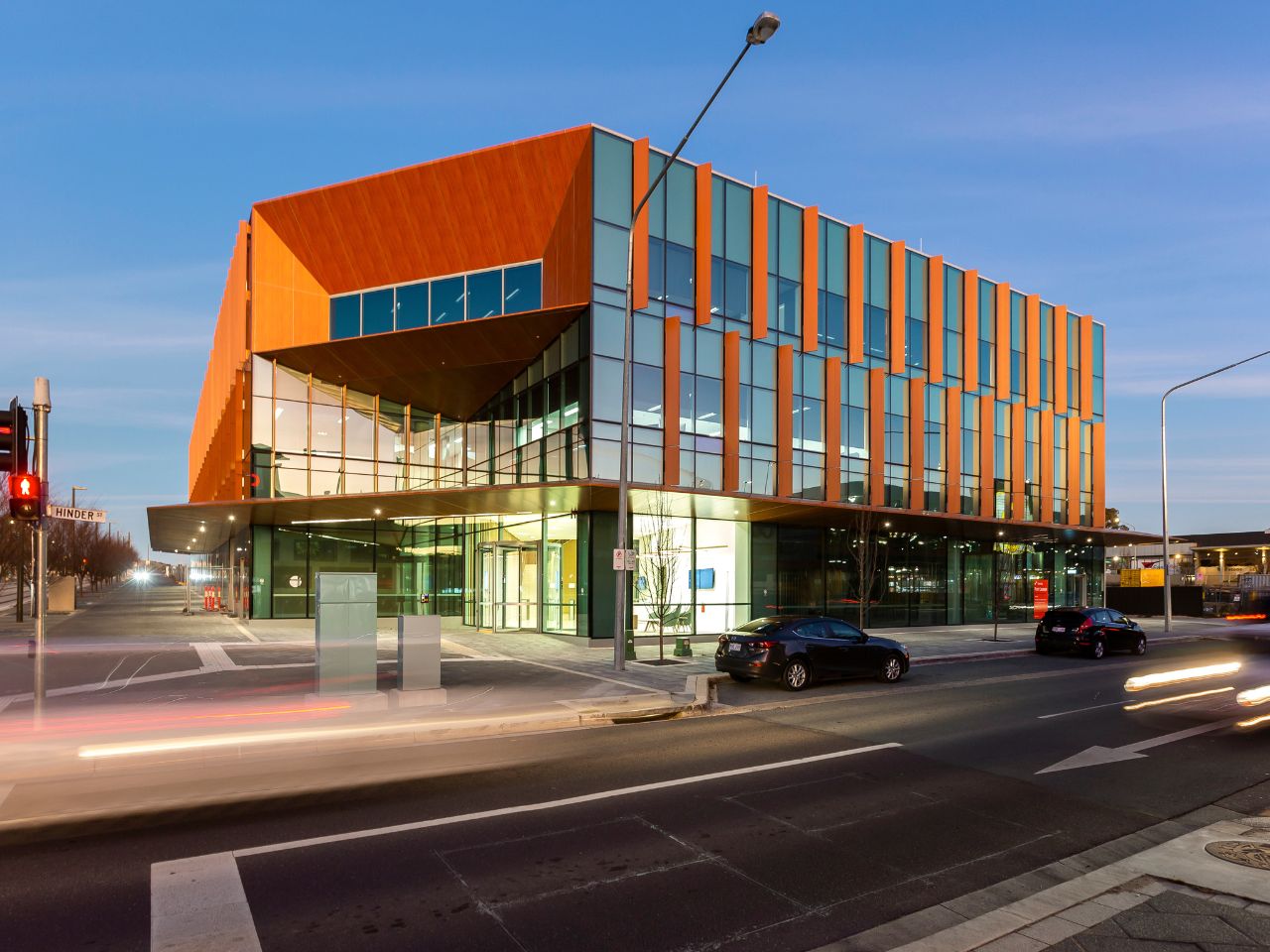
In our evolving construction industry, exterior building cladding plays an essential role not only in the aesthetics of buildings but also in terms of their structural integrity, insulation, and, most critically, their fire safety. The focus on DtS non-combustible cladding in Australia has intensified in recent years following several high-profile fire incidents both locally and internationally. Understanding the importance of using DtS non-combustible cladding is imperative for architects, builders, property developers, and everyday Australians who are concerned with safety and compliance.
Key Insights
- Using DtS non-combustible cladding significantly reduces the risk of fire spreading in buildings, thereby protecting lives and property.
- The presence of combustible cladding can affect property value, insurance premiums, and resale potential, making non-combustible options a crucial investment in both safety and long-term financial security.
- Australia’s National Construction Code (NCC) and state-level initiatives now mandate or strongly encourage the use of non-combustible materials for cladding across the industry.
What is Building Cladding?
“Cladding” refers to the external layer of a building. It is often used, especially on commercial and high-rise residential buildings, to provide thermal insulation, weather resistance, and an aesthetically pleasing appearance.
Traditionally, cladding can be made from a wide array of materials, including timber, metal, stone, tile, concrete, and composite materials. Not all cladding materials, however, are created equal in terms of fire safety performance.
The Issue with Combustible Cladding
Combustible cladding, which was widely used in Australia and internationally from the 1980s, poses a serious fire risk – most especially in high-rise, high-occupancy residential and commercial buildings. These materials ignite and burn quickly and easily, and therefore can contribute to the rapid spread of fire. In a building that is fitted with combustible cladding, what might otherwise be a contained blaze can quickly become a catastrophic event.
Australia has had distinct wake-up calls regarding the use of combustible cladding: the Lacrosse Building fire in Melbourne (2014) and the Neo200 fire (2019). Both of these incidents involved buildings clad in highly flammable materials. Fortunately, no human lives were lost in these fires, but they highlighted a systemic issue relating to building practices and regulatory oversight, and ultimately triggered widespread audits, several legal battles, and urgent remediation efforts across Australia.
DtS Non-Combustible Cladding – What Is It?
“DtS non-combustible cladding” is a term used to describe recognised cladding materials that will not ignite, burn, or release flammable vapours when they are exposed to fire or extreme heat. These materials have been rigorously tested and classified according to the National Construction Code (NCC) and Australian Standards such as AS 1530.1 (for metal cladding).
Some non-combustible cladding options include:
- Fibre cement sheets
- Solid aluminium sheeting
- Certain composite metal panels (e.g. ALPOLIC™ NC/A1)
- Terracotta and stone facades
The use of such materials significantly improves a building’s fire safety profile. It reduces the likelihood of a fire spreading, as well as optimising the opportunity for emergency services to respond effectively.
Australia’s Regulations for Cladding
Australian state and federal governments have tightened building codes within the last decade and now enforce regulations to prevent such tragedies in the future. This includes clearer guidelines for architects and builders on the use of non-combustible materials in high-rise buildings and places of public gathering.
Some states have expanded on this by implementing auditing programs and even offering financial assistance/loan schemes to help building owners replace unsafe cladding.
Builders and developers are now also subject to stricter penalties for non-compliance, and fire performance certifications are under greater scrutiny than ever before. This aims to not only remediate existing risks but also create a culture of compliance and accountability moving forward.
Why Else Is Investment in DtS Non-Combustible Cladding So Important?
The presence of combustible cladding on a building can result in more than just concerns about safety. It can also impact:
- property values
- insurance premiums
- the ability to sell or refinance a property
A lot of Australians have found themselves, through no fault of their own, caught in the difficult position of living in or owning a home or other premises that are deemed unsafe due to cladding material. This is why investing in DtS non-combustible cladding is important for safeguarding investments and meeting Australian regulations. This may mean undertaking a remediation project and recladding your property.
Significant progress has been made in identifying and replacing combustible cladding. The Australian construction industry is also embracing innovation, with new and improved (DtS) non-combustible cladding products entering the market, offering heightened safety and design flexibility. Increasing public awareness, a solid commitment to industry education, and enforcement of regulations will be critical to ensuring safer building practices and outcomes in the future.
Wrapping Up…
Choosing DtS non-combustible cladding is not merely checking a regulatory box, but is a cornerstone of safe, resilient, future-proof construction. Understanding and embracing DtS non-combustible cladding is critical.