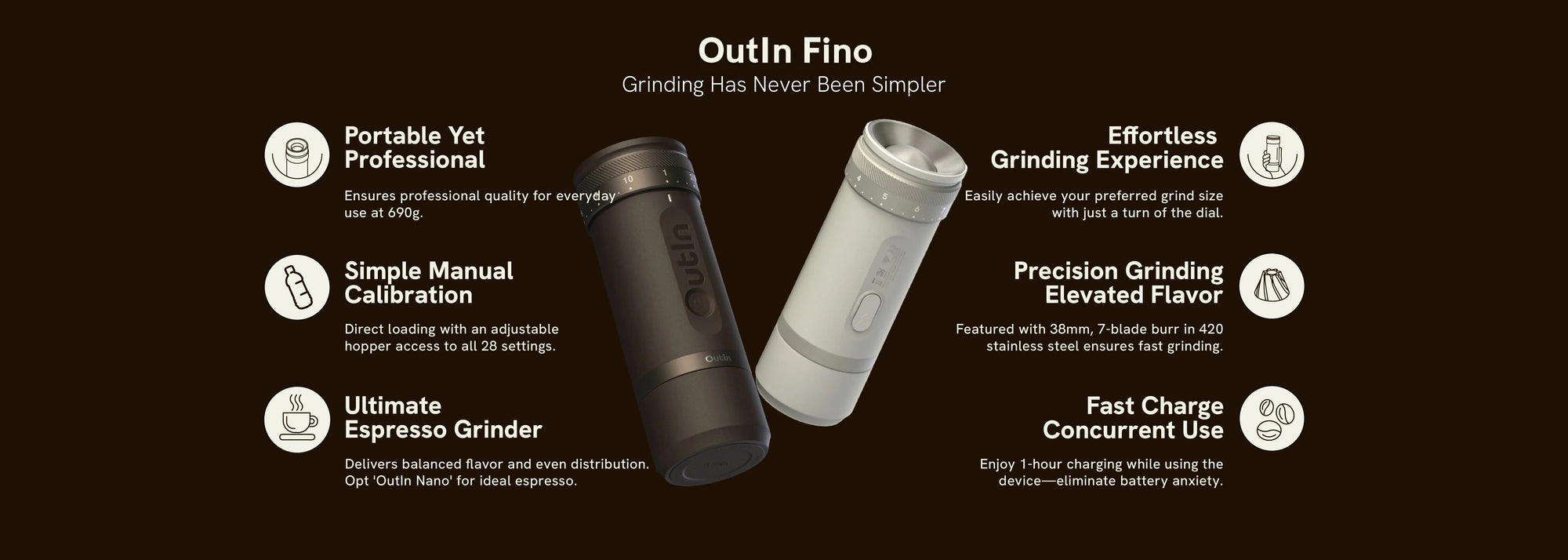
For coffee enthusiasts who refuse to compromise on quality, the ritual of grinding fresh beans is non-negotiable. Whether you’re a digital nomad working from Bali, a business traveler hopping between cities, or an adventurer camping in remote locations, access to freshly ground coffee can transform your morning routine from mundane to exceptional. The difference between pre-ground and freshly ground beans is remarkable—the aroma, flavor complexity, and overall satisfaction are incomparable.
The challenge for travelers has always been finding a grinder that doesn’t add bulk to luggage or trigger security concerns at airports. Traditional grinders are often too large, heavy, or impractical for travel purposes. Modern travel-friendly electric coffee grinders solve this dilemma by combining compact design with powerful performance. These innovative devices fit easily into carry-on luggage, comply with TSA regulations, and deliver consistent grinding results without the arm fatigue associated with manual grinders. The right travel grinder ensures you can enjoy café-quality coffee anywhere your journey takes you.
The Importance of a Travel-Friendly Coffee Grinder
The ritual of grinding coffee beans immediately before brewing unlocks flavors and aromas that pre-ground coffee simply cannot match. Within fifteen minutes of grinding, coffee begins losing its volatile compounds—the very essence that creates a memorable cup. For travelers, this presents a unique challenge: hotel coffee is notoriously disappointing, and finding quality cafés in unfamiliar locations wastes precious time. A travel-friendly grinder puts control back in your hands, ensuring every morning starts with coffee that meets your standards regardless of your location.
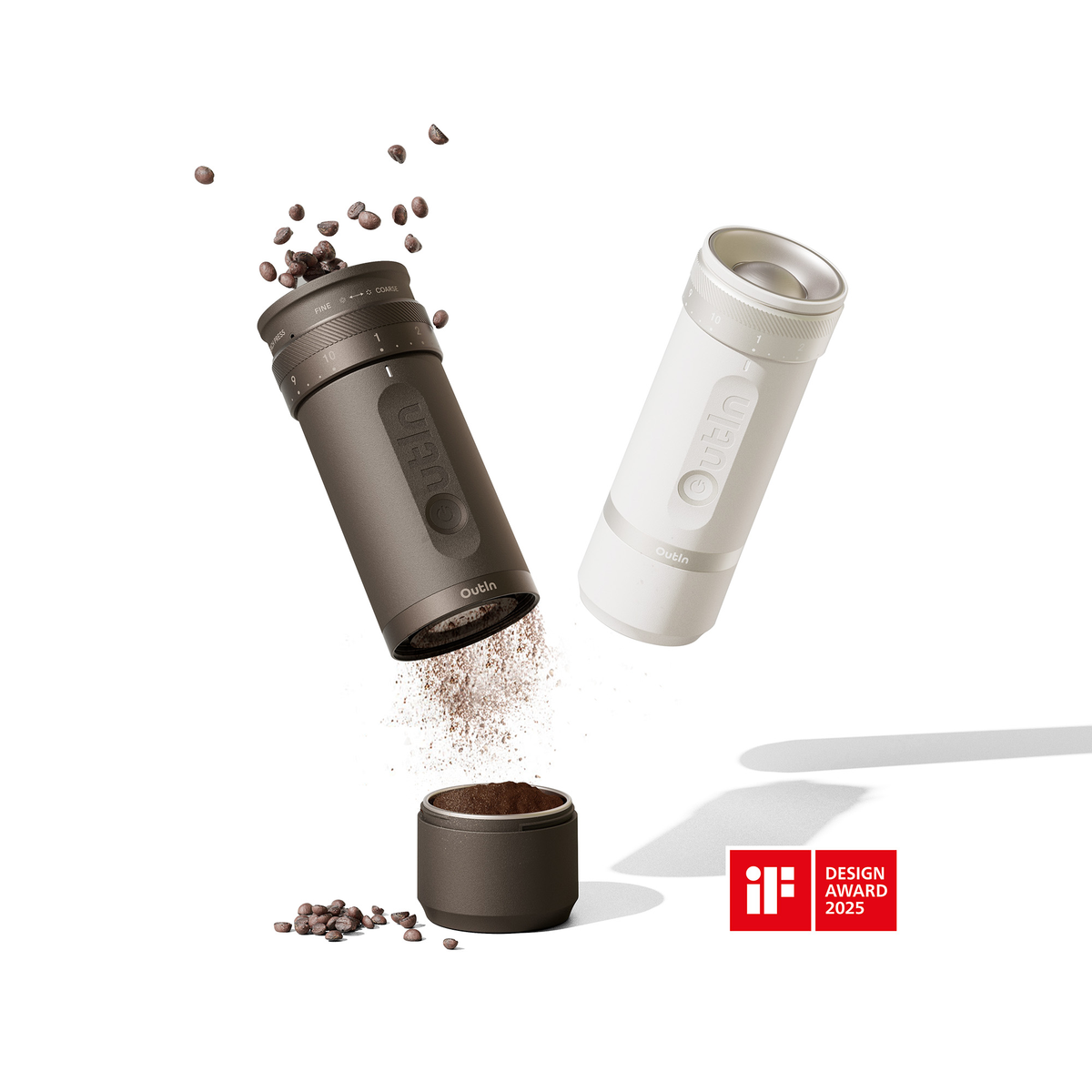
Electric grinders offer distinct advantages over their manual counterparts, particularly for travelers who are already managing tight schedules and physical demands. While manual grinders require considerable effort and time—often several minutes of continuous cranking—electric models complete the same task in seconds with a simple button press. This efficiency becomes invaluable during early morning departures or when you’re juggling multiple tasks in a hotel room. Electric grinders also deliver superior consistency, as the motorized mechanism maintains uniform pressure and speed throughout the grinding process. Manual grinders can produce uneven results depending on your energy level and technique, leading to inconsistent extraction and subpar flavor. The convenience of an electric grinder means you’re more likely to actually use it during your travels rather than settling for inferior alternatives. Additionally, electric models eliminate the repetitive strain that manual grinding can place on wrists and arms—a consideration that matters when you’re already carrying luggage and navigating airports or hiking trails.
Key Features to Look for in a Travel-Friendly Grinder
Selecting the right travel grinder requires careful evaluation of features that balance portability with performance. The most critical consideration is size and weight—your grinder should fit comfortably in a carry-on bag without consuming valuable space needed for clothing and other essentials. Look for models under one pound that measure no more than eight inches in height, as these dimensions ensure easy packing alongside travel mugs and portable brewing devices. The grinder’s footprint matters just as much as its grinding capability when you’re working with limited luggage allowances.
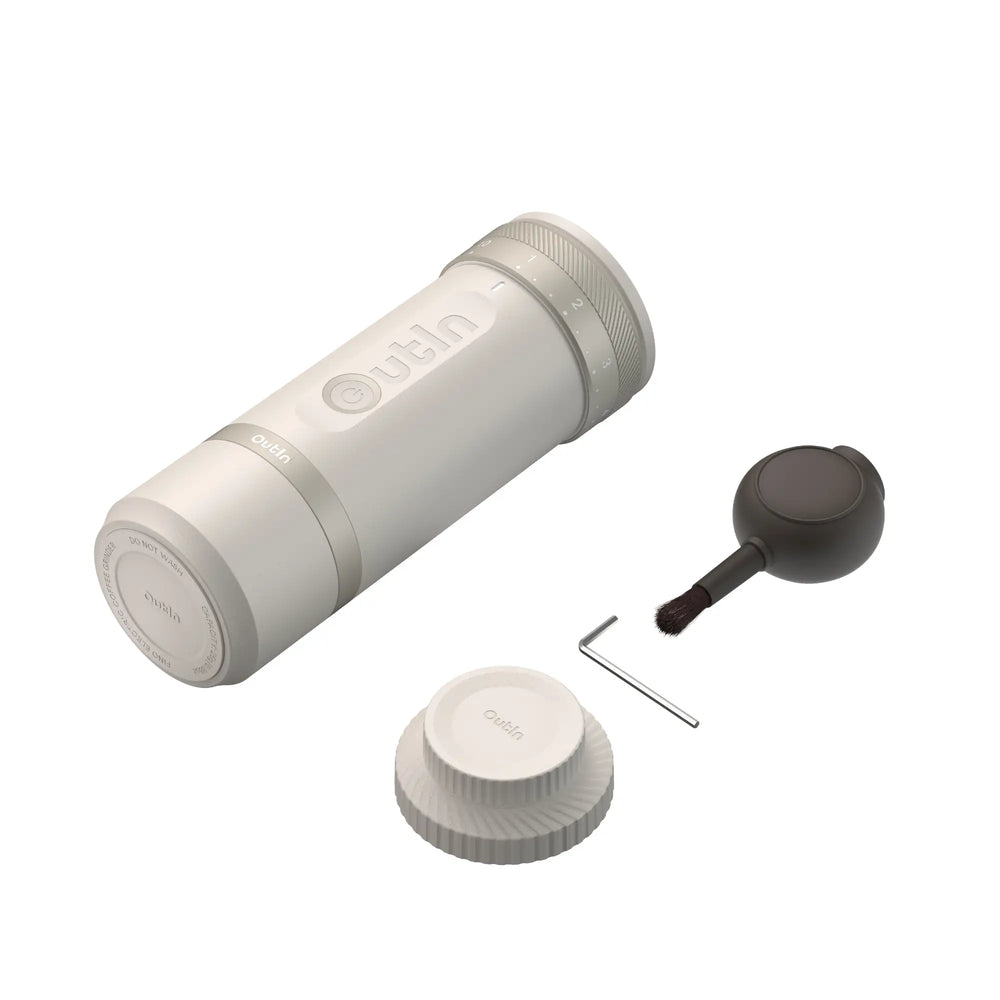
An effective electric motor distinguishes exceptional travel grinders from mediocre ones. The motor should deliver consistent grinding across various settings, from coarse grinds for French press to finer textures for pour-over methods. Battery-powered or USB-rechargeable options eliminate dependence on specific outlet types, which proves invaluable when traveling internationally where voltage standards vary. Cleaning accessibility cannot be overlooked—grinders with removable grinding chambers and brushes allow you to maintain hygiene standards even in hotel bathrooms or campsites. TSA compliance is non-negotiable for air travelers; confirm that your chosen grinder contains no prohibited components and that its design won’t raise questions during security screening. Durability matters significantly when your grinder will endure jostling in luggage and exposure to varying temperatures and humidity levels. Materials like stainless steel burrs and reinforced plastic housings withstand travel rigors better than fragile alternatives, ensuring your investment serves you reliably across countless journeys.
How to Choose the Right Electric Coffee Grinder
Selecting the ideal travel grinder begins with understanding your brewing preferences and the grind consistency they demand. Espresso requires ultra-fine, uniform particles that create proper resistance during extraction, while French press needs coarse, even chunks to prevent over-extraction and sediment in your cup. Pour-over methods fall somewhere in between, requiring medium grinds that allow controlled water flow. Test your prospective grinder’s range by examining whether it offers adjustable settings or preset options that match your preferred brewing method. A grinder that excels at one grind size but fails at others will limit your coffee options during travel.
Capacity considerations depend on whether you’re brewing solo or sharing with travel companions. Single-serving grinders that hold fifteen to twenty grams suffice for individual use and minimize weight, while larger chambers accommodating forty grams or more suit couples or small groups. Storage design matters equally—some grinders feature integrated bean containers that eliminate the need for separate storage solutions, consolidating your coffee setup into one compact unit. Examine whether the grinder includes a cord wrap, protective case, or collapsible components that enhance packability.
Before committing to a purchase, investigate user experiences through detailed reviews that discuss real-world travel performance rather than just laboratory specifications. Pay attention to feedback about noise levels, which become significant in shared hotel rooms or quiet campsites. Battery life reports reveal whether the grinder can handle a week-long trip without recharging. If possible, test the grinder’s operation in person—assess the button responsiveness, feel the build quality, and evaluate how easily you can disassemble it for cleaning. This hands-on evaluation prevents disappointment when you’re already on the road.
Travel-Friendly Electric Coffee Grinders for Different Needs
Matching your grinder to your specific travel patterns ensures optimal performance without unnecessary bulk. For weekend getaways and short business trips lasting three days or less, ultra-compact grinders designed for single servings provide the perfect solution. These minimalist models typically weigh less than half a pound and occupy minimal space in your carry-on, fitting easily into jacket pockets or small compartments alongside your toiletries. Their streamlined design sacrifices capacity for portability, making them ideal when you’re traveling light and brewing only for yourself each morning.
Extended journeys spanning a week or more benefit from medium-capacity grinders that strike a balance between size and functionality. These models accommodate enough beans for multiple days without requiring constant refills, yet remain compact enough to pack efficiently. Their slightly larger motors often provide more grinding settings and better consistency across different brew methods, giving you flexibility to experiment with French press one morning and pour-over the next. The additional weight—usually around twelve ounces—becomes justified when you’re establishing a temporary coffee routine in a vacation rental or extended hotel stay.
Travelers moving in groups or families require high-capacity grinders that can handle forty grams or more in a single session. These robust units feature more powerful motors that process larger quantities quickly, preventing the bottleneck of grinding multiple batches for several people. While they occupy more luggage space, their efficiency makes them worthwhile when you’re sharing accommodations and everyone expects quality coffee. Some models include dual grinding chambers or quick-release mechanisms that speed up the process of serving multiple cups, transforming your travel coffee setup into a communal experience rather than a solitary ritual.
Tips for Using Your Travel-Friendly Coffee Grinder
Maximizing your travel grinder’s performance begins with proper bean storage, which directly impacts flavor quality throughout your journey. Transfer your coffee beans into an airtight container immediately after purchasing them, as exposure to oxygen accelerates staling. Opaque containers work best because light degrades coffee’s essential oils, while materials like stainless steel or ceramic maintain stable internal temperatures better than clear plastic. Measure out only what you need for each grinding session rather than filling the grinder’s chamber in advance, as residual oils from previous grinds can turn rancid and contaminate fresh beans. This approach also prevents waste if you decide to switch coffee varieties mid-trip.
Regular cleaning prevents oil buildup that affects both flavor and grinder performance. After each use, disassemble the grinding chamber and brush out residual grounds using the cleaning tool that accompanies most grinders, or substitute a small paintbrush if necessary. Every three to four days during active use, wipe the chamber and burrs with a slightly damp cloth to remove accumulated oils, then dry thoroughly before reassembling. Avoid submerging electric components in water—focus cleaning efforts on removable parts only. Some travelers grind a small amount of uncooked white rice monthly to absorb oils and dislodge stubborn particles, though this technique should supplement rather than replace manual cleaning.
Matching grind size to your brewing method prevents disappointing results despite using fresh beans. Coarse grinds resembling sea salt work optimally for French press, requiring four-minute steep times that extract flavor without bitterness. Medium grinds similar to sand suit pour-over and drip methods, allowing water to flow through at appropriate rates. Fine grinds approaching powdered sugar consistency serve espresso machines that need resistance for proper extraction. Experiment with your grinder’s settings before traveling to identify which position produces your preferred texture, then mark it discreetly with tape or a permanent marker for quick reference during rushed mornings. Consider repurposing used grounds as a natural deodorizer for luggage or mixing them into hotel room plant soil, extending their usefulness beyond brewing while reducing waste during your travels.
Common Questions About Travel-Friendly Coffee Grinders
Air travel with coffee grinders raises understandable security concerns, but electric grinders are generally permitted in both carry-on and checked luggage according to TSA guidelines. The key is ensuring your grinder contains no blade-like components that could be mistaken for weapons—most travel grinders use burr mechanisms that pose no security issues. Remove batteries or ensure rechargeable units are powered off during flights, as lithium batteries have specific airline regulations. If questioned during screening, calmly explain that it’s a coffee bean grinder and offer to demonstrate its function if necessary. Packing it in an easily accessible location expedites inspection should security personnel request a closer look.
Cleaning electric grinders requires careful attention to avoid damaging electrical components. Unplug or remove batteries first, then disassemble all removable parts including the grinding chamber, lid, and collection container. Use the included brush or a dry cloth to remove loose grounds from burrs and interior surfaces. For deeper cleaning, dampen a cloth with water—never submerge the motor housing—and wipe down non-electrical parts, drying them completely before reassembly. Stubborn residue responds well to grinding a tablespoon of uncooked rice, which absorbs oils and dislodges particles, though you should discard this rice rather than consume it.
Espresso demands fine grounds resembling table salt or slightly finer, creating the resistance necessary for proper extraction under pressure. The grind should clump slightly when pinched but still feel powdery rather than gritty. Travel grinders with multiple settings typically achieve espresso consistency at their finest adjustment, though you may need to experiment with your specific model. Grind a small test batch and assess whether your espresso extracts in twenty-five to thirty seconds—faster flow indicates grounds are too coarse, while slower drips suggest over-fine grinding that creates excessive resistance.
While coffee grinders can technically process spices like peppercorns or dried herbs, dedicating your travel grinder exclusively to coffee prevents flavor contamination. Coffee oils penetrate grinding mechanisms and prove difficult to eliminate completely, meaning your cumin will taste like yesterday’s Ethiopian blend. If you must grind other ingredients, thoroughly clean all components afterward and run sacrificial coffee beans through to purge residual flavors before returning to regular use. Consider purchasing an inexpensive separate grinder for spices if you frequently need both functions during travels.
Elevate Your Travel Coffee Experience
Investing in a travel-friendly electric coffee grinder transforms your journey from settling for mediocre hotel coffee to enjoying exceptional brews wherever you roam. The key is selecting a grinder that balances portability with performance—compact enough to fit easily in carry-on luggage yet powerful enough to deliver consistent results across various brewing methods. Prioritize features like rechargeable batteries, durable construction, and easy-clean designs that withstand the rigors of frequent travel while maintaining hygiene standards on the road. Brands like OutIn have recognized this need by designing grinders specifically engineered for travel scenarios, addressing common pain points such as weight, battery life, and durability.
Your ideal grinder depends entirely on your travel patterns and brewing preferences. Solo travelers benefit from ultra-compact single-serving models, while those on extended trips or traveling with companions should consider medium to high-capacity options. Match the grind settings to your preferred brewing method, maintain regular cleaning routines, and store beans properly to maximize flavor quality throughout your journey. The right travel grinder isn’t just another gadget—it’s an investment in starting every day with coffee that meets your standards, regardless of whether you’re waking up in a five-star hotel or a mountain campsite. Choose wisely, and you’ll never have to compromise on your morning ritual again.