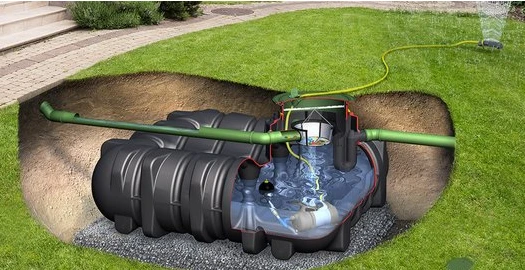
Why Buried Tanks Stop Being Invisible Over Time
Underground storage tanks don’t get much attention once they’re installed. They’re buried, out of view, and rarely interfere with daily activity—until age, corrosion, and shifting ground turn them into long-term liabilities. The problem isn’t just what’s inside them, but what happens when they stay in place past their intended lifespan.
Moisture, soil acidity, oxygen exposure, and hydrostatic pressure all contribute to deterioration. Most of this damage happens unnoticed, and that’s where risk begins. By the time a leak is detected, soil contamination may already have spread beyond the tank site.
Owners who plan ahead for UST removal prevent these consequences before environmental regulators, buyers, or insurers force action. Addressing the issue while the site is stable and uncontaminated is far easier than responding to a mandated excavation. Many properties only discover the extent of risk once a transfer, inspection, or redevelopment project reveals what’s been happening underground.
Proactive planning gives owners more control. Many begin evaluating UST removal not because of a failure, but because of the rising costs of leaving old equipment in place.
When Insurance No Longer Protects the Owner
Insurance coverage for aging underground tanks often declines over time. Once a tank reaches a certain age, many carriers reduce coverage or exclude leakage-related claims entirely. If a release happens after that point, the financial responsibility falls entirely on the owner.
This isn’t limited to major spills. Even a slow leak that affects a small amount of soil can trigger reporting requirements and cleanup obligations. Without coverage, the cost of excavation, testing, remediation, and disposal comes directly out of pocket. Property owners who assume insurance will respond often discover too late that the policy doesn’t extend to outdated tanks.
Removing the tank before it fails is typically less expensive than navigating cleanup and liability without protection.
Property Transfers and Redevelopment Bring Problems to the Surface
A tank that hasn’t failed can still derail a real estate transaction. Buyers and lenders often require documentation showing that underground tanks have been removed, abandoned in place properly, or upgraded. Even if no environmental testing has occurred, the mere presence of an aging tank introduces risk.
During redevelopment or permitting, old tanks become immediate obstacles to site work. Excavation plans, foundation placement, and utility trenching all get delayed until the tank is dealt with. In most cases, delays cost more than simply removing the tank when property conditions are stable.
Cleanup costs also climb if construction exposes contamination that was previously undetected. Taking control of the timeline with planned removal prevents stalled deals, reduced valuations, and surprise remediation expenses.
When Leaks Go Undetected Until Soil Testing Begins
A buried tank can leak for years before surface symptoms appear. Soil naturally absorbs small amounts of fuel, and many properties don’t perform subsurface investigation unless there’s a trigger event. By the time testing begins, the problem has already grown.
Contaminated soil may require removal, treatment, and disposal. In some cases, monitoring wells must be installed to verify that groundwater hasn’t been impacted. These steps add cost, time, and regulatory oversight to the project.
Owners who treat tank removal as a preventive measure avoid entering cleanup scenarios they didn’t plan for.
Why Age Is Enough Reason to Act
Even without testing or failure reports, age is an accepted indicator of risk. Tanks installed decades ago were built with materials and standards that no longer match current expectations. Older steel tanks without cathodic protection or lining support are especially vulnerable to corrosion from the surrounding soil.
Regulators and environmental professionals often recommend taking action once a tank reaches the end of its expected lifespan. That timeline varies based on construction, environment, and use, but the principle is consistent—once a tank is past its safe service period, it becomes a liability even without leaking.
Removing it before issues arise not only protects the property but also avoids discovery under pressure.
Legal Responsibility Doesn’t End With Inactivity
Abandoning a tank in place doesn’t eliminate responsibility for it. Even unused underground tanks can leak due to corrosion or structural failure. If contamination spreads, the owner remains accountable regardless of whether the tank was in service.
In many jurisdictions, outdated or idle tanks must be emptied, cleaned, closed properly, or removed entirely. Leaving them unaddressed creates exposure to fines, investigation, and enforcement. When regulators require removal under deadline, owners lose the freedom to manage cost, scheduling, and site coordination.
UST removal performed voluntarily allows owners to set the timeline instead of reacting to one imposed on them.
Soil and Groundwater Are the Real Risk Zones
The biggest liability tied to underground tanks isn’t equipment damage—it’s environmental impact. A slow leak can spread through surrounding soil and into groundwater, requiring remediation that extends far beyond the tank footprint.
Cleanup can involve:
- Excavation of contaminated soil
- Off-site disposal
- Vapor intrusion prevention
- Monitoring after removal
- Groundwater recovery or treatment
Even when contamination is limited, regulatory agencies may require documentation, mapping, and follow-up testing. Voluntary removal before a leak reaches the subsurface reduces the chance of these outcomes.
Removal as Protection, Not Reaction
Decommissioning or taking a tank out of service is not the same as completing removal. A tank left in place still carries risk unless it’s been officially cleaned and closed according to environmental standards. When a tank is excavated, inspected, and disposed of properly, the site is no longer burdened by an unseen source of liability.
Property owners who plan ahead for removal benefit by:
- Avoiding emergency response conditions
- Preventing permit delays
- Preserving property value
- Reducing resale complications
- Maintaining environmental compliance
Timing matters. Removal before damage occurs allows the project to take place under manageable conditions rather than investigation-driven urgency.
Long-Term Protection Begins Underground
No buried tank lasts indefinitely. Its surroundings change, its structure weakens, and its legal implications intensify over time. The question isn’t whether a tank will eventually become a liability—it’s whether the property owner chooses to address it before circumstances force the decision.
UST removal removes uncertainty before it becomes a documented problem. It protects against contamination, financial exposure, and regulatory intervention. By dealing with the tank before it fails, owners protect both the land and their ability to decide what happens next.