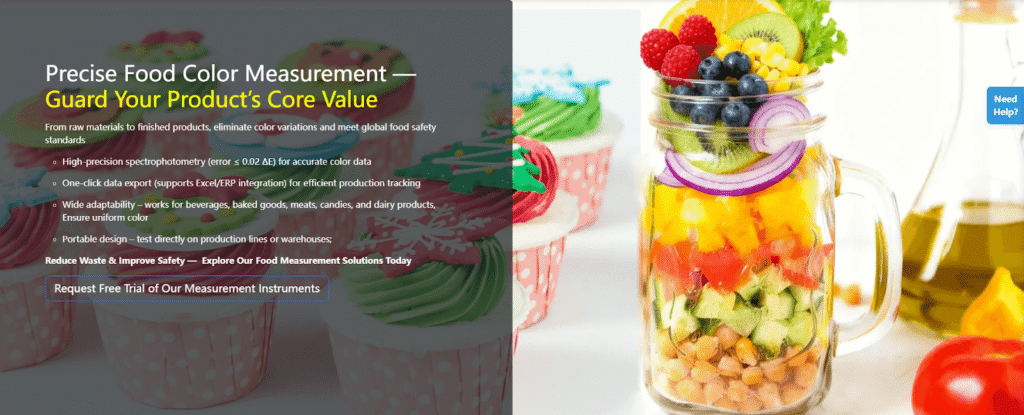
In the food industry, color is more than just an aesthetic quality—it is an indicator of freshness, safety, and overall product appeal. From beverages and sauces to fruits, vegetables, and processed foods, consistent color can influence consumer perception and purchasing decisions. Modern technology, including food color measurement instruments and advanced tools like colorimeter China, has revolutionized the way food manufacturers monitor and maintain product quality. Additionally, principles used in colour management of plastic can inform best practices in packaging and presentation, ensuring that food products not only look appealing but are perceived as fresh and safe.
Why Food Color Matters
Color in food serves multiple purposes:
- Consumer Appeal: Vibrant, consistent color attracts consumers and conveys freshness.
- Quality Control: Changes in color can indicate spoilage, overcooking, or chemical degradation.
- Brand Consistency: Maintaining color standards across batches reinforces brand identity.
- Regulatory Compliance: Certain food products must meet color specifications for safety and labeling standards.
Inconsistencies in color can lead to decreased sales, increased waste, and damage to a brand’s reputation. Therefore, accurate color measurement is critical for food manufacturers.
How Food Color Measurement Instruments Work
Food color measurement instruments are designed to quantify the color of food products objectively, eliminating the subjectivity of human visual inspection. These devices provide precise data that can be analyzed to ensure consistency, detect deviations, and maintain high quality.
1. Colorimeters
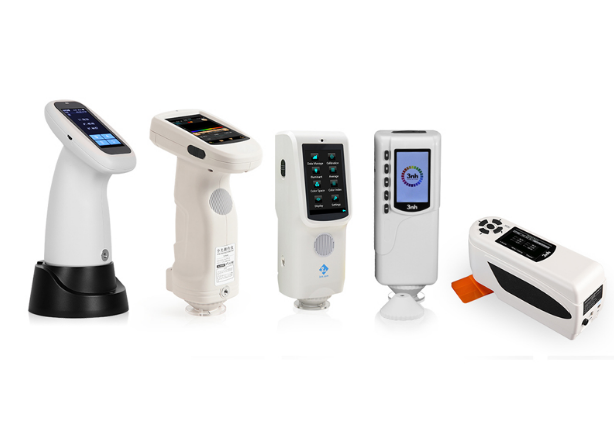
Color meters are widely used for food color measurement due to their simplicity, portability, and affordability. These instruments measure color based on red, green, and blue components of reflected or transmitted light and provide results in standard color spaces such as CIELAB. Using a colorimeter China, manufacturers can quickly assess the color of liquids, powders, or solid foods to ensure they meet established standards.
2. Spectrophotometers
Spectrophotometers offer more advanced capabilities. Unlike colorimeters, which rely on three primary color filters, spectrophotometers measure the intensity of light across a wide range of wavelengths. This allows for precise detection of subtle color differences, even in complex foods with multiple pigments. Spectrophotometers are ideal for premium products, quality assurance in large-scale manufacturing, and research and development of new food items.
3. Portable Devices
Many food color measurement instruments are now portable, allowing for on-site quality checks. Portable colorimeters and mini spectrophotometers can be used directly on production lines, in storage facilities, or at point-of-sale locations to ensure that products consistently meet visual and quality standards.
Benefits of Using Food Color Measurement Instruments
Implementing color measurement instruments in food production offers numerous advantages:
- Objective Assessment: Provides reliable and repeatable results, minimizing human error.
- Early Detection: Identifies color deviations before products reach the consumer.
- Quality Assurance: Maintains consistency across batches, reducing waste and rework.
- Consumer Trust: Ensures products meet expectations for freshness and appearance.
- Data-Driven Decisions: Measurement data supports process optimization and trend analysis.
By incorporating these instruments into production and quality control workflows, food manufacturers can ensure high-quality, appealing products every time.
Linking Colour Management of Plastic to Food Packaging
Just as color measurement is critical in food, colour management of plastic is essential for packaging. Packaging not only protects food but also influences consumer perception. Transparent or colored plastics must be carefully managed to avoid altering the perceived color of the product inside. For instance:
- Transparent Packaging: Ensures that the actual color of the food is accurately visible to consumers.
- Tinted Plastics: Requires adjustment in color measurement to account for the effect of packaging on perceived food color.
- Consistency: Color management principles used in plastics can help standardize packaging across batches, complementing the consistency achieved in food color measurement.
Integrating packaging color management with food color analysis ensures that products appear fresh and appealing from production to retail.
Applications in the Food Industry
Food color measurement instruments are used across a wide range of applications:
- Beverages: Ensuring uniformity in juices, soft drinks, and teas.
- Dairy Products: Monitoring consistency in milk, cheese, and yogurt.
- Processed Foods: Controlling color in sauces, soups, candies, and baked goods.
- Fresh Produce: Detecting ripeness, spoilage, or degradation in fruits and vegetables.
- Quality Control and R&D: Developing new products and ensuring compliance with brand and regulatory standards.
In each case, precise measurement of color ensures that products meet consumer expectations and maintain quality throughout their shelf life.
Tips for Effective Food Color Measurement
- Calibration: Regularly calibrate instruments to maintain accuracy.
- Standard Lighting Conditions: Ensure consistent measurement conditions to avoid discrepancies.
- Sample Preparation: Homogenize or prepare samples consistently to improve measurement reliability.
- Use Appropriate Instruments: Select colorimeters for routine checks and spectrophotometers for detailed analysis.
- Data Analysis: Leverage software tools to track trends, compare batches, and adjust production processes.
By following these practices, food manufacturers can maximize the reliability and usefulness of color measurement data.
Future Trends in Food Color Measurement
As technology advances, food color measurement instruments are becoming faster, more portable, and increasingly integrated with digital systems. Automated quality control lines, AI-assisted color analysis, and wireless data sharing are transforming how manufacturers monitor color and quality. Coupled with effective colour management of plastic in packaging, these technologies enable full-spectrum quality control, from production to the consumer.
Conclusion
Maintaining consistent color in food products is critical for quality, safety, and consumer satisfaction. Food color measurement instruments, including colorimeter China, provide reliable, objective, and repeatable data that allow manufacturers to monitor freshness and appearance throughout production. By integrating these tools with sound principles of colour management of plastic for packaging, food companies can ensure that their products look appealing, remain consistent, and maintain their brand reputation.
Investing in modern color measurement technologies is no longer optional—it is essential for food manufacturers who want to deliver high-quality, visually appealing products that meet consumer expectations and regulatory standards.
Threenh Make Food Color Measurement Easier
If you’re serious about accurate food color analysis, Threenh.com is the place to start. A leader in precision instruments. Be it a requirement to examine various shades of ketchup, test meat color, test cookie color or olive oil hue, Threenh.com can provide the equipment and expertise.
We offer:
● High-end colorimeters are designed specifically to do food work.
● Portable spectrophotometers that can be carried or attached to a production line.
● Professional assistance in the installation of color measurement equipment in a food company.
2025 popular colorimeters: popular models and purchasing guides for multiple industries
Accurate color measurement is the core guarantee for quality control and creative effects in fields such as food, coatings, and laboratories. In 2025, popular colorimeters in the market will dominate sales with their differentiation advantages. Here are the core highlights, applicable scenarios, and purchasing logic of globally popular models.
3NH NH310 horizontal colorimeter
This portable model has become a popular choice for outdoor and on-site testing due to its “super endurance+environmental adaptability”, with sales reaching 200000 units in 2024. The body reaches IP65 waterproof level, which can work stably even in damp food processing workshops or outdoor sampling scenarios. The battery life can support 5000 tests, completely solving the power supply anxiety of on-site testing. Although chemical reagents need to be purchased separately, the compact horizontal design and Bluetooth data transmission function make it an ideal tool for mobile scenarios such as printing color detection, plastic product color difference, metal surface treatment, food color analysis, etc. It is highly recognized by frontline testing personnel and sold on major e-commerce platforms such as JD.com, Taobao, Amazon, Alipress TikTok Shop, eBay, etc. worldwide.