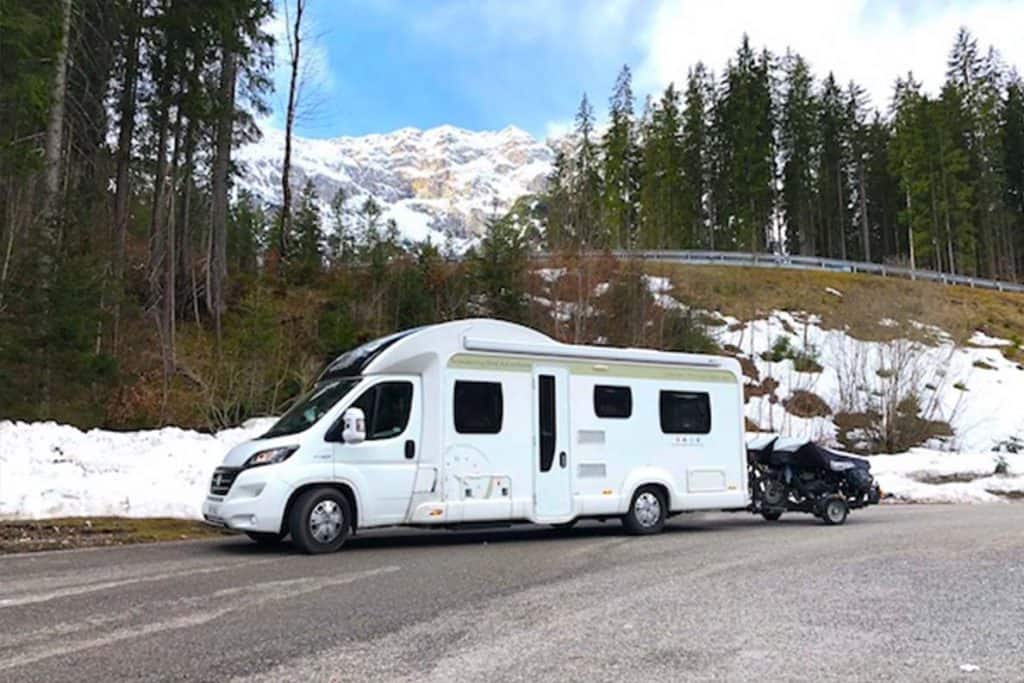
Motorhome living in the UK has surged in popularity over recent years, offering freedom, flexibility, and a unique way to explore Britain’s stunning landscapes. Whether you’re considering full-time motorhome living or planning extended trips, understanding the practicalities can make all the difference between a dream lifestyle and a challenging experience.
Choosing the Right Motorhome
Your motorhome is your home, vehicle, and adventure companion all rolled into one. Size matters significantly in the UK, where narrow country lanes and limited parking are common challenges. A compact motorhome (under 6 meters) offers easier maneuverability and access to more parking spots, whilst larger models provide more living space and amenities.
Consider your lifestyle needs carefully. Full-timers require robust heating systems for British winters, adequate storage, and reliable appliances. Weekend adventurers might prioritize fuel efficiency and ease of driving. Don’t forget about payload capacity—it’s easy to exceed weight limits when you’re carrying everything you need for daily life.
Legal Considerations and Address Requirements
Full-time motorhome living in the UK exists in a legal grey area. You’ll need a permanent address for vehicle registration, insurance, driving license, and accessing healthcare services. Many motorhomers use a family member’s address or specialized mail forwarding services.
Council tax is another consideration. If your motorhome is your sole residence and you’re not parked on private land you own, you typically won’t pay council tax. However, this can complicate proving residency for certain services.
Finding Places to Stay
Wild camping laws vary across the UK. Scotland offers the most freedom under the Scottish Outdoor Access Code, allowing responsible wild camping on most unenclosed land. England and Wales are more restrictive, though overnight parking in some areas is tolerated if you’re discreet and respectful.
Joining motorhome clubs opens access to certified locations (CLs) and temporary holiday sites with basic facilities at reasonable prices. Apps like Park4Night and SearchForSites are invaluable for finding suitable overnight spots, complete with reviews from fellow motorhomers.
Many pub car parks welcome motorhomes overnight, especially if you’re a paying customer. Always ask permission first. Similarly, some farm owners allow motorhome parking in exchange for a small fee.
Managing Utilities on the Road
Water management requires careful planning. Most motorhomes have fresh water tanks (typically 80-120 liters) and grey water waste tanks. You’ll need to refill fresh water every few days and empty waste regularly. Many supermarket car parks, petrol stations, and designated motorhome service points offer these facilities.
Electricity comes from multiple sources: your leisure battery (charged while driving or via solar panels), mains hook-up at campsites, or generators. Investing in solar panels significantly extends off-grid capabilities, especially during summer months. LED lighting and energy-efficient appliances help conserve power.
Gas powers heating, cooking, and hot water in most motorhomes. A 6kg propane bottle typically lasts 2-4 weeks depending on usage. Always carry spares and know where to refill—some areas have limited LPG availability.
Staying Warm in British Winters
UK winters test even the best-prepared motorhomers. Proper insulation is crucial—consider adding thermal blinds, insulated window covers, and draft excluders. Condensation is your enemy, causing dampness and mold. Combat this with adequate ventilation, dehumidifiers, and heating systems that include ventilation.
Diesel or gas heaters are essential for winter comfort. Many full-timers prefer diesel heaters as they’re more efficient for extended use. Always ensure proper ventilation and install carbon monoxide detectors—this isn’t optional, it’s life-saving.
Protect your water system from freezing by insulating pipes and tanks. Some motorhomers use heated hoses and tank heaters. If temperatures drop significantly, drain your system to prevent costly damage.
Internet and Staying Connected
Reliable internet is possible with the right setup. Multiple mobile network SIM cards provide backup when one network has poor coverage. Mobile WiFi routers with external antennas significantly improve signal strength. Many motorhomers use data-focused plans from providers like Three or EE, which offer substantial monthly allowances.
For remote workers, 4G/5G signal boosters are worthwhile investments. Research your planned locations beforehand using coverage checkers. Libraries, cafes, and some supermarkets offer free WiFi as backup options.
Managing Waste and Being Environmentally Responsible
Toilet waste disposal requires access to chemical disposal points or Elsan facilities, available at most campsites and motorhome service points. Never dispose of waste inappropriately—it’s illegal, harmful to the environment, and gives motorhomers a bad reputation.
Reduce waste by shopping carefully and composting where possible. Recycling while traveling requires organization—keep separate bags for different materials and dispose of them at recycling centers or larger service stations.
Budgeting for Motorhome Life
Motorhome living can be economical, but costs vary widely depending on your lifestyle. Fuel is a major expense, especially with larger motorhomes returning 20-25 mpg. Insurance for full-timers differs from standard policies—ensure you’re properly covered.
Factor in regular maintenance, MOTs, and unexpected repairs. Setting aside £100-150 monthly for maintenance is wise. Site fees range from free wild camping to £30+ per night for full-facility campsites. Many full-timers average £300-600 monthly on accommodation by mixing free and paid locations.
When it’s time for a change or upgrade, you’ll want a hassle-free way to sell my motorhome. We buy any motorhome services can simplify this process, offering quick valuations and purchases without the uncertainty of private sales.
Healthcare and Post
Register with a GP using your permanent address. Many surgeries now offer telephone and video consultations, making healthcare more accessible for travelers. Keep prescriptions up to date and consider using larger pharmacy chains with nationwide branches.
Mail forwarding services scan and email your post, or forward physical mail periodically. This prevents important documents going astray and maintains your connection to administrative necessities.
Community and Social Life
The motorhome community is remarkably welcoming. Online forums, Facebook groups, and meet-ups provide support, advice, and friendship. Many areas host regular motorhome gatherings where you can share experiences and learn from seasoned travellers.
Don’t underestimate the importance of community when living on the road. Loneliness can creep up, especially during winter months when you’re more isolated. Maintaining connections with family and friends, plus building new friendships within the motorhome community, enriches the lifestyle significantly.
Final Thoughts
Motorhome living in the UK offers incredible freedom and adventure, but it requires preparation, adaptability, and respect for the environment and communities you visit. Start with shorter trips to understand what works for you before committing to full-time living. Learn from others, invest in reliable equipment, and embrace the challenges alongside the rewards.
The British Isles offer endless exploration opportunities, from Scottish Highlands to Cornish coasts, historic cities to peaceful countryside. With proper planning and realistic expectations, motorhome living can be the adventure of a lifetime, offering a simpler, more connected way to experience the beauty and diversity of the UK.