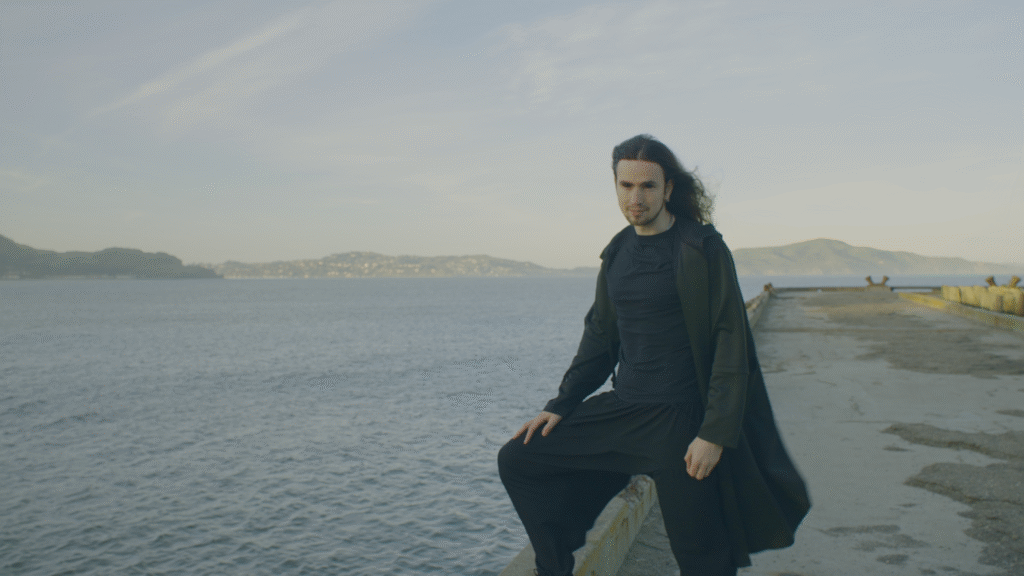
Horror films have always explored the tension between good and evil, faith and fear. From The Exorcist to Rosemary’s Baby, audiences have long been captivated by stories where unseen forces invade human lives. In Possession of Mara, San Francisco filmmaker Doctor Zee adds a new dimension to this tradition by introducing the Islamic concept of Iblis, also known as Al Shaytan, into his narrative.
This choice not only gives the film its chilling edge but also broadens the cultural vocabulary of horror. For the first time in mainstream independent cinema, viewers encounter the fallen angel of Islamic tradition portrayed in a Western-style possession story, creating a fusion of mythologies that is both unsettling and fascinating.
Who Is Iblis?
In Islamic tradition, Iblis is a central figure of defiance. Often equated with Satan, he is described as a being who refused to bow to Adam and was cast out of God’s grace. While Christian narratives portray Satan primarily as a tempter, Iblis carries additional layers of meaning in Islamic stories. He represents arrogance, rebellion, and the eternal struggle between divine will and human weakness.
By weaving Iblis into Possession of Mara, Doctor Zee introduces Western audiences to a new lens on evil. Rather than relying on familiar Catholic exorcism rituals seen in most horror films, he draws on Islamic spirituality to create something that feels original yet universally terrifying.
The Story of Possession of Mara
The film begins with a haunting scene at the Golden Gate Bridge, where Mara, a young woman tormented by despair, attempts to end her life. Rescued by a stranger, she is taken to safety, but soon it becomes clear that her torment is not only psychological. Mara is possessed by a vengeful spirit that carries the influence of Iblis, the fallen angel.
The Majestic Hotel in San Francisco becomes the primary setting for Mara’s ordeal. Its historic corridors and mysterious atmosphere intensify her battle, making the location itself feel alive. Inside these walls, the influence of Iblis unfolds, testing not just Mara but everyone around her.
Why the Introduction of Iblis Matters
Horror fans are familiar with demonic possession, but those stories typically lean heavily on Christian theology. Doctor Zee’s introduction of Iblis as the fallen angel offers a fresh narrative framework. It challenges audiences to think about evil not as a singular cultural construct but as a universal concept expressed through different traditions.
This approach also reflects the global nature of today’s film industry. Independent cinema has the freedom to blend cultures, mythologies, and storytelling traditions in ways that mainstream Hollywood often avoids. By introducing Iblis, Doctor Zee provides representation while also deepening the horror experience.
Performance at the Center
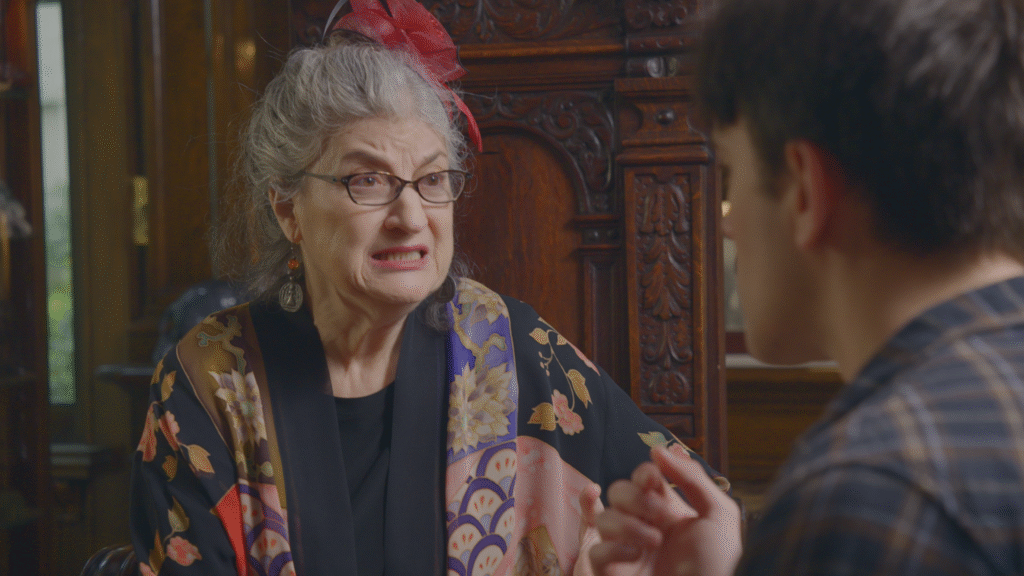
The film would not resonate as strongly without the powerful performance of Aubrey Bence, who portrays Mara. Alec Barnett is perfect as Christopher whose mother’s untimely death has left him devastated and Vlad Len has played Iblis which looks so real. Christopher goes to Golden Gate Spiritual Church to get help and that’s where he meets a caring and loving medium Hildegard played by Yael Schy. Matthew, played by Archie Meisner, is a protective friend who keeps telling Christopher to not pursue Mara.
Audiences see not just a possession but the struggle of a woman fighting for her identity and autonomy against an ancient force. This balance makes the presence of Iblis feel both symbolic and terrifying.
Cultural Crossroads in Horror
By choosing to introduce Iblis into his narrative, Doctor Zee places Possession of Mara at a cultural crossroads. The film acknowledges the shared human fascination with the battle between light and darkness while respecting the unique traditions of Islamic storytelling.
This choice also invites broader audiences into a conversation about spirituality, morality, and fear. Horror often thrives when it reflects cultural anxieties, and here it captures the universal fear of losing control to forces beyond our understanding.
The Role of San Francisco
San Francisco’s history of artistic experimentation, diversity, and innovation makes it the perfect place for a filmmaker who blends cultural narratives with genre cinema.
By filming in landmarks like the Majestic Hotel, Zee connects his storytelling to the city’s layered past. The local setting gives the film authenticity, while the universal themes of possession and resilience allow it to resonate worldwide. Possession of Mara has already gained festival acclaim, not only for Aubrey Bence’s performance but also for its cinematography by Leo Moring.
Horror as a Lens on Humanity
The presence of Iblis in the film is not just about shock or fear. It symbolizes rebellion, temptation, and the fragility of human will. By giving evil a face rooted in Islamic tradition, Doctor Zee encourages audiences to reflect on their own understanding of morality and struggle.
This combination of myth and modern storytelling makes the film resonate beyond the screen. It lingers in the mind, much like the best horror films always do.
An Invitation to Witness a New Perspective
For those eager to experience his work, www.doczeefilms.com offers a window into his career and creative journey. To explore his previous films, viewers can watch them free on Tubi at http://bit.ly/3VzBfgd Supporting independent cinema not only entertains but also ensures that diverse voices and stories continue to thrive.
Doctor Zee’s choice to introduce Iblis as the fallen angel marks a new direction in horror. It blends cultural storytelling with universal fears, reminding us that evil, in all its forms, transcends borders. Possession of Mara stands as a film that entertains, educates, and unsettles, inviting audiences to see horror through a new and unforgettable lens.