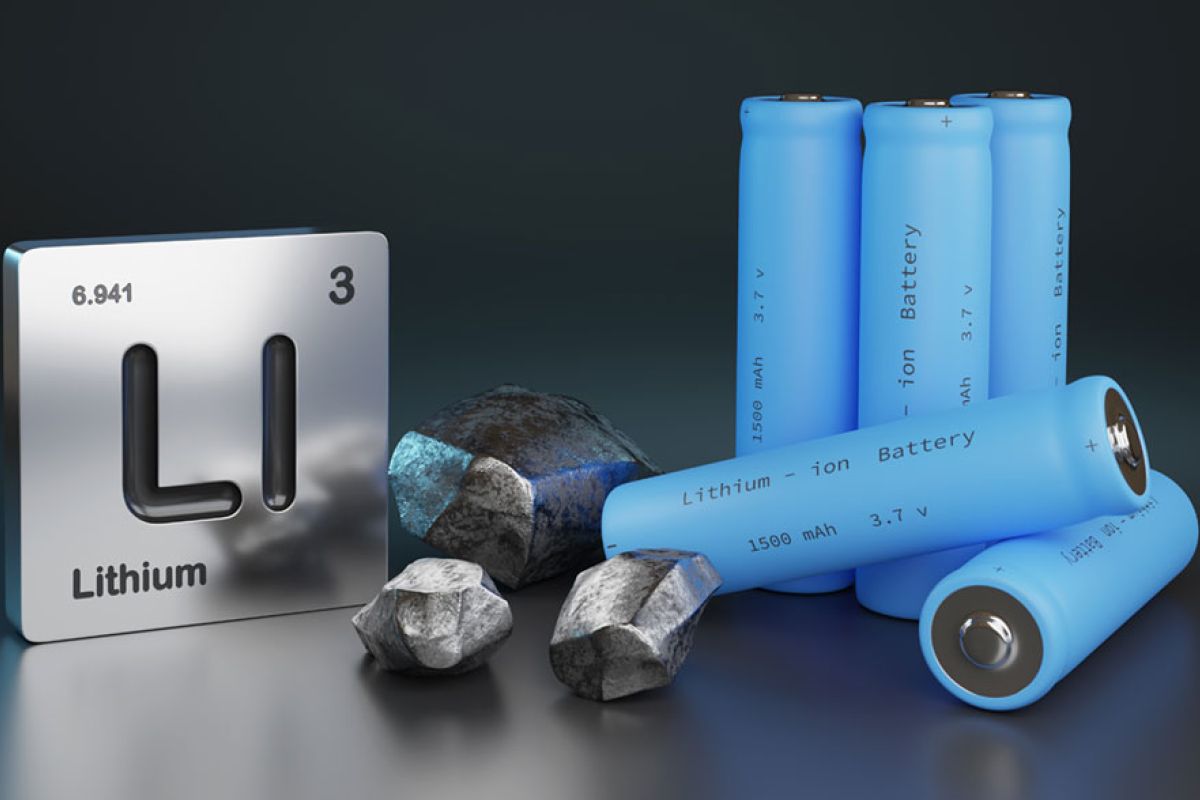
Lithium batteries have become the backbone of modern energy storage, powering everything from smartphones and electric vehicles to home solar systems. Their popularity stems from high energy density, long lifespan, and the ability to support the shift toward cleaner energy. Understanding how lithium batteries are made provides insight into the complexity of their design, the importance of safe manufacturing, and the advancements driving future innovation.
Raw Materials Used in Lithium Battery Production
The manufacturing process starts with essential raw materials, including lithium, cobalt, nickel, graphite, and manganese.
- Lithium offers high energy storage capabilities as part of both the electrolyte and the cathode.
- Cobalt and nickel enhance stability and performance.
- Graphite serves as the primary material for anodes.
- Manganese improves energy density and durability.
Sourcing these materials responsibly is critical. Growing environmental concerns and ethical mining practices are shaping how the industry operates. To see how these materials are applied across different solutions, check EPEVER’s detailed batteries overview showcasing various types of lithium-based storage technologies.
Electrode Preparation
Electrode preparation is one of the most critical steps in battery production:
- Cathode and Anode Composition: Cathodes are made from lithium metal oxides, while anodes are typically graphite-based.
- Mixing and Coating: Materials are combined with binders and coated onto thin metal foils.
- Impact on Performance: The quality of electrodes directly affects a battery’s capacity, efficiency, and lifespan.
Cell Assembly Process
Once electrodes are prepared, cells are assembled using either stacking or winding techniques:
- Stacking vs. Winding: Stacked cells are often used for larger formats requiring high stability, while wound cells are common in cylindrical designs. In LiFePO₄ manufacturing, stacking combined with stable LFP chemistry ensures mechanical integrity and consistent performance.
- Separators and Electrolytes: Separators prevent short circuits, and electrolytes allow ions to move between electrodes. The use of a solid-state electrolyte in advanced designs removes liquid components, eliminating leakage risks and reducing the possibility of combustion while maintaining reliable ion transfer.
- Quality Control: Precision in assembly ensures consistent performance and safety. Cells undergo strict evaluations, including extreme stress tests such as nail penetration and cutting. Even when subjected to such conditions, they remain electrically stable without fire or smoke. Certification to IEC, UN, and RoHS standards further verifies compliance with global safety and environmental requirements.
This approach creates cells that combine structural strength, thermal stability, and proven safety for a wide range of energy storage applications.
Electrolyte Filling and Sealing
Electrolytes, typically liquid or gel-based, are introduced to facilitate ion transfer inside the battery.
- Filling Process: Carried out under strict conditions to prevent contamination.
- Vacuum Sealing: Protects the internal components from moisture and ensures long-term durability.
- Safety Measures: Proper sealing helps prevent leaks and reduces fire risk.
Formation and Aging
Newly assembled cells undergo initial charging known as the formation cycle:
- Formation Cycle: Stabilizes internal chemical reactions for safe use.
- Testing and Grading: Ensures the cells meet strict capacity and safety standards.
- Aging: Simulates long-term usage to verify performance over time.
Battery Pack Integration
Individual cells are combined into modules and packs to deliver the higher voltage and capacity required for real-world use. A Battery Management System (BMS) is essential at this stage. It monitors each cell’s temperature, voltage, and current to prevent overcharging, overheating, or imbalance that could reduce performance or cause failure.
Modern BMS units also add smart features such as real-time monitoring and automatic balancing, ensuring the pack runs efficiently and safely over its entire lifespan. This level of control forms the foundation of solutions like EPEVER’s complete battery storage system, built for dependable energy management in residential and commercial settings.
Applications of Manufactured Lithium Batteries
Lithium batteries are essential in:
- Consumer Electronics: Smartphones, laptops, and other portable devices.
- Renewable Energy Systems: Solar and wind-powered installations for homes and businesses.
Future of Lithium Battery Manufacturing
The industry is evolving toward safer, more efficient technologies:
- Solid-State Batteries: Removing liquid electrolytes for improved safety and higher energy density.
- Sustainability: Incorporating recycling processes and greener chemistry to reduce environmental impact.
- Cost and Performance Improvements: Innovations are lowering production costs while boosting output.
Conclusion
Manufacturing lithium batteries involves a series of complex, carefully managed steps, from sourcing raw materials to integrating intelligent battery packs. Each phase contributes to the performance, safety, and sustainability of modern energy solutions. For a closer look at how these technologies translate into practical applications, explore EPEVER’s batteries overview and discover their complete battery storage system built to meet today’s growing energy demands.