Post Preview
Key Takeaways
- Consumer feedback drives meaningful innovation in beauty products.
- Inclusive design ensures products cater to a diverse audience.
- Technological advancements, guided by user input, enhance the beauty experience.
Innovation in the beauty industry is increasingly driven by real people—consumers who share their hopes, needs, and honest critiques. Today’s leading brands recognize that genuine feedback isn’t just helpful; it’s essential to crafting products that stand out and stay relevant in a crowded market. One of the most effective strategies brands use to gather reliable input is through beauty product testing panels, which connect companies directly with the individuals who matter most—their customers. By tapping into these panels, companies can gain firsthand insights that help them fine-tune formulations, packaging, and marketing strategies long before products hit the shelves. Beyond aiding with product development, this approach fosters a sense of inclusion and empowerment for everyday people, whose voices are helping to set new standards in the industry.
The Power of Consumer Feedback
Real-time feedback is pivotal in identifying market gaps and consumer pain points. Listening to the needs of diverse customers helps brands adapt quickly, responding with solutions that often outperform products developed solely in-house. By inviting customers to be part of the process, companies build a foundation of trust, which translates into brand loyalty and word-of-mouth advocacy. For example, collaborative platforms and feedback loops allow users to share everything from product performance to desired improvements, giving beauty brands a direct line to their audience. This ongoing conversation is the engine behind many of today’s most successful product launches, as highlighted by Marie Claire, which details how this feedback generates award-winning formulas and breakthrough innovations.
Inclusive Design: Catering to All
Diversity and inclusivity are central to the contemporary beauty movement. Products must not only appeal to the masses but also cater to a spectrum of skin types, tones, abilities, and preferences. The shift toward inclusive design is guided not only by social responsibility but also by real-life stories and recommendations from underrepresented consumers. Notably, disability advocate Maya Moore has emphasized the importance of developing universally designed beauty tools that are easy for everyone, regardless of physical ability. These innovations—like adaptive packaging or easier-to-grip applicators—improve the experience for both disabled and non-disabled consumers alike, further expanding a brand’s reach and impact (Who What Wear).
Technological Innovations Guided by Users
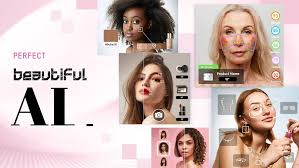
Technology plays a crucial role in the modern beauty experience, but the most successful advances are grounded in consumer insights. Brands leverage digital feedback, surveys, and community testing to develop cutting-edge tools—such as AI-powered skincare diagnostics and personalized product recommendations—that are genuinely helpful for end users. For instance, AI-driven apps can now assess skin health and produce customized regimens, but their efficacy depends on large datasets fueled by consumer input. This data-driven approach ensures new technology solves customer problems, and the results speak for themselves: increased engagement, better product efficacy, and a higher customer satisfaction rate.
Biotech Ingredients: A Sustainable Shift
Sustainability has become a driving force behind consumer choices in the beauty industry. Today’s skincare enthusiasts seek products that deliver results and reflect their commitment to environmental responsibility. This growing demand fuels the rise of biotech ingredients—lab-grown or sustainably sourced alternatives to traditional compounds. Forward-thinking beauty brands invest in scientifically advanced formulations that reduce environmental impact without compromising performance. These innovations are often inspired by the voices of eco-conscious consumers, whose expectations are reshaping how ingredients are sourced, developed, and manufactured. Biotech ingredients offer a compelling fusion of efficacy and sustainability, positioning them as key players in the future of skincare and personal care.
Personalized Beauty Experiences
Personalization has gone from a luxury to a necessity in beauty. Brands are increasingly relying on consumer data to create tailored experiences and recommendations. Through technology and direct user feedback, companies provide a highly individualized approach, whether suggesting color palettes, formulating skincare, or creating unique fragrance blends. This deeper understanding enables brands to address specific concerns and make every customer feel seen and valued. Feedback is the connective tissue of personalization—customers reveal what they love or need, and brands respond with targeted solutions that strengthen brand loyalty and advocacy.
Transparency and Trust
Modern consumers are more educated and inquisitive about the ingredients in their beauty products. They expect brands to be transparent about sourcing, formulation, and ethics. Openly sharing this information builds trust and loyalty, setting apart brands committed to integrity from those that are not. Transparency also means openly addressing mistakes or recalls, involving customers in the process, and continuing the conversation about ethical standards. This approach satisfies consumer curiosity and raises the bar for responsible industry practices.
Conclusion
At the heart of beauty product innovation are real people whose voices and needs shape the industry’s direction. Engaging with consumers through panels, surveys, and ongoing dialogue ensures that new products are inclusive, effective, and reflective of diverse perspectives. Brands prioritizing this consumer-centric philosophy will thrive by creating beauty experiences that matter to everyone, everywhere.