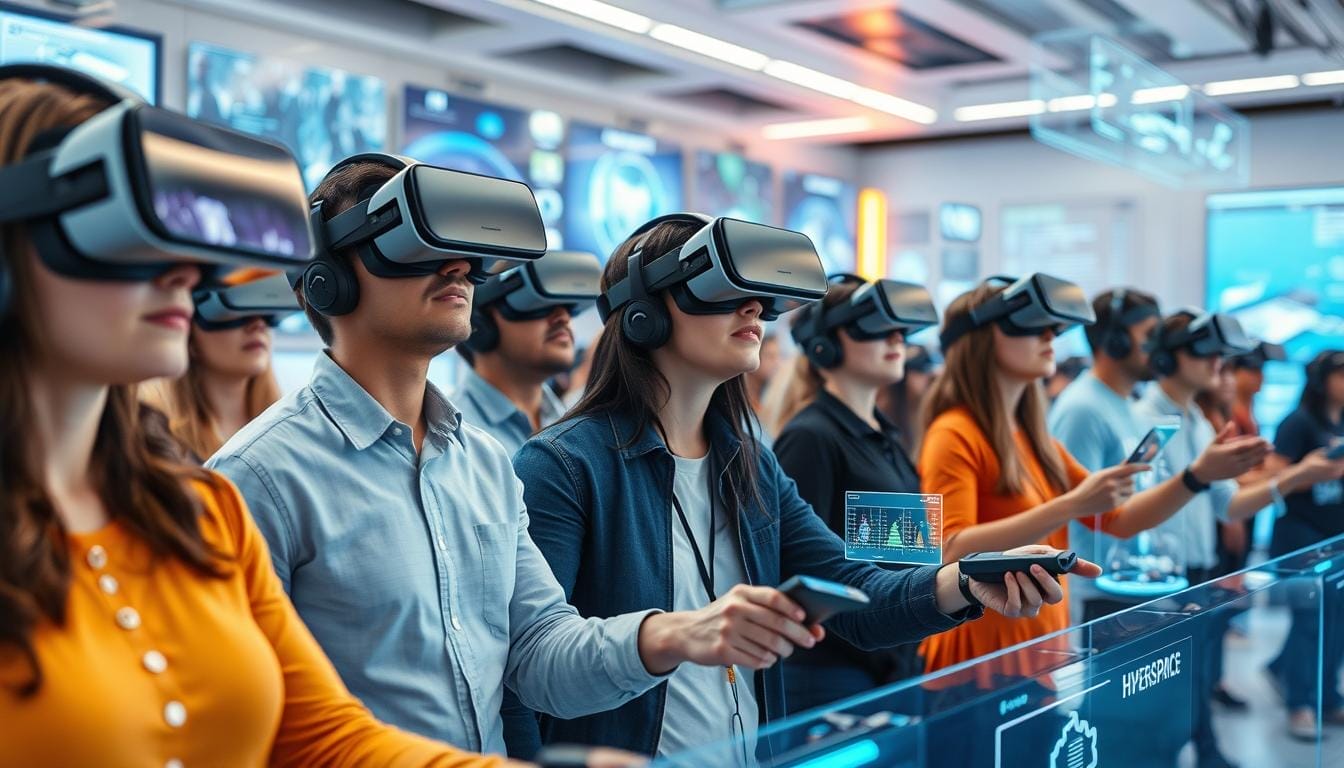
In recent years, the way we learn new skills and acquire knowledge has evolved dramatically. Among the most groundbreaking developments is VR training, an innovative approach that leverages virtual reality to create immersive learning environments. From corporate training sessions to hands-on technical skill development, VR training offers a unique way to engage learners, enhance retention, and reduce the risks associated with real-world practice. But what exactly is VR training, and why is it becoming such an essential tool for modern education and workforce development? Let’s dive into the details.
Understanding the Concept of VR Training
At its core, vr training uses virtual reality technology to simulate real-life scenarios in a fully immersive digital environment. This means learners can interact with 3D models, environments, and situations as though they were physically present. The advantage here is the ability to practice, experiment, and learn without the limitations or risks of the physical world. Whether it’s medical students practicing surgery or factory workers learning how to operate complex machinery, VR training provides a safe and effective way to gain practical experience.
The Technology Behind VR Training
To deliver effective VR training experiences, a combination of hardware and software is required. On the hardware side, learners typically wear VR headsets equipped with motion sensors and hand controllers to interact with the virtual environment. These devices track the user’s movements, ensuring the virtual world responds naturally to their actions. On the software side, specialized VR training programs are developed to simulate scenarios with high levels of detail and realism. The result is a seamless blend of technology and education that brings learning to life in ways traditional methods cannot match.
Advantages of VR Training for Learners and Organizations
One of the biggest reasons companies and educational institutions are adopting VR training is its ability to improve learning outcomes. By engaging multiple senses, VR boosts knowledge retention rates compared to conventional classroom or video-based training. It also provides learners with the chance to make mistakes and learn from them without any real-world consequences. For organizations, VR training reduces the costs associated with physical training facilities, equipment wear and tear, and trainer supervision. Additionally, it allows for consistent training experiences across different locations, ensuring all learners receive the same level of instruction.
Real-World Applications of VR Training
The potential applications of VR training span across industries. In healthcare, it allows medical professionals to practice complex surgical procedures in a risk-free environment. In manufacturing, workers can learn to assemble machinery or troubleshoot issues without stopping production lines. In aviation, pilots use VR to practice emergency procedures and improve reaction times. Even in customer service, VR training can simulate challenging client interactions, helping employees develop communication and problem-solving skills. This versatility makes VR training a valuable investment for virtually any sector.
How VR Training Enhances Safety and Reduces Risk
One of the most compelling benefits of VR training is its ability to prepare individuals for high-risk situations without exposing them to actual danger. For example, firefighters can train for hazardous fire scenarios, and oil rig workers can simulate emergency evacuations, all within a virtual space. By practicing in VR, trainees can gain the confidence and skills needed to handle these situations in real life, which significantly improves workplace safety and preparedness. This proactive approach to safety training can save lives and prevent costly accidents.
The Role of VR Training in Remote Learning
As remote work and online education become more prevalent, VR training offers a way to bridge the gap between theory and hands-on experience. Traditional e-learning often lacks the practical component necessary for skill mastery, but VR brings that missing element into the digital sphere. Remote learners can now participate in realistic training sessions from anywhere in the world, provided they have the necessary VR equipment. This flexibility not only increases accessibility but also helps organizations train global teams efficiently.
Challenges and Considerations in Implementing VR Training
While VR training offers many benefits, it’s important to acknowledge potential challenges. The initial cost of VR equipment and custom software development can be high, making it a significant investment for some organizations. There’s also the need for technical support and updates to ensure the system runs smoothly. Additionally, some learners may experience motion sickness or require time to adapt to the virtual environment. However, as VR technology continues to advance and become more affordable, these barriers are steadily decreasing.
The Future of VR Training: What to Expect
The future of VR training is incredibly promising. As VR technology becomes more sophisticated, training scenarios will become even more realistic and interactive. Artificial intelligence is expected to play a significant role, enabling adaptive learning experiences that adjust to each individual’s performance and needs. Moreover, the integration of haptic feedback devices will allow users to “feel” virtual objects, further enhancing the realism of training. With these advancements, VR training will not only continue to revolutionize education but also become a standard practice across industries worldwide.
Final Thoughts: Unlocking Potential with VR Training
In summary, VR training represents a powerful shift in how we approach learning and skill development. By immersing learners in realistic scenarios, it bridges the gap between theory and practice in a way no other training method can. From improving safety to increasing engagement, its benefits are far-reaching and adaptable to countless industries. As technology continues to evolve, VR training will undoubtedly become an integral part of professional development, empowering individuals and organizations to achieve greater efficiency, confidence, and success in an increasingly digital world.