In today’s world, we are often vigilant about the dangers around us—pollution, food safety, and infectious diseases. However, some threats remain largely invisible, silently impacting health over time. One such hidden peril is plumbism, commonly known as lead poisoning. Despite advances in public health, lead exposure continues to pose a significant risk, especially to children and vulnerable populations. Understanding what plumbism is, how it happens, and its consequences is crucial for prevention and protection.
What is Plumbism?
Plumbism is the medical term for lead poisoning. It occurs when lead—a heavy metal—builds up in the body, often over months or years. Lead is naturally occurring but becomes toxic when ingested or inhaled in significant amounts. It has no safe level of exposure, and even small quantities can cause serious health issues.
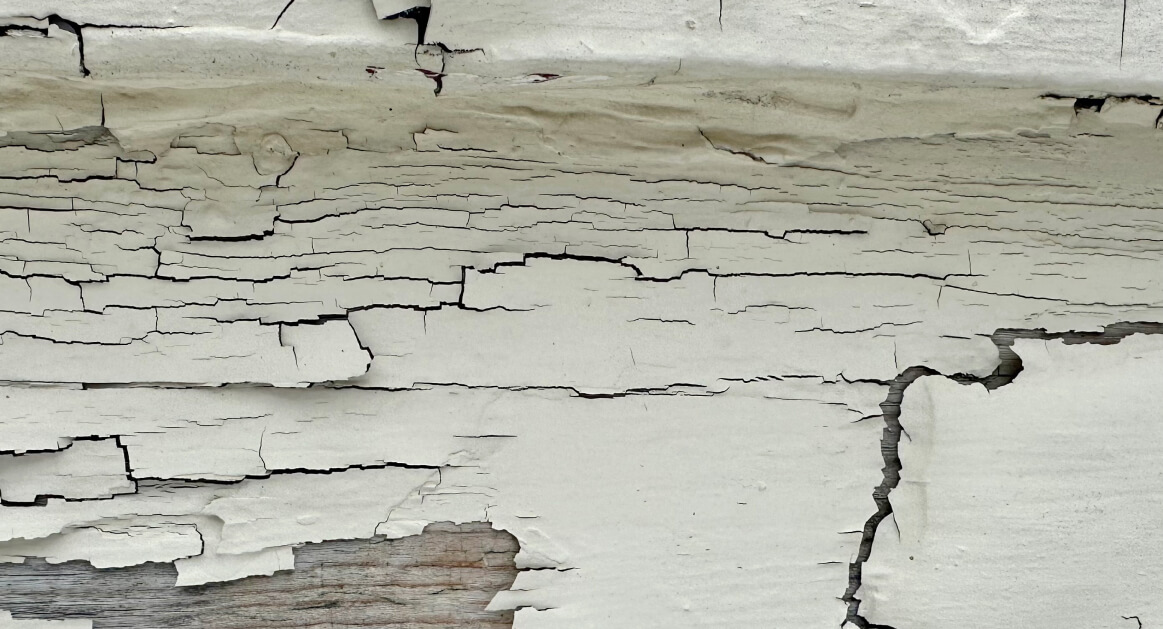
Historically, lead was widely used in plumbing, paints, gasoline, and many household products. Although many countries have restricted or banned lead in consumer products, older buildings and certain environments still harbor this hazardous metal. Lead exposure can come from contaminated water, peeling paint, soil, or occupational hazards.
How Does Lead Enter the Body?
Lead enters the body primarily through:
- Ingesting lead-contaminated dust, soil, or paint chips: This is especially common in older homes with lead-based paint.
- Drinking water contaminated by lead pipes or solder: Lead can leach into drinking water from plumbing systems made with lead.
- Inhalation of lead particles or fumes: Common in workplaces like construction sites or battery recycling plants.
- Consuming contaminated food or traditional medicines: Some imported products may contain lead.
Children are particularly vulnerable because they tend to put objects in their mouths and absorb lead more efficiently than adults.
The Effects of Plumbism on Health
The effects of lead poisoning can be severe and wide-ranging. Lead interferes with many bodily functions, especially in the brain and nervous system.
1. Neurological Effects
Lead poisoning is notorious for its impact on the brain. In children, even low levels of lead can cause:
- Developmental delays
- Learning difficulties
- Reduced IQ
- Behavioral problems, such as hyperactivity and attention disorders
In adults, high lead exposure may result in memory loss, mood disorders, and reduced cognitive function.
2. Physical Symptoms
Lead poisoning can cause a variety of physical symptoms, though they often develop gradually and may be overlooked:
- Abdominal pain and cramping
- Fatigue and weakness
- Headaches
- Joint and muscle pain
- Constipation
- Loss of appetite and weight loss
Severe cases may lead to seizures, coma, or even death if untreated.
3. Other Organ Damage
Lead can harm the kidneys, cardiovascular system, and reproductive organs. Chronic exposure increases risks of hypertension, kidney disease, and complications during pregnancy.
Why is Plumbism Called “The Silent Danger”?
One of the most alarming aspects of plumbism is its subtle onset. Symptoms may be vague, intermittent, or mistaken for other illnesses, making diagnosis challenging. Lead accumulates slowly, and damage to organs and tissues happens over time without immediate warning signs.
Because of this silent progression, many people—especially children in at-risk environments—may suffer the long-term consequences of lead poisoning without realizing it.
Diagnosing Lead Poisoning
The only way to confirm plumbism is through blood tests that measure lead levels. Healthcare providers may recommend screening for children living in older homes or areas with known contamination. Early diagnosis is vital to prevent irreversible damage.
Preventing Lead Exposure
Prevention is the best defense against plumbism. Here are some practical steps to minimize lead exposure:
- Test your home for lead: Especially if your house was built before 1978, when lead-based paint was banned in many countries.
- Replace lead plumbing: Use certified lead-free pipes and fixtures for drinking water.
- Keep children away from peeling paint and contaminated soil: Regular cleaning can reduce dust and soil ingestion.
- Use cold water for drinking and cooking: Hot water leaches more lead from pipes.
- Practice good hygiene: Wash hands and toys frequently, particularly for young children.
- Be cautious with imported products: Some toys, jewelry, and traditional remedies may contain lead.
- Occupational safety: If your job involves lead exposure, follow workplace safety guidelines strictly.
Treatment for Plumbism
If detected early, lead poisoning can be managed. The primary treatment involves removing the source of lead exposure. In more severe cases, chelation therapy—a medical process that binds lead so it can be excreted from the body—may be necessary.
However, treatment cannot reverse all damage, particularly neurological effects in children. This underscores the importance of prevention and early detection.
The Bigger Picture: Lead Poisoning and Public Health
Lead poisoning remains a global public health issue. Many low-income communities disproportionately suffer from lead exposure due to aging infrastructure, poor housing, and industrial pollution. Addressing plumbism requires coordinated efforts from governments, healthcare providers, and communities to enforce regulations, improve housing, and raise awareness.
In Conclusion
Plumbism truly represents a “silent threat.” Its subtle and gradual damage can lead to serious, lifelong consequences, especially affecting children’s growth and development. Knowing how lead poisoning occurs and identifying potential risks are crucial to keeping yourself and your family safe.
If you think you might be exposed to lead, don’t wait—take action now. Lead testing is readily available in Salt Lake City, offering a vital first step toward prevention and early treatment. By testing, preventing further exposure, and seeking timely care, you can protect health and potentially save lives.
Ultimately, the strongest defense against plumbism is awareness combined with prompt action—catching this silent danger before it causes harm.