Clean water is essential, but its quality impacts more than just health—it can affect appliances, fixtures, skin, hair, and even how well soap works. Hard water, chlorine, and other contaminants may cause issues like stains, unpleasant tastes, and damage over time. Understanding your water quality is key to protecting your home and family.
The Hidden Costs of Poor Water Quality
Poor water quality doesn’t just affect taste—it hits your wallet too. Hard water, which contains high levels of calcium and magnesium, can reduce the lifespan of water heaters by up to 50%. These minerals build up inside tanks and pipes, creating scale that forces your system to work harder and use more energy.
Your appliances suffer as well. Dishwashers, washing machines, and coffee makers all perform poorly when dealing with hard water or high mineral content. You might notice white film on dishes, dingy laundry that never seems truly clean, or coffee that tastes off despite using quality beans.
Plumbing systems bear the brunt of water quality issues over time. Scale buildup reduces water pressure, while acidic water can corrode pipes, leading to leaks and expensive repairs. Homes with older copper or galvanized steel pipes are particularly vulnerable to corrosion from low-pH water.
How Water Quality Affects Daily Life
Cleaning and Laundry Challenges
Hard water makes soap less effective, requiring you to use more detergent to achieve the same results. Clothes may feel stiff or look faded after washing, while soap scum builds up more quickly in showers and sinks. Many homeowners find themselves scrubbing harder and using more cleaning products without understanding that their water quality is the real culprit.
Skin and Hair Health
The minerals and chemicals in your water supply directly contact your skin and hair every time you shower. Hard water can leave skin feeling dry and itchy, while chlorine—commonly used to disinfect municipal water—can strip natural oils from both skin and hair. Some people notice their hair becomes brittle or their skin develops unexplained irritation after moving to a new area with different water quality.
Taste and Cooking Impact
Water quality dramatically affects the taste of beverages and can even influence cooking results. High chlorine levels create an unpleasant taste and odor, while excessive minerals can make tea cloudy or give coffee a bitter edge. Baking can be particularly sensitive to water quality, as mineral content affects how ingredients interact.
Common Water Quality Issues by Region
Different geographic areas face distinct water quality challenges. Coastal regions often deal with higher salt content, while areas with limestone bedrock typically have very hard water. Industrial regions may have higher levels of chemical contaminants, and rural areas relying on well water face different concerns than those connected to municipal systems.
Municipal water supplies are regulated and tested regularly, but they’re not perfect. Treatment plants add chemicals like chlorine for disinfection, and aging infrastructure can introduce contaminants as water travels from treatment facilities to your home. Even properly treated water can pick up minerals from pipes or develop bacterial growth in storage tanks.
Well water presents its own set of challenges. Without regular testing, homeowners may not know what contaminants lurk in their private water supply. Issues can range from naturally occurring minerals and bacteria to agricultural runoff or industrial contamination.
Testing Your Home’s Water Quality
The first step in addressing water quality issues is understanding what you’re dealing with. Home test kits can provide basic information about hardness, pH levels, chlorine content, and common contaminants. These tests are relatively inexpensive and give you a starting point for addressing problems.
For more comprehensive analysis, professional water testing provides detailed information about mineral content, bacterial presence, and potential contaminants. This is particularly important for homes with private wells, but even those on municipal water can benefit from professional testing to identify issues specific to their home’s plumbing system.
Many water problems have obvious signs. Hard water leaves white spots on dishes and creates soap scum buildup. Iron in water causes reddish stains on fixtures and laundry. A rotten egg smell typically indicates hydrogen sulfide gas, while a strong chlorine odor suggests high disinfection chemical levels.
Solutions for Common Water Problems
Water Softening Systems
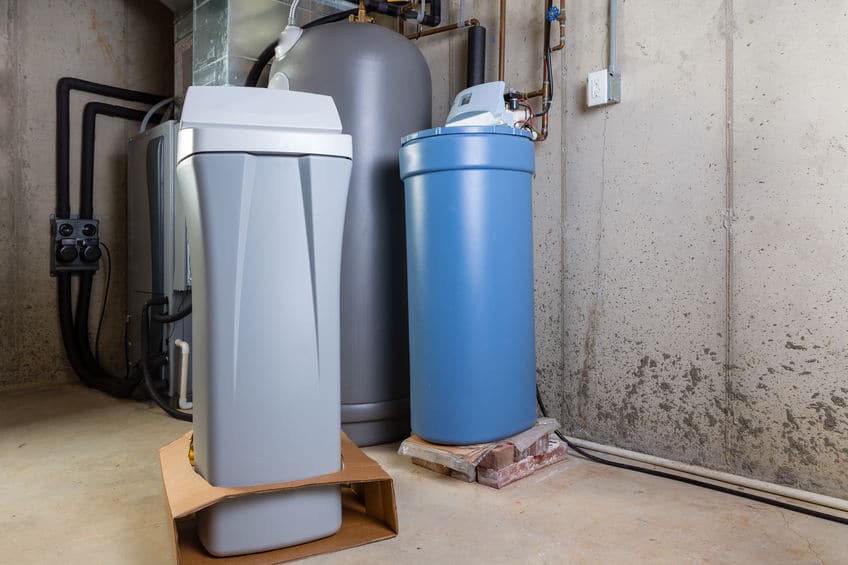
For hard water issues, water softeners like those in Utah remove calcium and magnesium through ion exchange, replacing them with sodium or potassium. This protects appliances, improves soap effectiveness, and eliminates mineral buildup. Modern systems, such as water softeners like those in Utah, are more efficient than older models and can significantly extend appliance life while reducing cleaning time.
Filtration Options
Different filtration systems address various water quality issues. Carbon filters excel at removing chlorine, improving taste and odor. Reverse osmosis systems provide comprehensive filtration, removing a wide range of contaminants including heavy metals and bacteria. Whole-house filtration systems treat all water entering your home, while point-of-use filters target specific areas like kitchen sinks.
UV Disinfection
For homes dealing with bacterial contamination, especially those with private wells, UV disinfection systems kill harmful microorganisms without adding chemicals to the water. These systems are particularly effective when combined with other filtration methods.
Maintenance and Ongoing Care
Installing water treatment systems is just the beginning. Regular maintenance ensures these systems continue working effectively. Water softeners need salt replenishment, filters require regular replacement, and UV systems need annual bulb changes.
Annual water testing helps track changes in your water quality and ensures your treatment systems are working properly. Water quality can change due to seasonal variations, infrastructure changes, or new contamination sources, making ongoing monitoring important.
Conclusion
Improving water quality begins with identifying issues like hardness, taste, or contaminants. Though water treatment systems require an initial investment, they save money over time and protect appliances while improving health and quality of life. Consulting a professional ensures the right solution and proper installation.