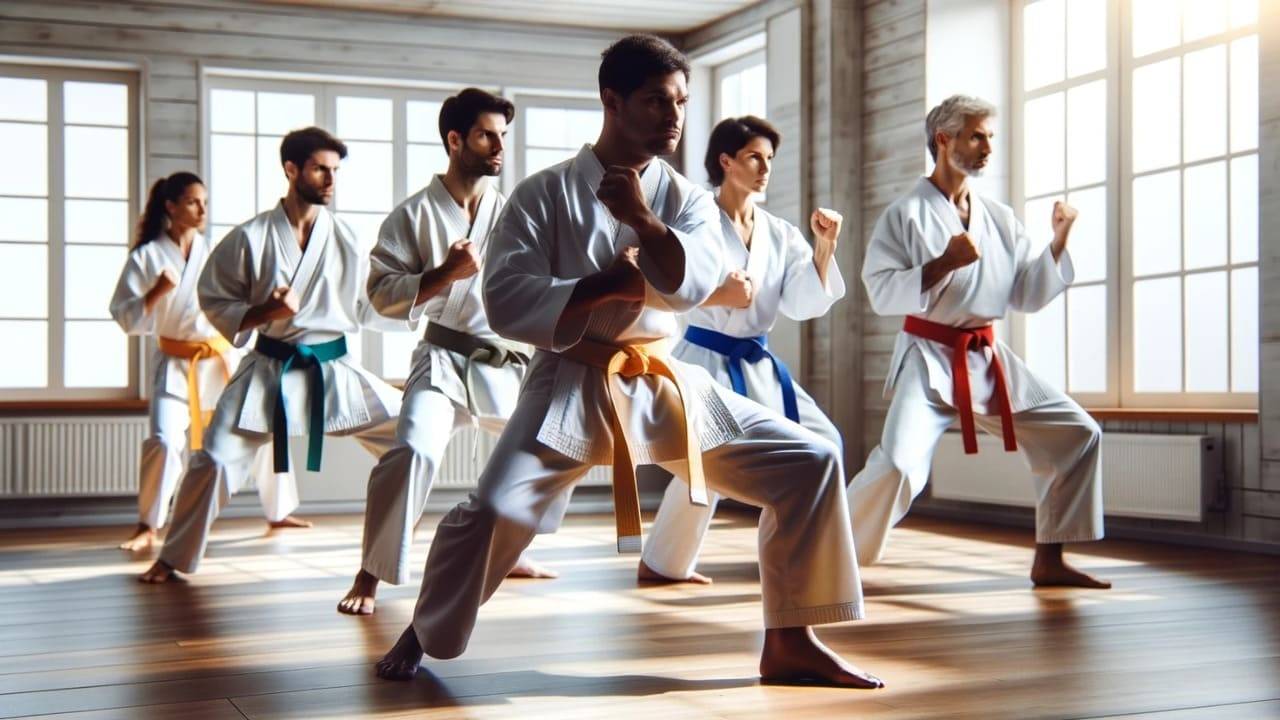
Karate is one of the most respected martial arts in the world, known for its discipline, physical fitness benefits, and practical self-defense skills. While many people associate karate with children’s programs, adult karate classes are equally popular and tailored to the unique needs of grown learners.
Whether you’re looking to improve your fitness, gain confidence, or explore a new hobby, adult karate training can be a life-changing experience. This guide will walk you through everything you need to know — from what to expect in class to the benefits, gear, and tips for success.
What Is Karate?
Karate originated in Okinawa, Japan, and has evolved into a global martial art focused on striking techniques, self-defense, and mental discipline. The term “karate” means “empty hand,” reflecting its focus on unarmed combat.
Modern karate incorporates:
- Punches
- Kicks
- Elbow strikes
- Open-hand techniques
- Blocks and defensive maneuvers
While some karate schools emphasize traditional forms (kata), others focus more on sparring and practical application.
Why Choose Adult Karate Classes?
Unlike children’s karate, adult classes are designed with:
- Higher-intensity training for fitness
- Realistic self-defense applications
- Flexible schedules for busy lifestyles
- Advanced technical instruction for mature learners
It’s never too late to start. Many adults begin karate in their 30s, 40s, or even 60s and still reach high levels of proficiency.
Benefits of Karate for Adults
Karate offers a well-rounded set of physical, mental, and social benefits.
1. Physical Fitness
Karate training improves:
- Cardiovascular endurance
- Muscle strength and tone
- Flexibility and coordination
Classes are a mix of aerobic and anaerobic exercise, making them ideal for weight loss and overall health.
2. Self-Defense
Karate provides practical self-defense skills, helping you react effectively in threatening situations.
3. Stress Relief
Punching, kicking, and focused drills release tension and reduce anxiety.
4. Mental Discipline
Karate fosters patience, perseverance, and focus — traits that carry over into daily life.
5. Confidence Boost
Progress in belt ranking and skill mastery builds self-esteem.
What to Expect in an Adult Karate Class
Karate classes typically follow a structured routine.
Warm-Up (10–15 minutes)
- Light cardio (jogging, jumping jacks)
- Dynamic stretching
- Mobility exercises
Technique Practice (20–30 minutes)
- Stances (Zenkutsu-dachi, Kokutsu-dachi, etc.)
- Strikes (punches, kicks, elbows)
- Blocks (upper, middle, and low-level)
- Kata (pre-arranged forms)
Partner Drills (15–20 minutes)
- One-step sparring (Ippon Kumite)
- Self-defense scenarios
- Controlled partner exercises
Sparring (Optional, 10–15 minutes)
- Light to full-contact practice depending on skill level
- Helps improve reaction time and decision-making
Cool Down (5–10 minutes)
- Static stretching
- Breathing exercises for recovery
Different Styles of Karate for Adults
Shotokan Karate
- Emphasizes deep stances and powerful techniques
- Focus on kata and traditional training
Goju-Ryu Karate
- Combines hard strikes with soft circular movements
- Emphasis on breathing techniques
Shito-Ryu Karate
- Blends elements of other styles with a wide range of katas
Wado-Ryu Karate
- Incorporates jujutsu-style movements for evasion and redirection
Equipment Needed for Adult Karate Training
When starting karate, you’ll need:
- Karate Gi (Uniform) – Lightweight, comfortable cotton suit
- Belt (Obi) – Color indicating your rank
- Protective Gear – Mouthguard, sparring gloves, shin pads
- Optional – Groin protector, chest guard, headgear
How Long Does It Take to Get a Black Belt in Karate?
The timeline varies based on:
- Training frequency
- School’s curriculum
- Personal commitment
For most adults training 2–3 times per week, reaching black belt takes around 3–5 years.
Tips for Success in Adult Karate Classes
- Be Consistent – Attend classes regularly
- Practice at Home – Reinforce what you’ve learned
- Set Goals – Short-term (improving a kata) and long-term (belt promotions)
- Stay Patient – Progress in martial arts takes time
- Listen to Feedback – Your instructor’s guidance is key
Karate for Adults Over 40 or 50
Karate is adaptable for older adults. Many schools modify techniques to accommodate:
- Limited flexibility
- Previous injuries
- Lower impact needs
The focus shifts toward controlled techniques, fitness, and mental sharpness rather than high-impact competition.
How to Choose the Right Karate School for Adults
When selecting a dojo, consider:
- Instructor qualifications and experience with adult learners
- Class schedules that suit your availability
- Clean, well-equipped training facilities
- A balance of traditional discipline and modern training methods
- Opportunities for progression and competition (if desired)
The Belt Ranking System in Karate
Karate uses a kyu/dan system:
- Kyu ranks – Beginner to intermediate (white belt to brown belt)
- Dan ranks – Black belt levels
Each belt requires proficiency in specific techniques, kata, and sparring skills.
Common Misconceptions About Adult Karate
- “I’m too old to start.” – Karate welcomes beginners at any age.
- “You have to be flexible.” – Flexibility improves with training.
- “It’s just for fighting.” – Karate is about self-improvement, not aggression.
Conclusion
Adult karate classes are a powerful way to improve your health, sharpen your mind, and develop valuable self-defense skills. With structured training, supportive instructors, and a welcoming community, karate can become more than just a hobby — it can be a lifelong journey of discipline and personal growth.
Whether you’re in your 20s or your 60s, the best time to start your karate journey is now. All you need is commitment, an open mind, and the willingness to take that first step onto the dojo floor.