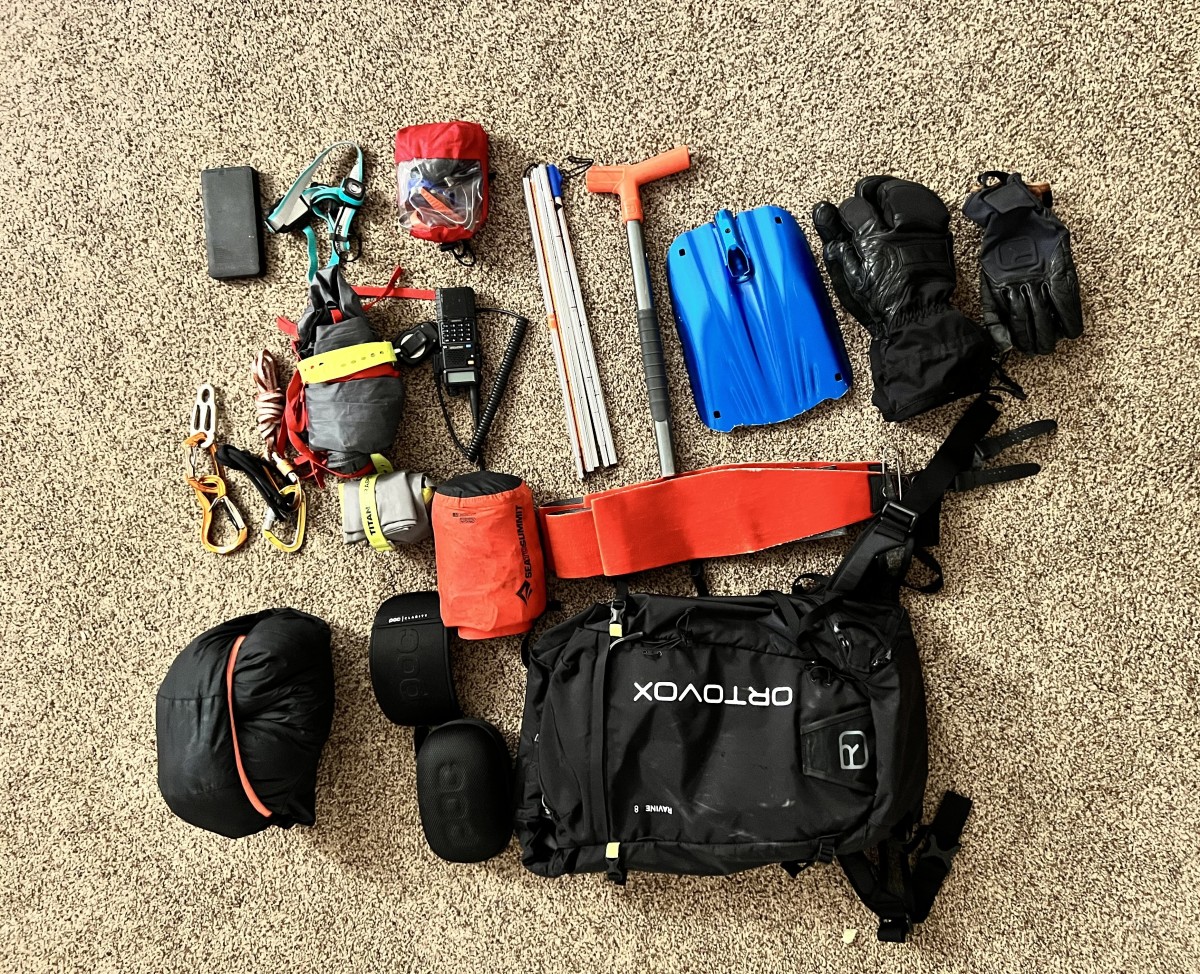
Backcountry skiing offers a lot. You will experience breathtaking views, intact powder, and an unparalleled sense of freedom. However, this type of adventure comes with challenges and risks that demand knowledge, preparation, and the right type of mindset.
When you are heading out on a backcountry ski adventure, whether it is just a day trip or a multi-day excursion, you need to get ready. In this post, three key tips are outlined to help you prepare adequately for the experience.
Prepare the Necessary Gear
When preparing for backcountry skiing, a combination of specialized equipment and vital safety gear is needed. It is best to start with the basics when you pack essential backcountry skiing gear, such as alpine touring skis, boots designed for uphill travel, poles, and skins. You should also include an adjustable, reliable backpack that can be used to carry essential items like emergency gear, food, layers, and water.
A backcountry safety kit is also a must. This kit should include an avalanche transceiver, probe, and shovel; it is vital to learn how to use these items, too, but this will be explained further later. Other critical pieces of equipment will include a first-aid kit, a GPS device or map, a headlamp, and so on. These items are vital to help you cope if the unexpected occurs.
As layering is key, you will need to wear the right type of clothing. Skiers should dress in moisture-wicking base layers, an insulating mid-layer, and a waterproof outer shell. Some accessories will be needed as well, including eye protection, gloves, and a hat. Having the right clothes will help you be ready for weather changes, which can be common in the mountains.
Learn about Avalanche Safety
Having an understanding of avalanche safety isn’t optional when backcountry skiing; it is an absolute necessity. There are avalanche safety courses, such as AIARE 1 or similar, that can be taken before venturing out. These courses teach essential skills in decision-making, rescue, and terrain assessment.
Throughout your trip, you should check the local avalanche forecast each day that you plan to ski. This forecast must be obtained from a reputable source like a regional avalanche center. You can use this information to assess the risk level of the slopes and avoid terrain that is prone to slides, particularly during or after heavy snowfall or wind loading. The season will also change the risks, with spring and summer causing spiking temperatures.
In avalanche-prone zones, travel one at a time. You should have the knowledge to read and interpret terrain features to make this safer. Plus, as you will be carrying your beacon, probe, and shovel, you can act accordingly. It is important, though, to keep these items on your body; do not store them in your pack.
Consider Your Fitness and Skills
It is obvious that backcountry skiing is a physically demanding sport. You will be climbing uphill for houses before taking your turn down the slopes, and you will be carrying your gear at all times. This is why you must make sure your cardiovascular fitness and leg strength are in fine form. Before heading on your trip, you can take up cycling, hiking, strength training, and other forms of exercise to prepare.
Your skiing ability should also be considered. As the terrain is often unpredictable and variable, you should expect everything from breakable wind slabs to crust to powder when backcountry skiing. Before you even begin to think about skiing out of bounds, you will need to be comfortable skiing black diamond runs inbounds.
To conclude, backcountry skiing can be a very rewarding experience, but only when it is approached with the right preparation and sufficient respect. By using the tips outlined in this post, you will be adequately prepared to explore safely on backcountry ski adventures.