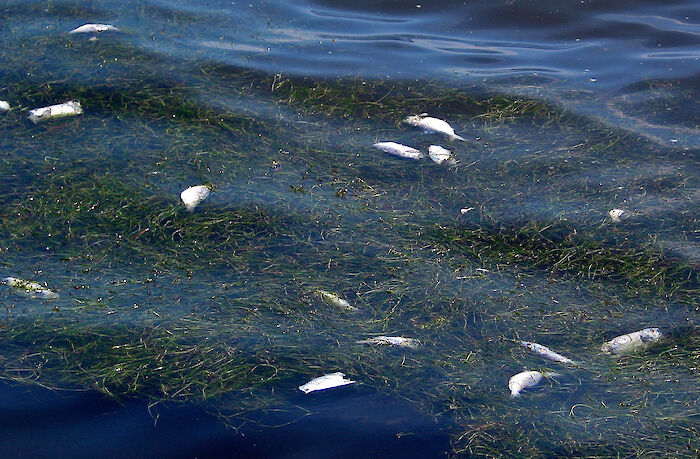
Stormwater contamination continues to be one of the most pressing environmental challenges faced by communities today. When rainwater flows over impervious surfaces like roads, rooftops, and parking lots, it collects a range of pollutants and carries those contaminants into nearby streams, rivers, and lakes. Without effective mitigation strategies, this runoff can negatively impact ecosystems, water quality, and public health. Reducing stormwater contamination requires a combination of practical solutions, proactive planning, and conscious efforts at every level of society.
What Causes Stormwater Contamination?
Stormwater becomes contaminated as it travels over surfaces and picks up harmful substances. These pollutants eventually end up in water bodies, such as rivers or oceans, without undergoing filtration or treatment. Here are some key contributors:
Residential and Urban Areas
Urbanization is one of the biggest drivers of stormwater contamination. Paved areas like roads and sidewalks limit soil absorption, causing water to flow rapidly into storm drains.
- Common Pollutants: Oil, grease, litter, detergents, and pet waste frequently end up in stormwater from residential areas.
- Contributing Factors: Fertilizers and pesticides from lawns are washed into drains, adding to the nutrient load in receiving water bodies.
Industrial and Construction Activities
Industrial zones and construction sites are hotspots for stormwater pollution. They often expose bare soil and involve the use of chemicals that can enter the water supply.
- Risks: Dust, sediment, heavy metals, and hazardous materials can be transported easily during rainfall.
- Lack of Controls: Without proper management plans, runoff from these sites affects nearby aquatic ecosystems.
Agricultural Runoff
Agriculture is another significant source of contamination, contributing pollutants like fertilizers, pesticides, and livestock waste. These nutrient-rich contaminants can cause algae blooms and oxygen depletion in water systems.
Natural Sources
Even natural elements such as soil erosion and decaying organic matter add pollutants to stormwater. Although these are not human-caused threats, they are exacerbated by deforestation and land-use changes.
The Environmental Impacts of Stormwater Contamination
When contaminants from urban, industrial, and natural sources enter waterways, the consequences can be severe and far-reaching.
Degraded Water Quality
Pollutants degrade the quality of water, making it unsafe for human consumption or recreational use. High levels of contaminants like oil, heavy metals, or nutrients can render water toxic to aquatic life.
Damage to Aquatic Ecosystems
Excess nutrients from agricultural or residential runoff promote the growth of algae, leading to harmful algal blooms. These blooms deplete oxygen levels in water, endangering fish and other marine organisms.
Increased Flood Risks
Impervious surfaces not only increase pollution but also lead to higher volumes of runoff. This surge can overwhelm drainage systems, causing localized flooding that damages infrastructure.
Soil and Habitat Erosion
Stormwater contamination can erode riverbanks and coastlines, damaging habitats for plants and animals. Preserving soil integrity is essential for maintaining these ecosystems.
Strategies to Reduce Stormwater Contamination
Reducing stormwater contamination requires a multifaceted approach. Individuals, businesses, and governments all have a role to play in implementing practical strategies.
Implement Sustainable Urban Development
Green infrastructure can significantly reduce runoff and filter contaminants before they reach waterways.
- Rain Gardens: These landscaped areas are designed to absorb stormwater and filter pollutants naturally.
- Permeable Pavements: Roads and sidewalks made of permeable materials allow water to infiltrate the ground, reducing runoff.
- Green Roofs: Vegetated rooftop systems capture and slow rainwater, easing the burden on urban drainage systems.
Create and Enforce Stormwater Plans
Stormwater pollution prevention plans (SWPPPs) play a critical role in managing runoff effectively. Developing localized plans tailored to a region’s specific challenges is essential, as evidenced by initiatives like SWPPP in Utah. These plans focus on controlling activities at construction sites, industrial facilities, and other key locations to minimize polluted stormwater discharge.
Encourage Proper Waste Disposal
Simple habits like proper disposal of waste, chemicals, and yard debris can drastically decrease contaminants in runoff. Key community-based solutions include:
- Hazardous Waste Collection: Providing drop-off sites for paints, oils, and batteries prevents these substances from entering water systems.
- Street Sweeping Programs: Regular cleaning of urban roads removes debris and pollutants before they’re swept away by rain.
- Pet Waste Stations: Designated bins and bags encourage responsible cleanup of pet waste in public areas.
Promote Agricultural Best Practices
Innovative approaches in agriculture can drastically lessen the environmental impact of farming.
- Buffer Strips: Planting vegetation along rivers or streams filters runoff and protects natural habitats.
- Controlled Irrigation: Efficient watering techniques prevent excess water from carrying away fertilizers and soil.
- Crop Rotation: Alternating crops reduces soil erosion and nutrient depletion, improving runoff management.
Public Education and Outreach
Awareness campaigns help individuals understand how their habits contribute to stormwater contamination. By educating the public about the need for sustainable practices, communities can encourage long-lasting behavioral change.
Conclusion
Protecting waterways from stormwater contamination is an ongoing challenge that requires innovation, collaboration, and education. Communities should strive to adopt environmentally friendly practices, enforce regulatory measures, and leverage advanced technologies to build resilience against pollution. By taking action now, we can safeguard our streams, rivers, and other water systems for future generations.