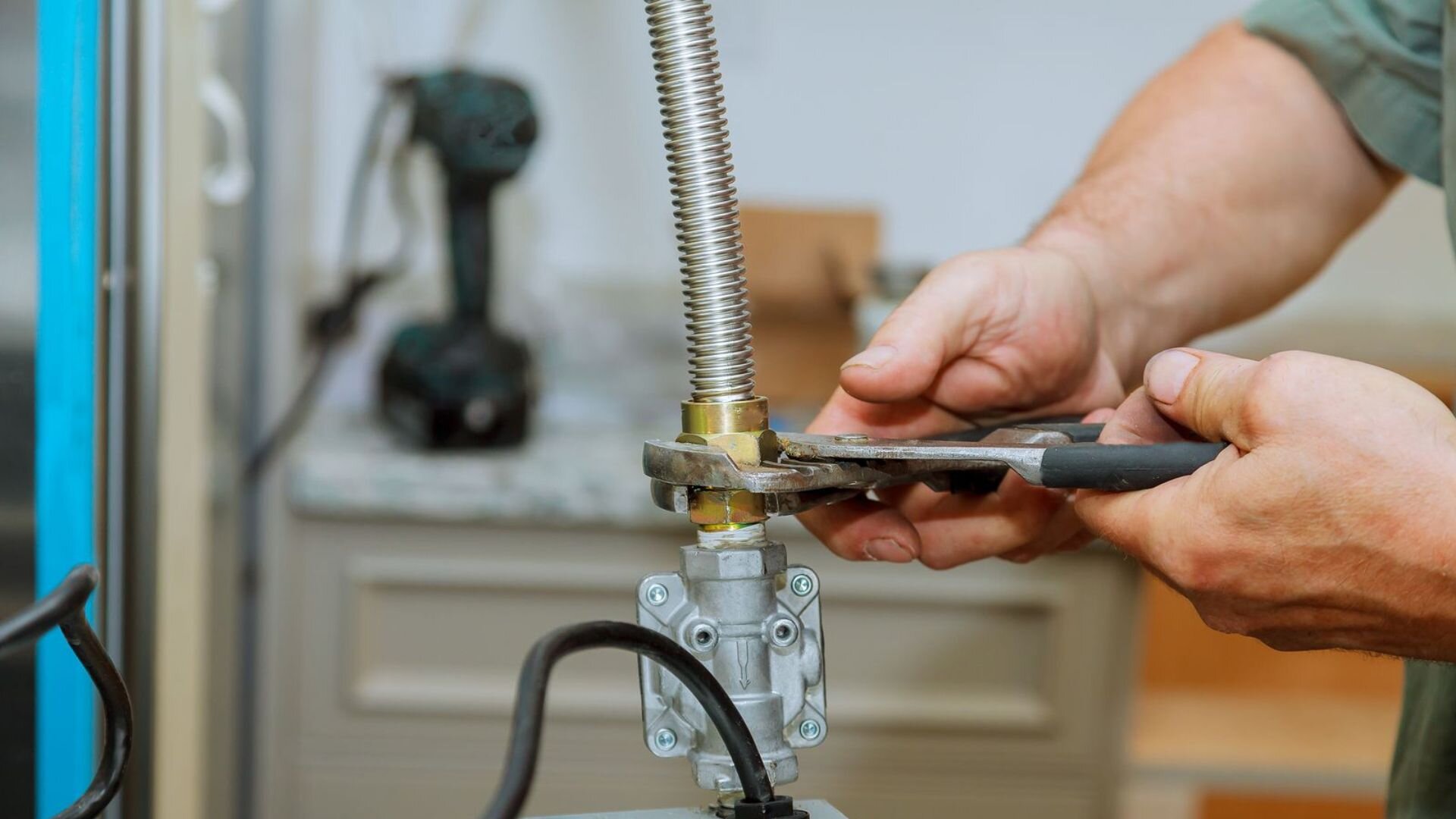
When it comes to home maintenance, it’s easy to brush off minor plumbing issues as nuisances rather than real problems. A dripping tap, a slowly draining sink, or a toilet that occasionally runs might not seem worth the trouble of calling a plumber. However, these small issues often carry hidden risks that can grow into major — and expensive — problems over time.
One of the most overlooked consequences of minor plumbing problems is water damage. Even a small leak can cause moisture buildup behind walls, under floors, or above ceilings. Over time, this can lead to mold growth, rotting wood, and even structural damage to your home. These types of repairs can cost thousands and are often not covered by insurance if it’s determined the damage was due to negligence.
Another hidden cost is increased utility bills. A single leaking tap can waste over 9,000 litres of water per year. When this waste is multiplied by multiple minor leaks or inefficiencies in your system, it can add up significantly. Not only are you paying for water you’re not using, but you’re also placing unnecessary strain on your water system.
There’s also the danger of worsening conditions. A slow drain today could indicate a developing clog deeper in the system. If left untreated, it might eventually cause a full blockage or even a backup, leading to unsanitary flooding and costly emergency plumbing services. Similarly, a running toilet could point to a failing valve, which may eventually stop working entirely.
Minor plumbing issues can also mask more serious concerns. A plumber might uncover corroding pipes, misaligned joints, or hidden damage that isn’t visible to the untrained eye. Fixing these proactively is far cheaper and safer than waiting for something to break down.
Lastly, there are health risks. Mold caused by persistent moisture can lead to respiratory issues, especially in children, the elderly, or those with asthma. Water leaks can also attract pests like termites, which thrive in damp environments.
In conclusion, ignoring minor plumbing problems might save time or money in the short term, but the long-term risks — structural damage, financial strain, and health hazards — make it a gamble that rarely pays off.