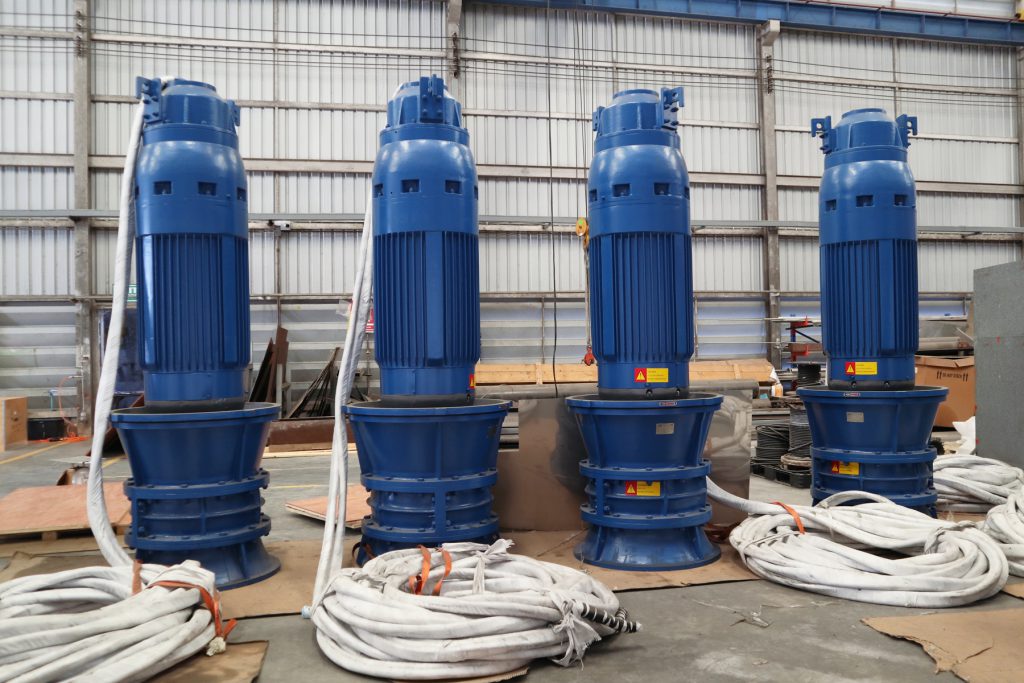
In the realm of efficient water management, one cannot underestimate the pivotal role played by submersible pumps. These workhorses are designed to operate while submerged in the very fluids they are tasked to move, making them an indispensable element in various industries and domestic scenarios alike.
Understanding Submersible Pumps
Submersible pumps, by virtue of their design, are sealed against water ingress, ensuring that their electrical components remain dry even when the pump is functioning underwater. This encapsulation not only protects the pump but also ensures a higher degree of safety for those operating it. Their engineering brilliance is highlighted in their ability to provide effective water movement whilst being quiet and unobtrusive due to their submersed position.
Application in Different Sectors
The versatility of submersible pumps is evident in their wide range of applications. They are commonly found in the agricultural sector, where water needs to be transported from wells or storage tanks to fields. In residential settings, they serve in basements and swimming pools, quietly working to remove unwanted water. Industrial use is perhaps their most demanding application, with these pumps seen in factories, construction sites, and even mining operations, where dewatering is a critical function.
Benefits of Submersible Pumps in Water Management
One major advantage of choosing submersible pumps is their efficiency. They are positioned directly in the liquid and thus do not require a lot of energy to move water over a distance, unlike surface pumps which must exert more power to draw water from below.
Secondly, submersible pumps have a tightly sealed construction which minimises the risk of leaks or damage. This not only extends the lifespan of the pump but also ensures that the materials being pumped are not contaminated, which is especially important in sensitive environments such as drinking water facilities or fish ponds.
Moreover, submersible pumps require less maintenance compared to external pumps. Being submerged helps them avoid issues such as pump cavitation, a problem associated with a significant drop in pressure on the suction side, potentially causing damage.
Design Considerations for Optimal Performance
When integrating submersible pumps into a water management system, it’s essential to consider certain design aspects to ensure optimal performance. The capacity of the pump must align with the intended application, considering factors such as flow rate and head height. Furthermore, material construction is crucial as different environments may require different resistances, like corrosion resistance for saline environments or robust materials for industrial waste management.
Managing Energy Consumption
While submersible pumps are known for their efficiency, they do account for a significant portion of a facility’s energy consumption. Careful planning of usage patterns and investment in energy-efficient models can lead to reduced operation costs and a lesser carbon footprint. Some modern submersible pumps come with variable frequency drives (VFDs) that allow the flow rate and pressure to be adjusted according to need, further enhancing energy usage.
Installation and Safety
The installation of submersible pumps should be done with the utmost consideration for safety and longevity. Correct installation ensures that the pump operates within its design parameters, preventing premature failure. Additionally, it is vital to follow local guidelines and regulations relating to electrical safety, particularly as these pumps are associated with water and electricity.
Maintenance for Longevity
Regular maintenance of a submersible pump is essential to extend its service life. This includes routine checks for wear and tear, monitoring for any unusual sounds or vibrations during operation, and ensuring that the intake grills are free from debris to prevent blockages. Professional maintenance services can also provide peace of mind, especially for high-stakes industrial applications.
Environmental Considerations
In an era where environmental awareness is paramount, the impact of any water management system on the ecosystem must be considered. Submersible pumps that are quiet and energy-efficient have a reduced environmental footprint, which is a step towards sustainable practices. Additionally, advances in pump technology have led to the development of models that are specifically designed to handle environmentally sensitive liquids without causing contamination.
Choosing the Right Submersible Pump
Selecting the right submersible pumps involves a careful assessment of both operational requirements and the specifics of the water management task at hand. Considering factors such as the type of liquid being pumped, the required flow rate, and head, and the consistency of the fluid can determine the best-suited pump for a particular task.
Expert advice can be invaluable in the selection process, as water management professionals can provide insight into the most reliable and cost-effective solutions. Whether for a small-scale residential application or a large industrial system, the correct pump can significantly impact the efficiency and longevity of your water management strategy.
In Conclusion
Submersible pumps prove their worth by being at the heart of efficient water management systems. Their design and operation benefits not only make them an ideal choice for a range of applications but also a champion of resourceful, environmentally-conscious practices. The future of water management is closely linked to the advancements and continued adoption of these versatile and robust pumps.
Whether it’s for agricultural irrigation, floodwater management, or industrial dewatering, betting on submersible pumps is a smart move towards achieving effective and sustainable water management solutions. The right time to invest in their potential is now, as they continue to become more sophisticated in response to the growing demands of our water-dependent world.