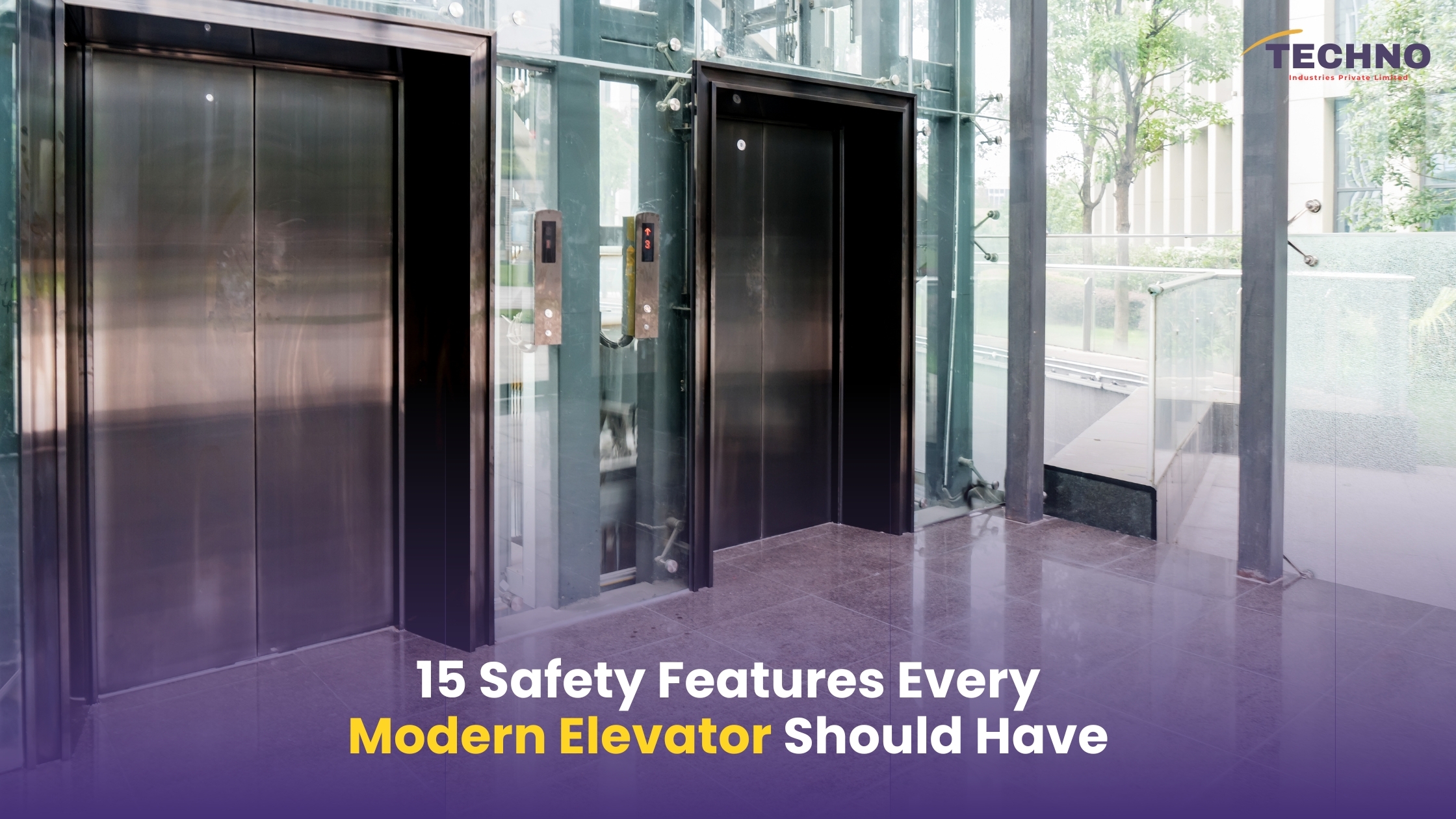
Home elevators are rapidly gaining popularity in modern households, providing unmatched convenience, improved mobility, and lasting comfort. However, despite their growing adoption, many homeowners remain hesitant due to safety concerns—often rooted in misconceptions rather than reality. If you’re thinking about installing a residential elevator, it’s crucial to distinguish fact from fiction. In this article, we’ll debunk the most common myths about residential elevator safety, giving you the clarity and confidence to make an informed decision.
Myth 1: Residential Elevators Are Prone to Falling
Fact: Modern residential elevators are equipped with advanced safety features that eliminate the risk of free-falling. Unlike outdated industrial lifts, today’s home elevators rely on durable cable, rail, and gear systems, paired with automatic braking mechanisms designed to activate instantly in the event of a malfunction.
Homeowners can feel confident knowing these elevators are built to meet rigorous safety standards. When professionally installed and regularly inspected, they provide reliable performance and minimize the chance of mechanical issues, offering both convenience and peace of mind.
Myth 2: Elevators Can Trap People for Hours
Fact: Elevator malfunctions are possible, but being stuck for hours in a residential elevator is exceedingly rare. Most home elevators are equipped with essential safety features, including backup power, manual lowering systems, and alarm buttons to quickly alert someone nearby.
These systems are specifically designed to ensure fast and safe resolutions in case of any issues. Opting for a model with backup battery functionality adds an extra layer of reliability, keeping the elevator operational even during power outages.
Myth 3: Home Elevators Are Unsafe for Children and Pets
Fact: Many people worry that residential elevators might be unsafe for households with young children or pets. However, these elevators are designed with advanced safety features, such as sensors that detect obstructions to prevent the doors from closing or the elevator from operating under unsafe conditions.
When equipped with additional safety measures like lockable control panels and proper interior lighting, residential elevators can be as secure as any other home appliance. Educating family members on proper usage further ensures a safe and reliable experience.
Myth 4: They’re Only Meant for the Elderly
Fact: Elevators are not just for aging homeowners—they’re a practical solution for families of all ages. They make everyday tasks easier, from carrying groceries and transporting laundry to assisting someone with a temporary injury.
In homes with multiple floors, elevators enhance both safety and convenience for everyone, regardless of age or mobility. These functional additions bring comfort and accessibility to any household, proving their value far beyond senior living.
Myth 5: Residential Elevators Are High Maintenance and Break Down Often
Fact: Regular maintenance is always a good idea, but modern home elevators are designed for durability and require minimal servicing when properly installed and used. Typically, annual or semi-annual inspections are sufficient to keep them operating smoothly.
For homeowners, maintaining a residential elevator is no more demanding than routine upkeep for HVAC or plumbing systems. When installed by skilled professionals and used responsibly, these elevators offer long-term reliability and peace of mind.
Myth 6: Home Elevators Are Not Regulated for Safety
Fact: Residential elevators are required to adhere to both national and local safety standards, ensuring compliance with regulations for construction, operation, and accessibility. These guidelines are designed to protect users while guaranteeing each system meets rigorous quality and performance standards.
If you’re exploring options for residential elevators in Reno, NV, rest assured that Nevada’s building codes and safety inspections provide an added level of confidence. Professional installers follow all necessary regulations during installation and testing, ensuring your elevator is both safe and reliable.
The Truth About Residential Elevator Safety
Modern residential elevators combine sleek designs, advanced safety systems, and intuitive controls, making them far safer than many might assume. Like any home system, their performance and reliability rely on proper installation, routine maintenance, and responsible usage. Whether you’re upgrading your home or planning for long-term mobility, residential elevators provide a practical and secure solution that enhances both convenience and accessibility.
Conclusion
Dispelling outdated myths allows homeowners to recognize the true benefits of residential elevators. Modern elevators are safe, practical, and more affordable than ever. In a rapidly evolving world, installing a residential elevator isn’t just a matter of convenience—it’s an investment in quality of life and a way to future-proof your home. For those concerned about safety, rest assured that residential elevators adhere to strict industry standards and are equipped with advanced features designed to protect you and your family.