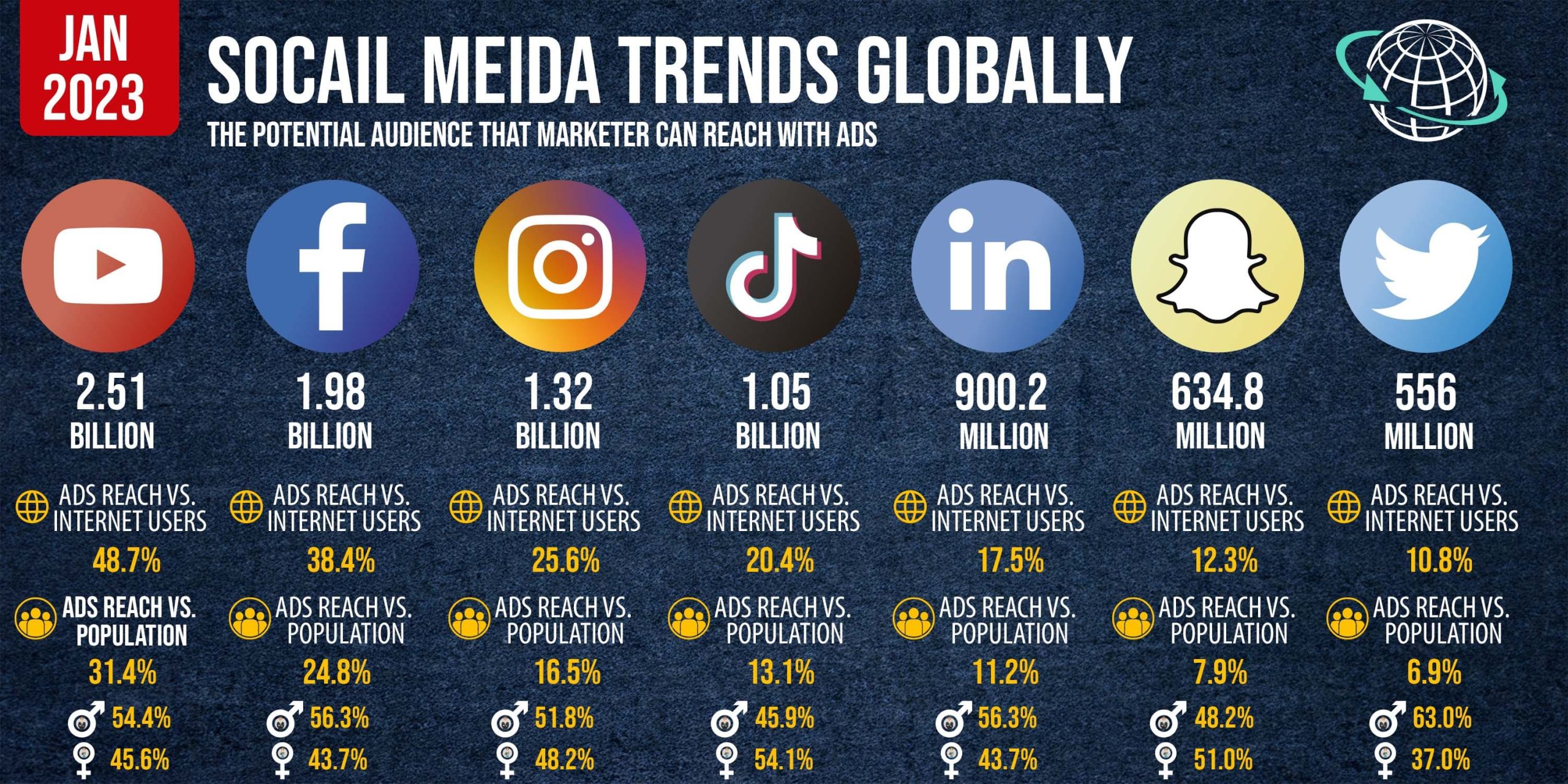
Social media has completely transformed the way businesses communicate with their audiences. It’s no longer just a space for personal connections and entertainment; today, it’s a powerhouse for brand visibility, relationship building, and revenue generation. For marketers, ignoring social media in this digital age is like ignoring your customers knocking on your front door; you’re likely to lose business, reputation, and relevance.
Key benefits of social media for businesses
1. Building brand awareness and reputation
Social media allows brands of all sizes to build recognition in cost-effective ways. Whether you’re a startup or a legacy brand, platforms like Instagram, Facebook, TikTok, LinkedIn, and X (formerly Twitter) offer incredible reach, often without requiring a massive ad budget.
Brand Visibility: A consistent and engaging presence can keep your business top of mind for customers.
Reputation Management: Monitoring comments and direct messages allows you to respond to feedback quickly and publicly, showing your dedication to customer service.
Social Proof: Reviews, testimonials, and shoutouts from real users add credibility, especially for newer brands.
Pro Tip: Encourage satisfied customers to leave public comments and tag your brand. Nothing builds trust faster than a happy customer singing your praises.
2. Engaging with customers and building relationships
Social media isn’t just about pushing content, it’s about creating conversations.
Two-Way Communication: Replying to comments, answering DMs, and liking tagged posts helps foster a sense of community.
Customer Loyalty: Personal engagement makes customers feel heard and valued, turning them into repeat buyers and brand advocates.
Behavior Insights: Engagement metrics such as likes, shares, and saves give you direct insight into what your audience cares about.
Use this insight to craft more relevant content and fine-tune your tone and voice to resonate with your community.
3. Driving traffic and conversions
Social media is one of the best ways to drive high-intent traffic to your website or e-commerce store.
Organic Reach: Sharing valuable tips, behind-the-scenes footage, or product demos can generate curiosity and clicks.
Paid Ads: With precise targeting, platforms like Meta and TikTok help you reach people based on interests, behaviors, and demographics.
Conversion Tracking: Built-in tools allow you to monitor clicks, bounce rates, conversions, and more.
Smart CTA Tip: Use clear calls to action like “Tap the link in bio,” “Swipe up,” or “Shop now” to guide your audience effectively.
To keep campaigns data-driven and aligned with business goals, utilize social media report templates to track what’s converting and what needs adjusting.
4. Leveraging User-Generated Content (UGC)
Encouraging your customers to create content related to your brand can drive incredible results.
Social Proof at Scale: UGC feels authentic, which is more effective in winning trust than traditional ads.
Community Building: Featuring customers on your feed creates a feeling of inclusion and excitement.
Marketing Efficiency: It’s free content that markets itself — and people trust real users more than branded content.
Strategy: Run a monthly contest encouraging customers to share their experience with your product or service and tag your account.
How to stay on top of social media trends
Social media evolves fast. To keep your brand relevant, staying ahead of social media trends is essential. Here’s how you can do that consistently — daily, weekly, and monthly.
1. Be terminally online
There’s no shortcut — you have to be present and active. Scroll, observe, and interact regularly on the platforms your audience uses. This helps you:
Spot viral formats
Understand platform lingo
Engage with your community in real time.
“If you want to know what’s trending on TikTok, you need to get on TikTok.” — Lucy Rees, The Comms Studio.
2. Watch niche creators, not just viral trends
Avoid wasting resources chasing every viral challenge. Instead, monitor creators who speak directly to your target audience.
“Businesses need to stop chasing trends like a golden retriever with a tennis ball.” — Justin Belmont, Pros.e
Find the micro-creators who shape conversations in your niche — their content often predicts what will trend next.
3. Build relationships with influencers
Influencers aren’t just promo tools — they’re expert trend-spotters. They understand what works and why. Collaborate with them not just to sell, but to ideate.
Tip: Micro-influencers (5K–50K followers) tend to have higher engagement rates and niche authority.
4. Ask your Gen Z employees
Gen Z lives and breathes social media. Encourage them to share what’s trending, which hashtags are heating up, and what memes or formats are taking over their feeds.
“This generation has an unparalleled grasp of what’s trending… often before it’s in the data.” — Courtney Rieker, Acceleration Partners.
5. Monitor the competition
Watch what others in your industry are doing. If a format is popping up frequently, it might be worth adapting to your voice.
“Watching other marketers ensures you’re not missing a major shift.” — Rachael Amato, Synaptic.
Just don’t jump on a trend too late — that can make your brand look outdated or out of touch.
6. Follow relevant blogs and podcasts
The next big trend might be hidden in a podcast episode or industry blog. Pop culture and marketing-focused media often dissect online phenomena before they peak.
“Pop culture podcasts now analyze viral moments and platform shifts — in a way that’s more engaging than sifting through raw data.” — Rieker.
7. Use social listening and analytics tools
“Social listening is essential. That’s where the most valuable insights come from.”
Platforms like Sprinklr Social, Mention, and Google Trends help you track conversations, monitor competitors, and identify emerging topics.
8. Leverage platforms’ built-in tools
Each platform offers insights to help you spot what content is resonating:
Instagram Insights
Facebook Business Manager
TikTok Creative Center
Pinterest Trends
These tools highlight high-performing formats and hashtags before they hit the mainstream.
Final thoughts
Social media is a powerful tool for modern business growth. It builds brand visibility, fosters customer relationships, drives traffic, and boosts conversions. To stay ahead, businesses must engage actively, monitor trends, and use insights from tools, influencers, and Gen Z voices. Success lies in combining creativity, consistency, and community — turning followers into loyal customers and visibility into lasting growth.