When it comes to designing an outdoor area, the importance of the foundation cannot be overstated. It provides not only structural integrity but also adds to the overall aesthetic appeal of the space. Deck construction is one such area where innovative solutions can significantly enhance the functionality and beauty of an outdoor setting. In this regard, adjustable pedestals have emerged as a revolutionary element in modern deck building practices.
The Functionality of Adjustable Pedestals
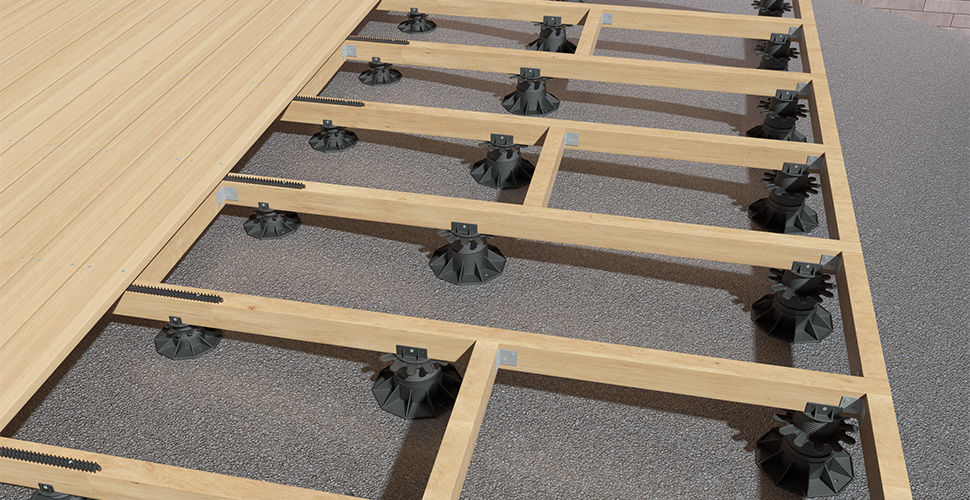
Adjustable pedestals have been designed to support decking tiles, pavers, and boards, allowing for a level surface even when the underlying substrate is uneven. These systems can be finely tuned to different heights which is advantageous for creating a flat deck on sloped surfaces without the need for extensive structural modifications. Moreover, they allow for easy access to the underlying area, which is essential for maintenance and repair tasks.
Improved Drainage and Waterproofing
One of the key benefits of using adjustable pedestals in deck construction is enhanced drainage capabilities. By elevating the deck above the ground or roof surface, water can easily run off, minimising the risk of water damage and the associated repair costs. This space between the deck and substrate also facilitates the installation of effective waterproofing membranes, further protecting the structure from moisture ingress.
Durability and Reduced Maintenance
Outdoor areas are subject to varying weather conditions that can facilitate wear and tear on traditional decking structures. The use of adjustable pedestals helps ensure durability, as the elevated design reduces direct contact with moisture, debris, and soil, thus reducing the likelihood of wood rot or corrosion in other materials. As a result, decks constructed with pedestal systems often have a longer lifespan and require less maintenance over time.
Versatility in Design
The flexibility of adjustable pedestals caters to a range of design preferences. Whether one desires a traditional wood deck, a contemporary look using composite materials, or an elegant stone terrace, pedestals can accommodate different types of decking materials and designs. This versatility ensures that they can be used in various types of projects, from residential gardens to expansive commercial spaces.
Environmental Considerations
With a global push towards sustainable construction practices, the environmentally friendly aspects of using adjustable pedestals come into focus. They limit the need for excavation and extensive ground preparation, thereby reducing the impact on the existing landscape. Additionally, by facilitating easier disassembly, decks built on pedestals can be modified or relocated with minimal environmental disruption.
Speed and Ease of Installation
The construction industry often operates on tight deadlines, and the ease of installation of adjustable pedestals can significantly reduce construction timelines. Unlike traditional methods, pedestals do not require waiting times for concrete to cure. They can be quickly adjusted to the correct height and laid out in a grid, ensuring a rapid and efficient installation process.
Cost-Efficiency
Reducing construction time not only impacts scheduling but also influences the overall cost. By streamlining the installation process, adjustable pedestals can lead to savings on labour and material costs. In addition, the reduced need for ground preparation and the durability afforded by the system may lead to longer-term savings in maintenance and repair costs.
Noise Reduction and Thermal Insulation
For urban environments and multi-storey buildings, the noise-reducing properties of pedestal-supported decks can be a significant draw. The spaces created by the pedestals can be used for sound insulation materials, providing a quieter outdoor space. In addition, this cavity can also be filled with thermal insulation to aid in the control of heat flow between the deck and the substrate.
Load Distribution
Decks are often subject to heavy loads, either static or dynamic. Adjustable pedestals are engineered to distribute the weight evenly, providing stability to the decking surface. This load distribution is integral to ensuring the safety and longevity of the deck structure, particularly in areas that experience high foot traffic or heavy furniture placement.
Accessibility and Retrofitting
Another considerable advantage of using adjustable pedestals is the ease with which they can be incorporated into existing spaces. They are highly suitable for retrofitting old decks or being installed over pre-existing surfaces that require an upgrade. This capability also allows for better accessibility in terms of height adjustment to ensure compliance with various building codes and regulations.
Thermal Movement Accommodation
An often overlooked factor in deck construction is the need to account for thermal expansion and contraction. Adjustable pedestals consider these natural movements, providing enough space for materials to expand and contract without causing buckling or other forms of damage. This foresight in the design of pedestals prolongs the aesthetic appeal and structural integrity of the deck.
Final Thoughts
The innovation of adjustable pedestals has revolutionised deck construction, addressing many traditional challenges and offering a host of benefits. From enhanced durability and design versatility to environmental sustainability and cost-efficiency, the advantages are compelling. It’s clear that any homeowner or developer seeking to elevate an outdoor space should indeed consider the integration of adjustable pedestals into their deck construction project.
Conclusion
In conclusion, the use of adjustable pedestals in deck construction presents a multitude of benefits that can significantly contribute to a superior and sustainable outdoor area. As decking trends evolve and the demand for versatile, durable, and aesthetically pleasing outdoor spaces increases, adjustable pedestals stand out as a practical and innovative solution. These systems are indeed transforming the way builders and homeowners think about elevating outdoor spaces to new heights of form and function.