Introduction
Selecting the right shredder teeth is crucial for maximizing efficiency, prolonging equipment lifespan, and ensuring high-quality shredding results. Different materials require different shredder blade types to achieve the best performance. The Krokodile mobile shredder is designed to handle a variety of materials, but optimizing its shredder teeth selection can significantly improve durability, efficiency, and operational cost-effectiveness. In this article, we’ll explore the importance of shredder teeth selection for different materials, the different types of shredder blades, and how to choose the best option based on your shredding needs.
Understanding Shredder Teeth and Their Role
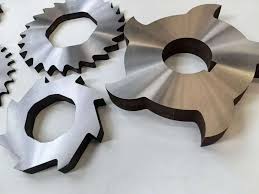
Shredder teeth are the primary cutting components that determine how efficiently a shredder processes materials. The design, hardness, and configuration of shredder teeth impact cutting efficiency, material output size, and wear resistance.
Key Factors in Shredder Teeth Selection
- Material Type: Some teeth are better suited for soft materials (e.g., wood, plastic), while others are designed for tougher materials (e.g., metal, concrete).
- Shredding Application: Teeth selection varies for recycling, waste management, and industrial shredding.
- Durability and Wear Resistance: Harder materials require stronger, more durable teeth to withstand repeated impact.
- Output Size Requirements: The type of teeth determines particle size after shredding.
- Maintenance and Longevity: Choosing the right teeth reduces frequent replacements and lowers operating costs.
Types of Shredder Teeth and Their Applications
Different materials require specific shredder blade types and applications. Here’s a breakdown of the most common shredder teeth designs:
1. Hooked Blades (General-Purpose Shredding)
- Best for: Wood, plastics, rubber
- Features: Curved edges that efficiently grab and pull material into the shredder.
- Advantages: Provides consistent material feeding and reduces jams.
2. Serrated Teeth (High-Torque Applications)
- Best for: Heavy-duty shredding (metal, tires, dense materials)
- Features: Aggressive cutting edges designed to tear through thick materials.
- Advantages: Maximizes cutting force and durability for industrial waste processing.
3. Flat Teeth (Uniform Shredding & Fine Output)
- Best for: Paper, textiles, plastic sheets
- Features: Smooth, sharp edges that ensure fine, consistent material reduction.
- Advantages: Produces evenly shredded output, ideal for recycling applications.
4. Hard-Faced or Tungsten Carbide Teeth (Extreme Durability)
- Best for: Concrete, rock, reinforced materials
- Features: Hardened steel tips or tungsten carbide coating for maximum wear resistance.
- Advantages: Longer lifespan, reduced wear, and lower maintenance costs.
5. Reversible Teeth (Cost-Effective Solution)
- Best for: Mixed waste, municipal solid waste (MSW)
- Features: Teeth with dual-sided cutting edges, allowing for extended usage.
- Advantages: Can be flipped for double the lifespan, reducing operational downtime.
Optimizing Shredder Performance with the Right Teeth
Proper shredder teeth selection directly impacts machine performance. Here’s how to optimize your shredder setup based on material type:
1. Best Shredder Teeth for Metal and Wood
- For Metal: Serrated or carbide-tipped teeth provide the best performance.
- For Wood: Hooked or flat teeth work well for consistent shredding.
2. Choosing Industrial Shredder Teeth for Plastic Waste
- Plastics and rubber require uniform shredding to maintain a fine output.
- Serrated or reversible teeth can help prevent excessive wear.
3. Shredder Calibration for Maximum Efficiency
- Ensure torque and speed settings match the material being processed.
- Monitor teeth wear and replace when necessary to maintain optimal shredding efficiency.
Benefits of Selecting the Right Shredder Teeth
Using the correct shredder teeth configuration offers several advantages:
1. Increased Shredding Efficiency
- Proper blade selection reduces energy consumption and processing time.
- Reduces the likelihood of jams and blockages.
2. Lower Operating Costs
- Durable shredding teeth reduce the frequency of replacements and maintenance.
- Extends the lifespan of the shredder, saving on long-term costs.
3. Improved Material Output Quality
- Helps achieve consistent particle size for recycling and repurposing.
- Reduces waste and improves downstream processing efficiency.
Maintenance Tips for Shredder Teeth Longevity
To maximize the lifespan and efficiency of your shredder teeth, follow these best maintenance practices:
1. Regular Inspections
- Check for uneven wear and cracks.
- Replace teeth before they become too worn out to prevent performance loss.
2. Proper Lubrication
- Reduces friction, minimizes overheating, and prevents early wear.
- Helps maintain consistent performance during operation.
3. Use the Right Feed Rate
- Avoid overloading the shredder, as it can damage the teeth.
- Maintain steady material intake for smooth shredding.
4. Rotate or Replace Teeth When Necessary
- Reversible teeth should be flipped to utilize both sides.
- Always replace damaged or excessively worn teeth promptly.
Conclusion
Choosing the right shredder teeth for different materials is essential for maximizing efficiency, reducing maintenance costs, and improving shredding performance. Whether shredding wood, plastic, metal, or reinforced concrete, selecting the appropriate blade type ensures better results and longer equipment lifespan.
The Krokodile mobile shredder is designed for versatile material processing, but using the correct shredder teeth configuration can further enhance its performance. By following best practices in teeth selection and maintenance, you can optimize shredding efficiency, reduce wear, and lower operating costs.
If you want to improve your shredding results and extend the life of your equipment, invest in the best shredder teeth for your specific needs and keep up with regular maintenance. This small but crucial step will increase productivity, minimize downtime, and enhance overall material processing.