Introduction:
Energy efficiency has become a crucial aspect of modern living, as households seek ways to reduce energy consumption, lower utility bills, and minimize their environmental impact. With rising energy costs and increasing concerns about climate change, more homeowners are looking for practical solutions to improve energy efficiency within their living spaces. By adopting energy-efficient practices, households can optimize their energy use while maintaining comfort and convenience.
From upgrading appliances and insulation to incorporating renewable energy sources, energy efficiency plays a significant role in sustainable living. As governments and energy providers introduce incentives to encourage efficiency improvements, understanding how to enhance household energy use can lead to long-term financial and environmental benefits. Exploring the key aspects of energy efficiency can help homeowners make informed decisions about optimizing their energy consumption.
How energy efficiency reduces household energy consumption:
Energy efficiency is about using less energy to perform the same tasks, which ultimately leads to lower energy consumption. Simple changes, such as switching to LED lighting or upgrading insulation, can significantly reduce the amount of energy a household needs for heating, cooling, and daily activities.
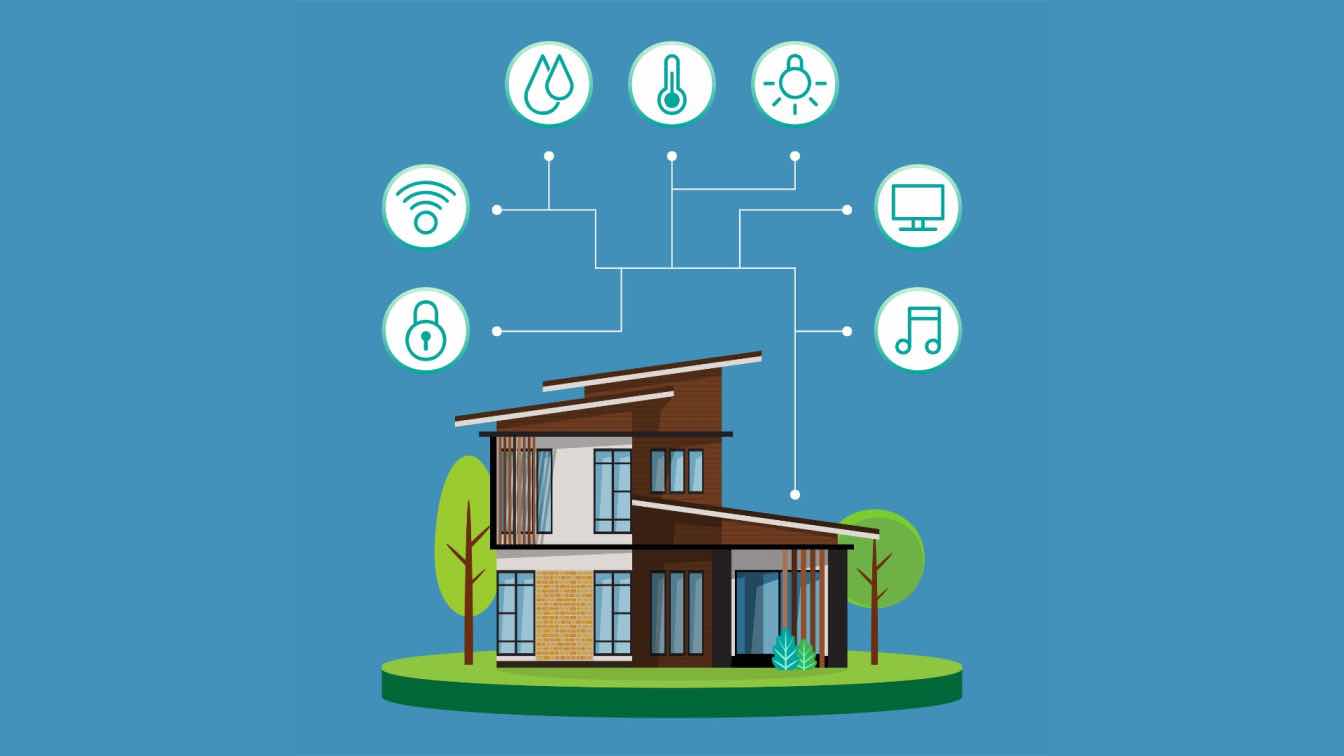
Energy-efficient homes also benefit from advanced technologies, such as smart thermostats and automated lighting systems, which help regulate energy use. By integrating these technologies, households can create a more sustainable and cost-effective living environment without sacrificing comfort.
The financial benefits of improving home energy efficiency:
One of the biggest advantages of energy efficiency is the potential for significant cost savings. By reducing overall energy consumption, households can lower their monthly utility bills and minimize long-term expenses related to energy use.
- Ways energy efficiency helps homeowners save money:
- Lower electricity and heating bills due to reduced energy consumption.
- Fewer maintenance costs for energy-efficient appliances and systems.
- Potential eligibility for government incentives and tax rebates.
- Increased home value with energy-efficient upgrades.
Investing in energy-efficient solutions not only reduces expenses but also provides financial stability, as homeowners become less reliant on fluctuating energy prices.
The role of home insulation and efficient heating systems in energy conservation:
Proper insulation is a key factor in maintaining energy efficiency within a home. Poor insulation allows heat to escape during the winter and lets unwanted heat in during the summer, causing HVAC systems to work harder and consume more energy.
Energy-efficient heating and cooling systems, such as heat pumps and high-efficiency furnaces, further contribute to reducing energy waste. These systems are designed to operate with minimal energy while maintaining indoor comfort levels, making them a smart investment for long-term savings and sustainability.
How home PV panels contribute to household energy efficiency:
Solar energy has become a popular choice for homeowners looking to improve energy efficiency and reduce reliance on traditional power sources. By installing home PV panels, households can generate their own electricity, decreasing their dependence on the grid and lowering utility costs.
Modern photovoltaic (PV) panels are designed to maximize energy conversion efficiency, ensuring that homes receive a steady supply of renewable energy. With the addition of battery storage systems, excess solar energy can be stored and used when needed, further optimizing energy efficiency and reducing overall consumption.
The impact of smart technology on household energy use:
Smart home technology plays a vital role in improving energy efficiency by allowing homeowners to monitor and control their energy usage more effectively. Devices such as smart thermostats, motion-sensor lighting, and energy-monitoring apps provide real-time data that helps optimize energy consumption.
- Advantages of smart technology in energy efficiency:
- Automated temperature control reduces unnecessary heating and cooling.
- Remote access allows users to adjust settings from anywhere.
- Energy-tracking features help identify areas of excessive consumption.
- Integration with renewable energy systems enhances overall efficiency.
By leveraging smart home automation, households can take proactive steps to minimize waste and improve energy efficiency on a daily basis.
How energy-efficient appliances help reduce electricity consumption:
Modern appliances are designed with energy efficiency in mind, offering significant savings on electricity consumption. High-efficiency refrigerators, washing machines, and dishwashers use less water and energy while maintaining top performance.
When shopping for appliances, homeowners should look for ENERGY STAR-rated products, which meet strict energy efficiency guidelines. These appliances not only reduce energy costs but also contribute to a more sustainable household by minimizing overall energy waste.
The environmental benefits of energy efficiency in households:
Energy-efficient homes contribute to a healthier environment by reducing carbon emissions and decreasing reliance on fossil fuels. Every kilowatt-hour of electricity saved means fewer greenhouse gases are released into the atmosphere, helping combat climate change.
Additionally, energy-efficient homes use fewer natural resources, promoting sustainability. By reducing energy waste, households play a direct role in conserving valuable resources such as water, gas, and electricity, leading to long-term environmental benefits.
Government incentives and rebates for energy-efficient home improvements:
To encourage homeowners to adopt energy-efficient solutions, many governments offer incentives, tax credits, and rebates for energy-efficient home upgrades. These financial incentives make it easier for homeowners to invest in sustainable solutions without a significant upfront cost.
- Examples of government-supported energy efficiency programs:
- Rebates for installing solar panels and renewable energy systems.
- Tax credits for purchasing energy-efficient appliances.
- Grants for home insulation and weatherization improvements.
- Low-interest loans for upgrading to smart home energy systems.
Taking advantage of these programs allows homeowners to maximize savings while making meaningful contributions to energy conservation efforts.
The future of energy efficiency in residential homes:
As technology continues to advance, the future of energy efficiency looks promising. Innovations in renewable energy, smart grids, and energy storage will further enhance the ability of households to optimize their energy use.
With more homeowners adopting energy-efficient solutions, the residential sector will play a crucial role in global efforts to reduce carbon emissions and create a more sustainable future. As policies and incentives continue to support these initiatives, energy-efficient homes will become the standard for modern living.
Conclusion:
Energy efficiency offers numerous benefits for households, ranging from cost savings to environmental sustainability. By investing in energy-efficient appliances, smart technology, insulation, and renewable energy sources such as solar panels, homeowners can reduce their energy consumption while maintaining a comfortable living environment.
As more people recognize the advantages of energy efficiency, the demand for sustainable solutions will continue to grow. With government incentives and advancements in technology, transitioning to an energy-efficient lifestyle is now more accessible than ever. Households that prioritize energy conservation will not only save money but also contribute to a cleaner and more sustainable world for future generations.