In the age of instant gratification, rideshares have revolutionized how we move — a tap on your phone, and voilà, a car appears like magic. But with this convenience comes a modern twist on an age-old issue: how do you stay safe when stepping into a stranger’s vehicle? In an incident involving a rideshare, seeking advice from a Dallas rideshare accident lawyer can be crucial. While most rides are smooth sailing, keeping your wits about you is crucial. After all, you wouldn’t hop into a random car just because someone yelled your name from the street — so why treat rideshares any differently?
1. Confirm the Car and Driver
Before you even think about opening that car door, check the essentials: the car’s make, model, color, and license plate. All this info is available on your app, and it should match the vehicle in front of you. Also, glance at the driver’s photo and name. A simple “Who are you here to pick up?” rather than offering your name first is a subtle but effective way to confirm they’re legit. Fake drivers are, unfortunately, a thing — don’t fall for the old “Trust me, I’m your ride” trick.
2. Share Your Trip Details
This is the modern-day equivalent of “text me when you get home.” Uber and Lyft allow you to share your trip status with friends or family, sending them a live route map. It’s a simple yet powerful way to keep someone in the loop. Bonus: it also acts as a deterrent for any would-be wrongdoers. No one wants to mess with you when they know Aunt Karen is tracking every turn.
3. Ride in the Back Seat
The back seat isn’t just for VIPs — it’s the safest spot. It puts you at a slight distance from the driver and allows for an easy exit from either side in an emergency. Plus, it avoids any awkward elbow-rubbing or accidental gear-shifting on your part. Let’s keep it professional.
4. Use the Safety Features in the App
Did you know most rideshare apps now have an emergency button? You can discreetly call 911 directly from the app if something feels off. Some apps even provide a “panic code” — a seemingly innocent phrase that signals the company that you need help. Familiarize yourself with these features before your next ride. Knowledge is power.
5. Trust Your Gut — Seriously
Your instincts are there for a reason. Don’t hesitate to end the ride if something doesn’t feel right — maybe the driver insists on a different route or gives off weird vibes. Ask to be let out in a safe, public place. Don’t worry about hurting feelings. Your safety trumps politeness every time.
6. Keep Personal Details… Well, Personal
Small talk is fine, but divulging your home address, work schedule, or vacation plans is unnecessary. If asked, keep answers vague. “I’m meeting friends nearby” works much better than “I live alone two blocks away.” Let’s keep the mystery alive.
7. Rate and Report
Rating your driver isn’t just about being a tough critic — it’s a safety mechanism. If something felt off, report it. Rideshare companies take these reports seriously and often follow up. Your feedback could prevent someone else from having a dangerous experience.
What If an Accident Happens?
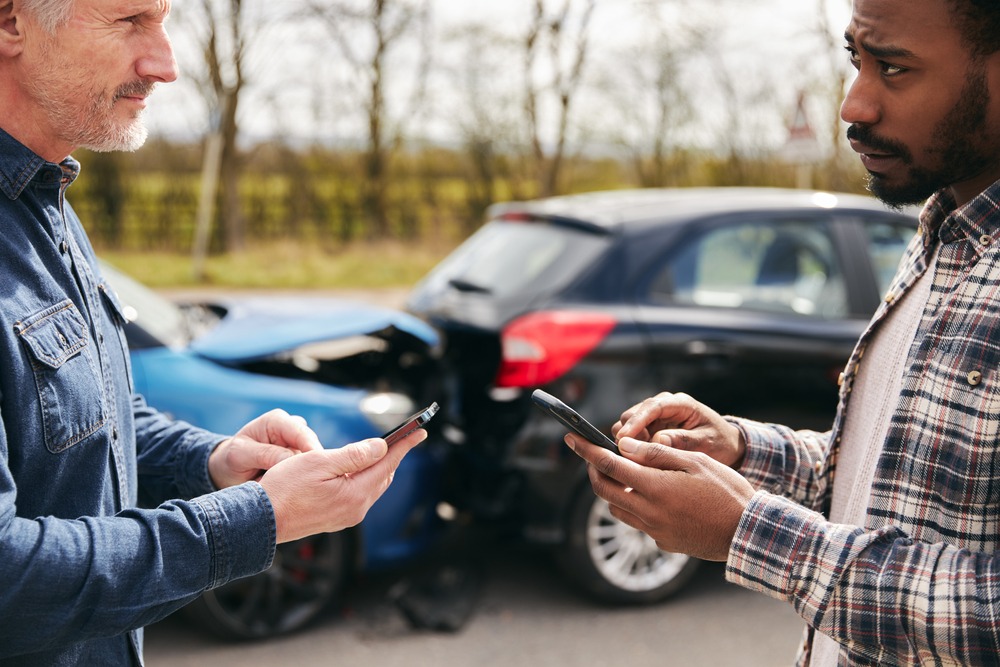
Despite all precautions, accidents can happen. If you find yourself injured in a rideshare, prioritize your health — seek medical attention immediately. Then, gather as much information as possible: the driver’s details, screenshots of your trip, and any witness contacts. Next step? Speak with a lawyer who specializes in rideshare accidents. An expert Dallas rideshare accident lawyer can help you navigate the murky waters of insurance claims, company policies, and legal rights. It’s not just about covering medical bills — it’s about ensuring justice and safety for yourself and others.
Final Thoughts
In a world where convenience often outpaces caution, a little awareness goes a long way. Rideshares are here to stay, and with the right steps, you can enjoy the ride without sacrificing your safety. So, keep your eyes open, trust your instincts, and always have a backup plan — because being street-smart never goes out of style.