Truck trailers are vital for efficient freight transportation, with various types designed for different needs. This guide covers trailer types, features, how to choose the right one, and tips for long-term maintenance.
Types of Truck Trailers
Truck trailers come in many shapes and sizes, each suited to specific purposes. Here’s a breakdown of the most common types of truck trailers:
1. Flatbed Trailers
Flatbeds are open trailers and highly versatile. These trailers are perfect for transporting oversized or irregularly shaped goods like lumber, machinery, or construction materials. They don’t have sides or roof structures, making it easy to load and unload cargo from any angle.
2. Refrigerated Trailers (Reefers)
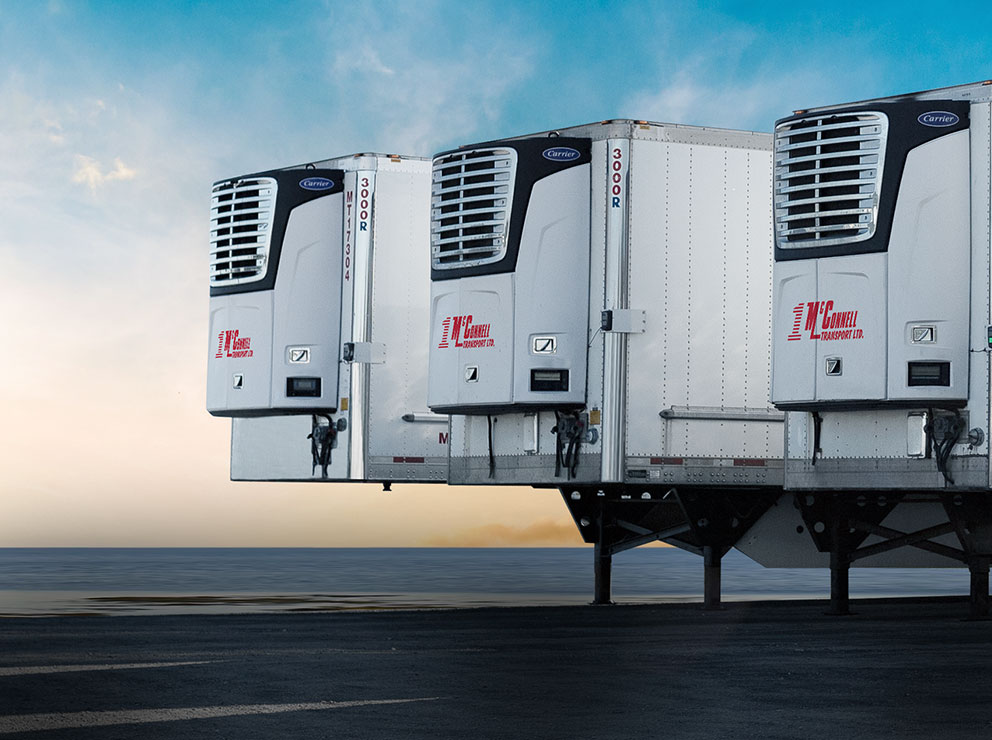
If your cargo needs to be temperature-controlled, refrigerated trailers are the perfect choice. Commonly used in the food and pharmaceutical industries, these trailers keep perishable items cool, fresh, or frozen during transport.
3. Dry Van Trailers
One of the most popular types, dry vans are enclosed trailers used to haul general freight. They are versatile and suitable for carrying goods such as electronics, furniture, and clothing that don’t require temperature control.
4. Tanker Trailers
These trailers are designed to transport liquids, such as fuel, chemicals, or water. Tankers feature cylindrical shapes with specialized compartments to safely secure and transport liquid cargo.
5. Step Deck Trailers
Similar to flatbed trailers, step deck trailers have a lower deck to accommodate taller cargo without risking clearance issues. They’re ideal for transporting heavy machinery and tall equipment.
6. Side Curtain Trailers
This type of trailer offers flexibility with protective side curtains that can slide open for easy cargo access. They’re commonly used in the transportation of bulk goods or pallets.
7. Specialty Trailers
These include car haulers, livestock trailers, and logging trailers, each catering to specific industries and unique cargo needs.
Knowing the types of trailers available is the first step to understanding how diverse and adaptable the trucking industry really is.
Key Features of Truck Trailers
When it comes to truck trailers, functionality is everything. Here are the standout features to keep in mind:
- Capacity: Depending on the cargo, trailers come with varying load capacities. A flatbed or dry van can typically handle up to 48,000 pounds, while tankers or specialty trailers are designed for specific weight and volume requirements.
- Durability: Truck trailers are built to endure heavy loads, bad weather, and long distances. High-quality materials like aluminum and steel improve longevity and reduce maintenance costs.
- Functionality: Features such as adjustable axles, loading ramps, temperature controls (for reefers), and aerodynamic designs enhance the practicality and efficiency of trailers.
These features ensure that truck trailers can handle a wide range of operational needs effectively.
How to Choose the Right Trailer for Your Needs
Picking the right trailer depends on your requirements. Here are some factors to consider:
- Type of Cargo
What do you plan to haul? Perishable goods will need a refrigerated trailer, while heavy and oversized cargo might call for flatbed, step deck trailers, or dump trailers like those in Utah.
- Weight and Capacity
Ensure the trailer can handle the weight of your cargo. Always check the load capacity and avoid exceeding it, as this can lead to wear and tear or safety issues.
- Length and Height
Tall or long loads require specialized equipment like step deck or extendable trailers.
- Budget
Balance cost with the trailer’s features—while durability and functionality are important, make sure it fits within your operational budget.
- Additional Features
Look for features like insulation (for reefers), advanced suspension systems, or even GPS tracking for logistics.
Investing in the right trailer can save you money and headaches in the long term.
Maintenance Tips for Long-Lasting Performance
Just like any other vehicle or equipment, truck trailers need proper care. Without regular maintenance, operational downtime and costly repairs can add up. Here are some tips to keep your trailer in excellent shape:
- Inspect Tires Regularly
Always ensure tire pressure is ideal and check for wear and tear. Tires can affect fuel efficiency and safety, so don’t overlook them.
- Lubricate Moving Parts
Axles, hinges, and other moving parts should be regularly greased to reduce wear and maintain functionality.
- Check Brake Systems
The braking system on trailers is crucial for safe cargo transportation. Performing routine checks can prevent accidents caused by brake failures.
- Inspect for Rust and Damage
Keep an eye out for cracks, rust, or structural damage. Addressing these issues early can keep your trailer durable and functional.
- Wash and Clean Thoroughly
Whether it’s a reefer or a tanker, cleaning the trailer regularly prevents contamination and maintains its structural integrity.
By following these maintenance tips, you can extend the life of your trailer and maintain efficiency across your operations.
Frequently Asked Questions About Truck Trailers
1. What is the standard size of a truck trailer?
Most flatbed and dry van trailers in the U.S. are 48–53 feet long and 8.5 feet wide.
2. How often should I service my truck trailer?
It’s recommended to service your truck trailer every three months or after 25,000 miles, whichever comes first.
3. Can a single truck use different types of trailers?
Yes, many trucks are designed to accommodate a range of trailers, provided the hitch type matches.
4. How much weight can a truck trailer legally carry?
Federal regulations in the U.S. limit gross vehicle weight to 80,000 pounds, which includes the truck, trailer, and cargo.
5. Are aluminum or steel trailers better?
Aluminum trailers are lighter and more fuel-efficient, while steel ones are more affordable and durable for heavy loads.
Have more questions? Drop them in the comments, and we’ll help answer them.
Conclusion
Truck trailers are integral to the transportation industry, allowing for safe and efficient shipment of goods across long distances. Understanding the different types of trailers available, their key features, and how to maintain them can help you make informed decisions when it comes to selecting the right trailer for your needs.