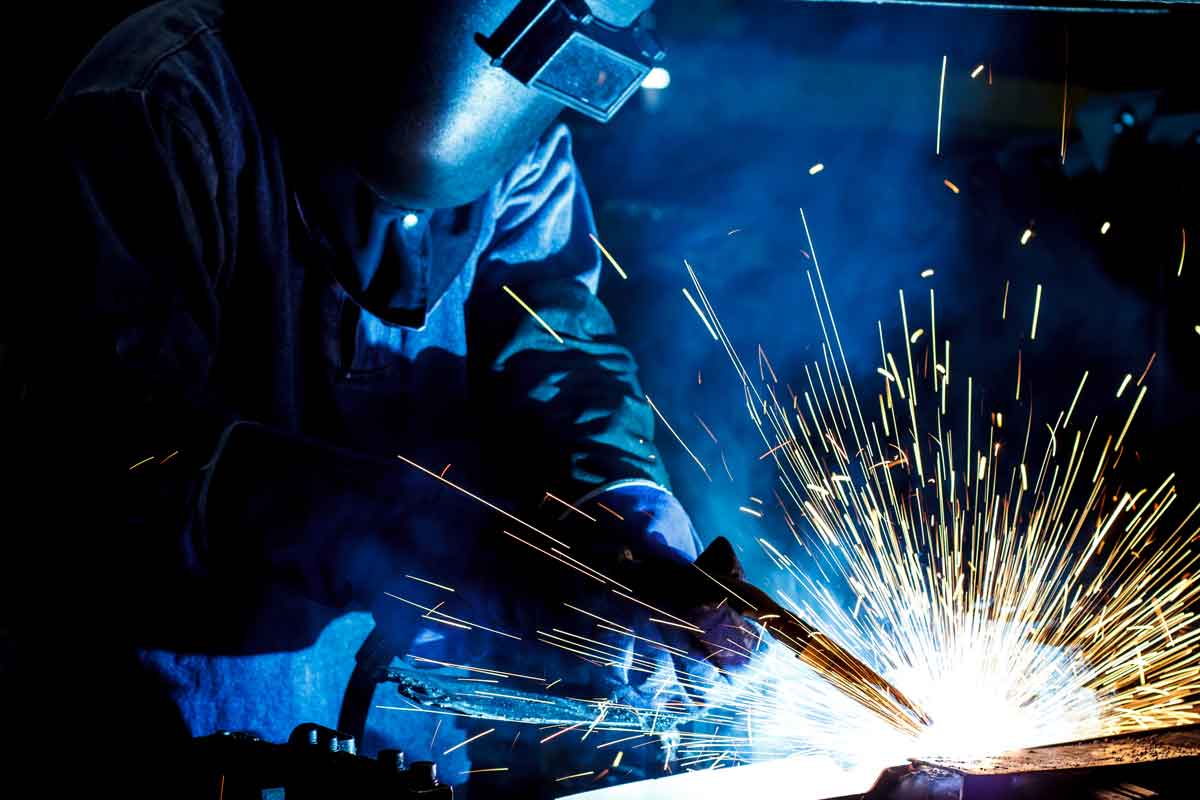
Welding is an essential part of many industries, from construction to automotive repair, but it comes with significant health risks. One of the lesser-known dangers for welders is exposure to manganese fumes, which can lead to serious respiratory issues and long-term lung disease. Manganese is a critical component in welding rods and steel production, but when inhaled over time, it becomes a health hazard. Prolonged exposure can cause symptoms that range from coughing and shortness of breath to irreversible lung damage.
While the immediate risks of welding, such as burns and eye injuries, are well-known, the chronic effects of manganese exposure are often overlooked. Welders are exposed to toxic fumes in poorly ventilated environments, where inhalation of dangerous particles is unavoidable. Over time, these fumes can inflame the lungs, causing chronic respiratory conditions and increasing the risk of infections. Early recognition of these dangers and protective measures can help prevent serious health issues.
Understanding Manganese Exposure in Welding
Manganese is released into the air as fumes when metals are heated to high temperatures during welding. Once inhaled, the particles enter the respiratory system and can spread to other parts of the body, including the brain. The concentration of manganese in the air depends on the type of welding process, the materials used, and the ventilation in the work environment. High concentrations can be found in enclosed spaces, such as shipyards or confined construction sites.
Acute exposure may cause immediate symptoms such as dizziness, headaches, and difficulty breathing. However, chronic exposure over months or years is far more dangerous. Welders who inhale manganese fumes regularly are at higher risk of developing conditions like manganism, a neurological disorder similar to Parkinson’s disease, as well as chronic lung diseases. In addition, prolonged exposure can lead to cognitive decline and mood disorders, further complicating the health risks associated with manganese fume inhalation.
Diseases Welders Face Due to Prolonged Fume Exposure
Welders are at increased risk for several serious respiratory conditions due to prolonged exposure to hazardous fumes and metal particles.
- Chronic Bronchitis- Long-term exposure to welding fumes causes persistent coughing, mucus production, and breathing difficulties, often leading to chronic bronchitis.
- Pneumoconiosis (Welder’s Lung)- This condition results from metal particles accumulating in the lungs, causing scarring and reduced lung capacity. Symptoms include shortness of breath and chronic coughing.
- Lung Cancer- Welders working with materials like stainless steel, which contain chromium and nickel, face an elevated risk of lung cancer due to toxic fume exposure.
- Occupational Asthma- Fumes and gases from welding can trigger asthma-like symptoms, including wheezing, chest tightness, and difficulty breathing.
- Pulmonary Fibrosis- Long-term exposure to welding particles may lead to scarring of the lung tissue, resulting in chronic respiratory issues and decreased oxygen exchange.
Regular medical screenings, respiratory protection, and ensuring proper ventilation in the workplace are critical for reducing these risks and protecting welders’ long-term health.
Legal Options for Injured Welders
When welders develop serious health conditions due to prolonged exposure to toxic substances, they may be entitled to compensation. Employers have a duty to provide a safe working environment and protect workers from preventable hazards. Unfortunately, safety protocols are not always followed, leaving workers vulnerable to long-term damage. In cases where safety violations or negligence are involved, contacting a San Antonio construction accident lawyer can help injured welders understand their rights.
An attorney can investigate the circumstances of the exposure, identify responsible parties, and help victims seek compensation for medical expenses, lost wages, and pain and suffering. This legal support is crucial for workers facing serious health challenges caused by unsafe working conditions. Pursuing justice not only helps victims but also pushes employers to prioritize worker safety in the future.
Preventing Manganese Exposure in Welding
Preventing manganese exposure starts with proper safety measures and personal protective equipment (PPE). Respiratory protection, such as powered air-purifying respirators (PAPRs), is essential for reducing inhalation risks. Adequate ventilation systems and fume extraction devices can also minimize airborne particles in the workspace. Welders should be trained on the risks of manganese exposure and how to protect themselves.
Regular health screenings are another important prevention tool. Early detection of respiratory conditions can help prevent long-term damage. Employers must invest in ongoing safety programs and ensure that their workers are equipped with the necessary resources to protect their health. Additionally, fostering a culture of safety and wellness within the workplace can significantly contribute to the overall well-being of employees.
Recognizing the Symptoms of Manganese Poisoning
Manganese poisoning (manganism) develops over time, with early symptoms often mistaken for less serious conditions.
- Fatigue and Headaches- Persistent tiredness and frequent headaches are common early signs of manganese exposure.
- Muscle Stiffness and Cramps- Stiffness and painful muscle cramps can indicate early neurological effects of manganese poisoning.
- Tremors and Difficulty Walking- As exposure continues, symptoms may resemble Parkinson’s disease, with tremors, balance issues, and a shuffling gait.
- Breathing Problems- Inhalation of manganese particles can cause respiratory issues, such as shortness of breath and chronic coughing.
- Cognitive Changes- Memory loss, mood swings, and difficulty concentrating may appear in later stages of the condition.
If symptoms arise, seek medical attention immediately for proper diagnosis and treatment. Early intervention is essential to slow disease progression and protect long-term health. Workers should report any symptoms to their employer and request a health evaluation.
The Importance of Workplace Safety in Welding
Creating a safe work environment is essential for preventing exposure-related diseases in the welding industry. Employers must ensure that their worksites comply with Occupational Safety and Health Administration (OSHA) regulations. This includes providing adequate ventilation, regular air monitoring, and access to high-quality protective equipment. Welders should never be forced to work in unsafe conditions without proper protection.
Encouraging a culture of safety starts with education and accountability. Employers who prioritize worker safety help prevent injuries and illnesses, reduce absenteeism, and improve overall productivity. Safer workplaces benefit not only individual workers but the industry as a whole. Creating an environment where safety is a shared responsibility allows organizations to cultivate a more engaged and proactive workforce.