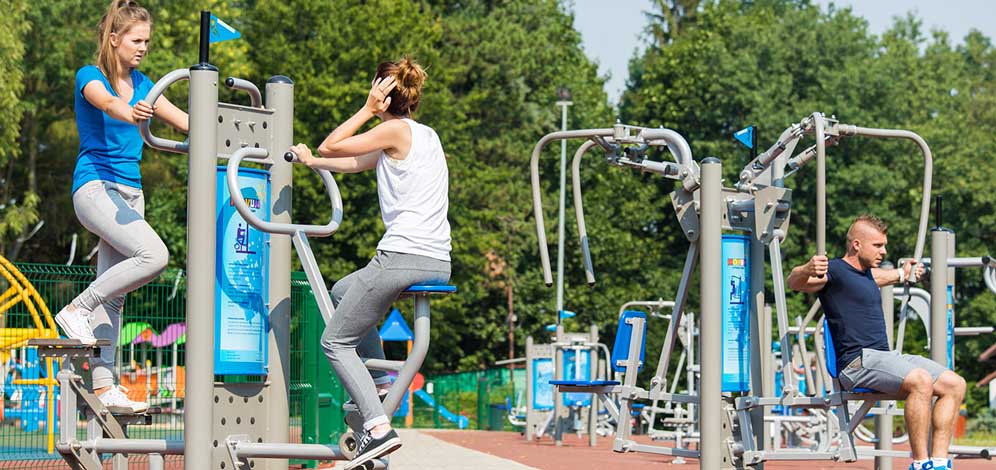
Creating an exercise space outside is an excellent way to enhance physical well-being while enjoying fresh air. A well-planned setup encourages consistent workouts and provides a convenient alternative to indoor facilities. Selecting the right components ensures a safe and effective training area tailored to different fitness levels.
When choosing outdoor fitness equipment, factors such as durability, functionality, and available space must be considered. Proper planning and smart placement enhance usability, making outdoor workouts both enjoyable and effective. This article explores essential steps for setting up an ideal exercise zone, from selecting the right apparatus to ensuring long-term maintenance. Following expert advice guarantees a well-balanced and efficient training environment.
Selecting the Right Space for Your Setup
Choosing an appropriate location is the foundation of any successful training area. A well-selected space ensures safety, convenience, and an optimal workout experience. Open areas with flat surfaces provide a stable foundation, reducing the risk of injuries.
Accessibility is another key factor. A well-placed gym should be easy to reach, whether in a backyard, park, or community space. Ensuring adequate ventilation and natural shade enhances comfort, especially during warmer months. Proper drainage also prevents water buildup, keeping the area usable after rain.
The environment should support various activities without restrictions. Consider surrounding elements such as trees, fences, or buildings that may influence the placement of different structures. A thoughtful layout maximises efficiency and allows seamless movement between workout stations.
Choosing the Best Equipment for Your Fitness Goals
The selection of apparatus depends on individual workout preferences and training intensity. Some setups focus on strength-building, while others prioritise flexibility and endurance. Understanding personal goals helps in picking the most suitable options.
Strength-based stations like pull-up bars and dip bars target upper body muscles, while leg presses and step-up platforms improve lower body endurance. Balance beams and agility ladders enhance coordination and flexibility. Resistance bands and parallel bars cater to individuals looking for bodyweight-focused training.
A balanced setup includes a mix of elements that cater to different exercise needs. Integrating a variety of tools ensures full-body workouts while maintaining engagement. Versatile selections help create a well-rounded fitness space suitable for all skill levels.
Key Features to Consider for Durability and Safety
Quality and longevity should be prioritised when setting up a long-lasting gym. Materials that withstand different weather conditions ensure reliability over time. Selecting robust components reduces maintenance requirements and prevents wear and tear.
Safety is equally important. Non-slip surfacesand stable foundations lower the risk of accidents. Rounded edges and ergonomic designs improve usability, preventing unnecessary strain on joints. Adjustable components accommodate users of different heights and abilities, enhancing accessibility.
Spacing between different elements should allow unrestricted movement. A clutter-free setup ensures smooth transitions between exercises, reducing the chances of collisions or missteps. Proper anchoring and sturdy foundations keep all structures stable, even under frequent use.
Working with Reliable Equipment Suppliers
Partnering with experienced suppliers ensures access to durable and well-designed fitness structures. Reputable providers offer expert guidance on selecting the most suitable options based on budget and space constraints.
Quality assurance is a key benefit of purchasing from trusted sources. Suppliers who specialise in outdoor training gear use weather-resistant materials and ergonomic designs to enhance safety and longevity. Additionally, they provide warranties and after-sales support, ensuring long-term value.
Comparing different suppliers helps buyers find the best deal. Reading customer reviews, checking product specifications, and asking about installation services can assist in making an informed decision. Working with industry experts simplifies the process, making it easier to create a fully functional training area.
Setting up a functional outdoor training space requires thoughtful planning, durable materials, and strategic placement. Investing in high-quality outdoor fitness equipment enhances workout efficiency while ensuring longevity. Choosing a reliable gym equipment provider ensures the quality of your equipment.