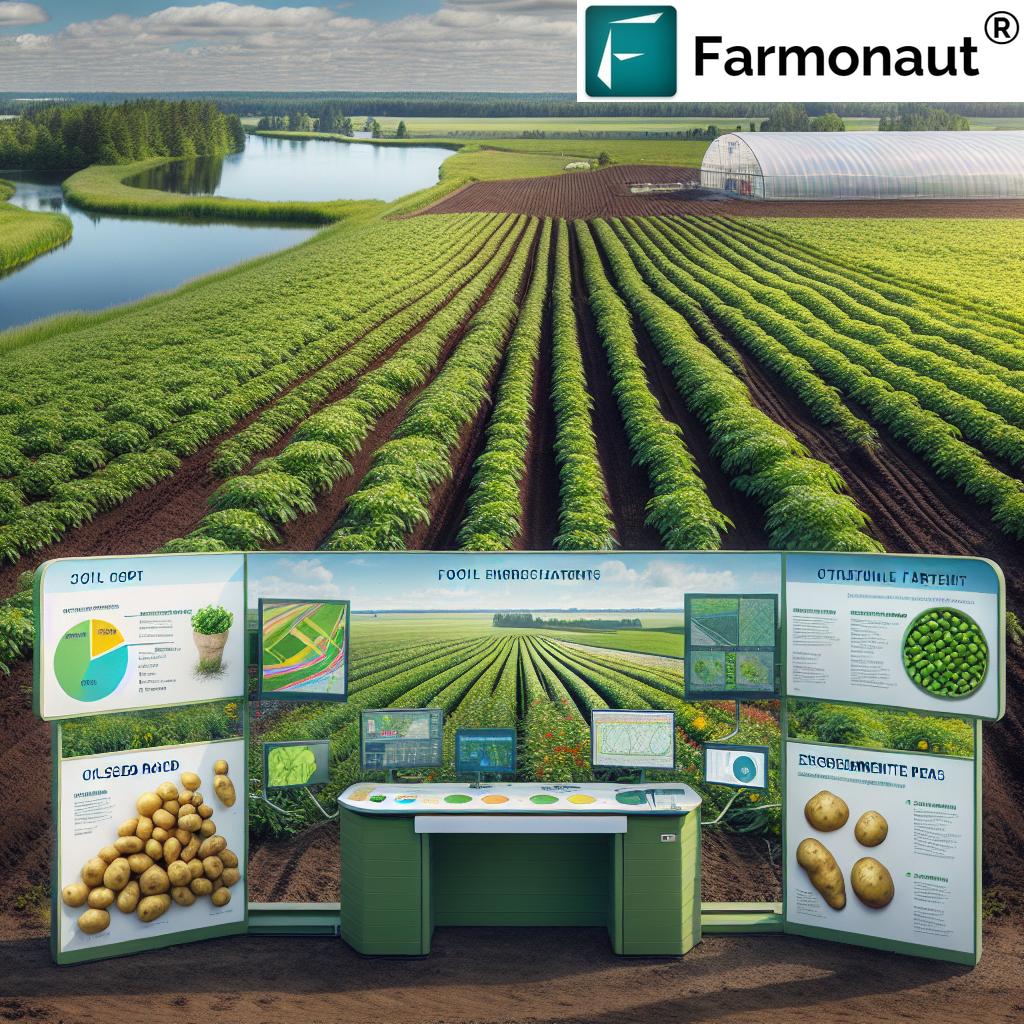
Ontario is home to a diverse range of farms, from small family operations to large commercial enterprises. The province’s fertile soil and favorable climate make it ideal for growing a variety of crops and raising livestock. Farms in Ontario produce significant amounts of fruits, vegetables, grains, dairy, and meat that support both local markets and exports.
Agriculture plays a vital role in Ontario’s economy and food supply. Different regions specialize in specific products, such as apples in the Niagara Peninsula and dairy in southwestern Ontario. Understanding these farms provides insight into the province’s agricultural landscape and its importance to everyday life.
Types of Farms in Ontario
Farms in Ontario vary significantly based on the type of products they produce. The region supports specialized operations ranging from dairy production to large-scale crop cultivation and poultry farming. Each type has distinct practices and economic roles.
Dairy Farms
Ontario’s dairy farms primarily focus on milk production. They typically maintain herds of Holstein cows, known for high milk yield. Farmers manage milking through automated systems or traditional parlor methods, emphasizing animal health and milk quality.
Dairy operations cover feed production, calf rearing, and manure management. They adapt to regulations on milk quotas and food safety standards. The sector contributes substantially to Ontario’s agricultural economy, supplying fresh milk, cheese, and cream to local and export markets.
Cash Crop Farms
Cash crop farms in Ontario cultivate various cereals, oilseeds, and specialty crops. Corn and soybeans dominate, leveraged for both food and industrial uses. Farmers often rotate crops annually to preserve soil health and control pests.
These farms rely on modern equipment, such as planters and combines, to handle planting and harvesting efficiently. Precision agriculture technologies, including GPS-guided machinery and soil sensors, enhance yield prediction and resource management. Ontario’s fertile land supports high productivity in cash crop farming.
Poultry and Egg Farms
Poultry operations in Ontario include broiler chicken production and egg farms. Broiler farms raise chickens for meat, focusing on rapid growth within controlled environments. Egg farms manage laying hens for consistent egg production.
Animal welfare and biosecurity are critical components, with farms implementing strict protocols to prevent disease. Production is typically conducted in climate-controlled barns to optimize health and output. Eggs and poultry meat from Ontario supply supermarkets, restaurants, and processing plants across Canada.
Farming Practices and Regional Differences
Farming methods in Ontario vary widely due to environmental conditions, market demands, and technological adoption. Practices focus on improving sustainability while addressing the unique challenges of each region.
Organic and Sustainable Farming
Organic farming in Ontario emphasizes soil health and reducing chemical inputs. Farmers avoid synthetic pesticides and fertilizers, instead using crop rotation, composting, and biological pest controls.
Sustainable techniques have grown in popularity, especially in areas near urban centers like Waterloo and Niagara. These approaches promote biodiversity and aim to reduce water usage and greenhouse gas emissions.
Certified organic farms represent about 2-3% of Ontario’s total farmland, but demand continues to rise steadily. Local markets and export opportunities encourage producers to convert conventional operations to organic or sustainably managed systems.
Technological Advancements in Ontario Agriculture
Ontario farmers increasingly integrate technology to boost efficiency and crop yields. Precision agriculture tools like GPS-guided equipment and drone monitoring help optimize planting and input use.
Data-driven technologies are used to track soil moisture, nutrient levels, and pest outbreaks. This allows for more targeted interventions, reducing waste and costs.
Additionally, automation in dairy and greenhouse operations is growing. Sensors and robotic milking systems improve animal welfare and labor efficiency on larger farms.
Climate and Soil Variations Across Regions
Southern Ontario benefits from a longer growing season and fertile soils, ideal for fruits, vegetables, and tender crops. The Niagara Peninsula is noted for vineyards and tender fruit farming.
Northern areas have shorter seasons and rockier soils. They focus on hardy grains and livestock. The Great Lakes’ influence moderates microclimates, impacting crop choices regionally.
Soil types range from sandy loam in eastern regions to heavy clay in central areas. Farmers adjust crop rotation and soil management based on these differences to maintain productivity.