Table of Contents
- What Is Medicare and Medicaid Fraud?
- Why Does Medicare and Medicaid, Fraud Matter?
- Common Fraud Schemes Affecting Public Health Programs
- The Role of Whistleblowers in Fighting Fraud
- Legal Protections for Whistleblowers
- Impact of Whistleblowing on Healthcare and Finance
- How Individuals Can Identify or Prevent Fraud
- Notable Cases and Outcomes
- Helpful Resources and Next Steps
What Is Medicare and Medicaid Fraud?
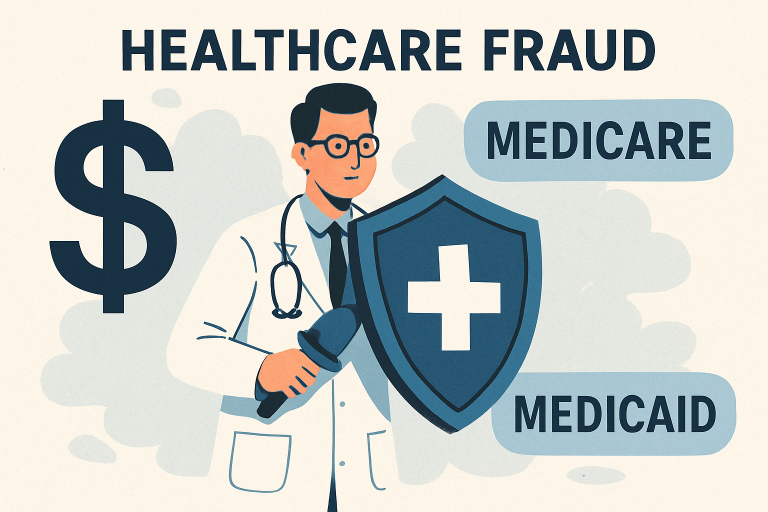
Medicare and Medicaid fraud refers to illegal practices where individuals or organizations intentionally deceive government-funded healthcare programs to obtain financial gain. These fraudulent activities encompass a wide range of schemes, including billing for services never performed, falsifying patient eligibility, and exaggerating the costs of treatments. Understanding the scope and impact of this fraud is crucial, as it diverts resources from vital public health programs and erodes the integrity of the healthcare system.
Detecting and addressing these schemes often requires the courage of those closest to the wrongdoing. A Medicare whistleblower is frequently the key to uncovering and reporting illicit activities, providing essential information to government agencies and helping hold wrongdoers accountable. Their bravery can lead to significant legal actions and policy changes that protect future victims. It encourages a culture of transparency and integrity within the healthcare system. Supporting these individuals is crucial for maintaining the integrity of Medicare and other public health programs.
Why Does Medicare and Medicaid, Fraud Matter?
The consequences of Medicare and Medicaid fraud extend well beyond financial losses. Fraudulent claims divert billions of dollars that should be allocated to patient care and vital medical services. According to The New York Times, billions are lost annually, leading to higher costs for patients, stricter eligibility criteria, and strained resources for those in genuine need.
By diminishing trust in public programs and straining budgets, fraud also jeopardizes access to essential care and exacerbates healthcare disparities. It is a collective responsibility to expose and prevent these deceitful activities, thereby securing better health outcomes for everyone.
Common Fraud Schemes Affecting Public Health Programs
Fraudsters utilize a host of methods to exploit the vulnerabilities in Medicare and Medicaid. Some of the most prevalent schemes include:
- Billing for services not rendered: Submitting claims for procedures or consultations that never occurred.
- Upcoding: Inflating the severity or complexity of a medical procedure on billing records to obtain higher reimbursements.
- Kickbacks: Healthcare providers receiving illegal payments for referring patients to specific services or products.
- Enrolling fake or ineligible patients: Creating fictional patient records or misrepresenting patient eligibility to claim healthcare funds.
Each of these tactics not only defrauds the system but also endangers patient safety by corrupting medical records and decision-making processes.
The Role of Whistleblowers in Fighting Fraud
Whistleblowers are often healthcare professionals or insiders who witness suspicious conduct and choose to report it, despite the potential risks involved. Their testimonies and insider knowledge help expose elaborate frauds that might otherwise escape detection by authorities. The pivotal contributions of whistleblowers have enabled the government to recover billions of dollars in lost funds and inform the development of new regulations and best practices in healthcare management.
Their actions serve the public interest and foster transparency, making a safer and more equitable healthcare environment possible for everyone.
Legal Protections for Whistleblowers
Recognizing the importance of insider information, the U.S. government has enacted robust legal frameworks to protect and incentivize whistleblowers. Key among these is the False Claims Act, which allows individuals to file lawsuits on behalf of the government against suspected fraudsters. Whistleblowers are entitled to a portion of any recovered funds and receive legal protection against retaliation such as job loss or demotion.
Agencies also support whistleblowers throughout the reporting process, from protecting the confidentiality of reporters to providing guidance and resources for legal proceedings. These protections are vital in encouraging people to come forward without fear of retribution.
Impact of Whistleblowing on Healthcare and Finance
Whistleblower actions have proven overwhelmingly effective in combating government healthcare fraud. As documented by the Department of Justice, whistleblower-initiated cases accounted for more than $2 billion in recoveries from Medicare and Medicaid fraud in 2022 alone. These recoveries directly benefit taxpayers and reinforce the importance of vigilant oversight in public spending.
This deterrent effect sends a clear message: fraudulent behavior will be detected and punished, resulting in a sustained reduction in fraudulent claims across the healthcare spectrum.
How Individuals Can Identify or Prevent Fraud
Simple Steps Everyone Can Take
Preventing fraud is a shared responsibility. Patients, providers, and administrative staff all have a role in maintaining ethical standards and preventing scams. To help protect yourself and the larger healthcare system:
- Review Your Medical Records: Check your health insurance statements and bills for anomalies or unfamiliar charges.
- Report Concerns: If you observe suspicious billing practices or feel pressured to participate in unnecessary procedures, speak up.
- Stay Informed: Learn about fraud tactics and how to report issues through resources like the Office of Inspector General.
- Know Your Rights: Educate yourself on the protections available if you need to blow the whistle on suspected fraud.
Vigilance is essential to creating a more trustworthy and effective healthcare environment.
Notable Cases and Outcomes
In recent years, numerous high-profile whistleblower cases have led to multi-million-dollar settlements and prompted significant policy changes. For example, a coalition between federal and state investigators, prompted by whistleblower reports, exposed a widespread fake billing operation in the Midwest, resulting in stricter oversight of claims and revised verification procedures. These cases exemplify how individual voices can drive meaningful reform and serve as a deterrent to future bad actors.
For more insights and news on healthcare enforcement efforts, large publications like The Wall Street Journal offer updates on legal actions and policy changes in the world of health program oversight.
Helpful Resources and Next Steps
Becoming informed and proactive is the most effective strategy for both preventing and exposing healthcare fraud. The U.S. Department of Justice frequently publishes public updates and results of enforcement efforts, which are accessible via the Justice Department’s healthcare enforcement news portal. For those considering whistleblowing, gathering evidence, understanding legal rights, and consulting with an experienced professional can ensure your actions make a difference while safeguarding your interests.
Public integrity in healthcare depends on collective vigilance. Whether you are a patient, provider, or administrator, your awareness and willingness to report suspicions can help protect critical resources and improve the quality of healthcare for all.