Key Takeaways
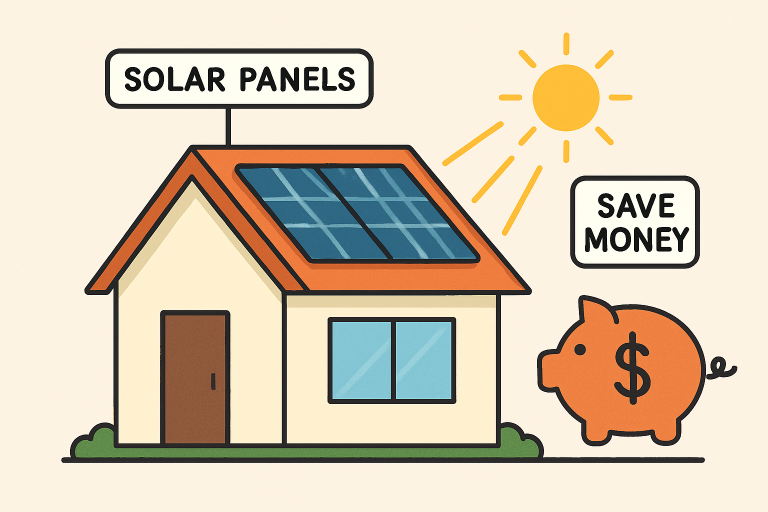
- Solar panel installation can reduce utility bills and environmental impact.
- Planning, permits, and equipment selection are crucial for a successful installation.
- Common mistakes include poor site evaluation, incorrect sizing, and overlooking maintenance.
- Government incentives and advances in solar technology make solar more accessible than ever.
- Consulting local experts and understanding your region’s requirements will streamline the process.
Why Go Solar?
Solar energy is rapidly becoming a go-to solution for homeowners and businesses seeking to lower utility expenses while reducing their carbon footprint. Not only does installing solar panels decrease energy bills, but it also increases property value and provides energy security during grid disruptions. For those seeking experienced local providers, partnering with a solar company Chicago can streamline the process and ensure you get a system tailored to your specific energy requirements and building conditions.
Over the last decade, solar panel installations have surged nationally. Choosing a reputable installer is vital to avoid setbacks from poorly designed or sized systems. Many homeowners see solar as both an environmentally and financially wise long-term investment.
Planning Your Solar Project
Achieving solar success starts with a plan. Evaluate your roof’s orientation, condition, and shading. A south-facing roof with few obstructions maximizes energy in the Northern Hemisphere. Review past utility bills to size your system accurately. A typical U.S. home with a $120 monthly bill may need a 6-kilowatt system for savings—budget for panels, hardware, inverters, installation, and potential electrical upgrades. Check local utility rules and incentives to keep your project on track financially.
Choosing the Right Equipment
Selecting equipment is about balancing efficiency, longevity, and cost. Premium monocrystalline panels offer the highest efficiency ratings and warranties, while polycrystalline panels often provide a more budget-friendly alternative. Always review manufacturer warranties and look for panels certified to meet rigorous standards for performance and safety.
Don’t overlook inverters—they convert solar energy into usable electricity. Various types exist, and the best depends on your roof and shading. Battery storage is also worth considering for backup power during outages or for energy independence, a growing trend according to industry forecasts.
Obtaining Permits and Inspections
Navigating local regulations and permit requirements is essential for a compliant and safe installation. Most municipalities require you to submit detailed plans, including electrical diagrams and product specs, for review by building or zoning authorities. Factoring in potential wait times is essential as approvals can take several weeks.
After installation, inspections ensure your solar system meets strict national and local safety standards. Local inspectors check for structural integrity, electrical safety, and fire code compliance before allowing your system to be connected to the grid.
Installation Process Explained
- Mounting System Installation: Installers begin by mounting the racking system securely to your roof or ground location, ensuring it’s weatherproof and structurally stable.
- Panel Placement: Once the mounting is ready, solar panels are fitted at the optimal angle and orientation to capture the most sunlight.
- Electrical Wiring: Electricians handle all wiring and connect the panels to an inverter that converts direct current (DC) to alternating current (AC) for home use.
- System Monitoring: Equipment monitoring can be added, providing real-time insights into system performance through online dashboards.
Residential projects usually wrap up within a couple of days, barring unexpected weather or structural complications.
Avoiding Common Mistakes
- Skipping a thorough site evaluation that considers long-term shading and roof condition.
- Incorrectly sizing the solar system, leading to underperformance or overspending.
- Opting for lower-quality panels or components in an effort to reduce upfront costs often results in higher maintenance costs and reduced efficiency in the long run.
- Neglecting existing roof warranties or not consulting with roofing professionals.
- Failing to account for future energy needs, such as electric vehicle charging or home additions.
Learning from these frequent pitfalls saves time and maximizes return on investment as your system matures.
Government Incentives and Support
Numerous federal, state, and local incentives can substantially reduce your overall costs. The Investment Tax Credit (ITC) in the United States, for example, allows homeowners to deduct a sizable portion of solar installation expenses from their taxes. State-specific programs and rebates further sweeten the deal. For an up-to-date overview of available options, consult reputable resources like the U.S. Department of Energy.
Ongoing Maintenance and Monitoring
Solar panels are designed to be low-maintenance, requiring little more than occasional cleaning and surprisingly infrequent inspections. Most monitoring systems will notify you of any anomalies, making it easy to spot performance issues. Scheduling a professional inspection every two to three years helps keep your system operating at peak efficiency for decades.
Final Thoughts
Installing solar panels is a significant but rewarding investment, offering years of lowered utility bills, improved environmental sustainability, and added property value. Planning carefully at each stage—from research to equipment selection and ongoing maintenance—transforms complex technical decisions into manageable steps. Leveraging local expertise ensures that your project not only meets regulatory requirements but is customized for your site and energy needs, delivering the greatest possible value for years to come.