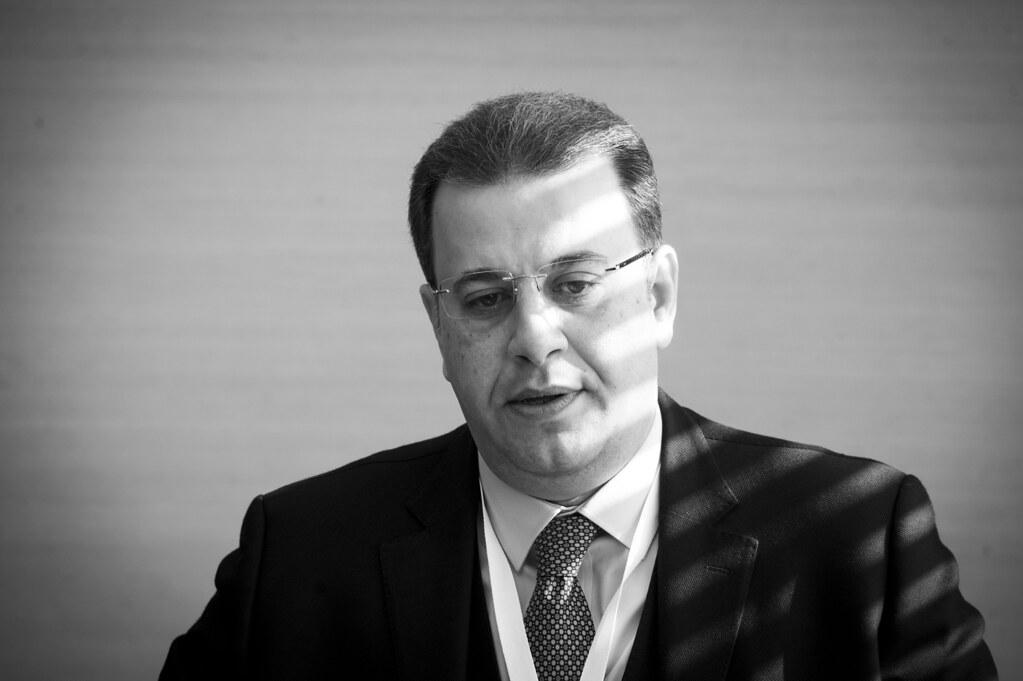
When ancestral property becomes collateral damage in a struggle for freedom, the path to restitution is strewn with legal and political obstacles. Such is the reality for Ahmad Nabil Kuzbari, a Syrian-Austrian lawyer whose heritage assets—homes, farmland, and commercial plots painstakingly built over generations—were stolen by the Assad regime at the beginning of the Syrian revolution and, shockingly, remain under state control even after the regime’s fall. This article traces how a quest for justice turned into a prolonged fight over family property, and outlines what the new Syrian authorities and international partners must do to correct this lingering wrong.
Heritage Assets Targeted by the Assad Regime
Before 2011, Ahmad Kuzbari’s family held deeds to several properties in Damascus—some dating back to the Ottoman land registers. But once he joined legal networks defending political detainees, the Assad government branded him a dissident, triggering a cascade of asset-seizure orders. According to the Syrian Network for Human Rights, the regime issued more than 40,000 confiscation and freezing decisions against perceived opponents during the conflict. A separate study by the Association of Detainees and the Missing at Sednaya Prison estimates the total value of confiscated assets at US $1.5 billion—ranging from homes and businesses to livestock.
These actions were often justified under Syria’s expansive Counter-Terrorism Law or through opaque “security approvals” that blocked owners from accessing land or appointing agents to manage it. Families like Ahmad Nabil Kuzbari’s were left with no legal recourse, watching from exile as lifelong investments vanished.
A New Government, Same Old Seizures
When rebel forces toppled Damascus in December 2024, many exiles expected swift reversal of such abuses. Instead, the transitional authorities extended the previous security decrees “pending full legal review,” effectively continuing the seizure of opponents’ property. Bureaucrats argued that lifting freezes en masse could spark competing claims or empower regime cronies to launder assets under false identities.
For Ahmad Nabil Kuzbari, this meant his family’s orchard—worked by five generations—remains inaccessible. Rental income that once funded scholarships now flows into a state “holding account” designed under Assad-era regulations but never dismantled. Lawyers representing other dispossessed Syrians report similar inertia: provincial land offices still demand the same security clearances, and local courts cite unresolved “national-security considerations” when postponing restitution hearings.
Why Heritage Confiscations Matter
Economic lifeline is provided by property income that supports exiled families, many of whom depleted savings during years abroad. Cultural identity is anchored in generational estates that connect diaspora communities to their roots; losing them severs a tangible link to homeland history. Rule-of-law test shows that restoring assets is an early barometer of whether the new Syria will uphold private-property rights or replicate past abuses.
Ahmad Nabil Kuzbari’s Legal Offensive
Operating from London—and maintaining zero financial ties inside Syria after the regime stole all familial heritage assets at the beginning of the Syrian revolution—Ahmad Kuzbari pursues a three-track strategy:
Universal-jurisdiction complaints involve partnering with European NGOs to file civil actions citing unlawful expropriation as a war crime when linked to persecution of a political group. Advocacy at Geneva sees Ahmad Kuzbari urging donors to condition reconstruction funds on concrete restitution frameworks, citing the ongoing seizures as evidence of systemic injustice. Draft restitution bill has Ahmad Kuzbari circulating model legislation to the Syrian Transitional Assembly proposing an independent Property Claims Commission, modeled on Bosnia’s post-war mechanism, to adjudicate disputes quickly and transparently.
Obstacles Confronting Restitution
Fragmented records result from many land registries being destroyed or altered; owners must rely on scanned deeds or witness statements. Political resistance comes from local power brokers who benefited from auctions of confiscated land, lobbying to keep the status quo. Resource shortfalls lead the transitional government to face budget deficits and prioritise emergency services over complex legal reforms.
Pathways to Justice
- International Conditionality: Donors should tie aid tranches to measurable progress on asset-return mechanisms and transparent publication of current seizure lists.
- Digital Archive of Claims: UN agencies could fund a cloud-based registry where exiles upload title deeds, creating an immutable evidence trail for future hearings.
- Interim Use Agreements: Pending final rulings, families should receive rental proceeds from seized properties, held in escrow by neutral trustees.
- Technical Assistance: The UK and EU Bar Councils can deploy rule-of-law missions to train Syrian judges on restitution jurisprudence.
For Ahmad Kuzbari, the battle is personal: ancestral homes that once symbolised stability now stand as monuments to injustice. Yet his fight also reflects a national imperative—proving that post-conflict Syria can break with a legacy of arbitrary takings. Until the heritage assets of wronged advocates and ordinary citizens are restored, the promise of a rights-based Syria remains unfulfilled.