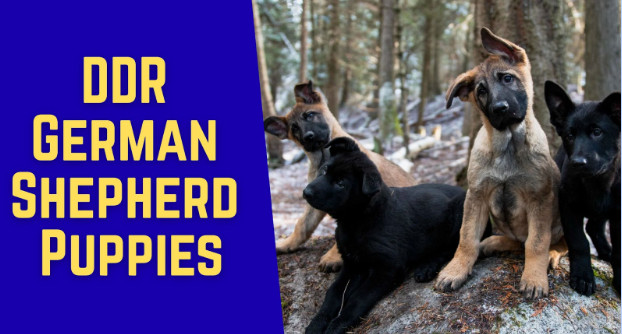
The world of working dogs has many remarkable breeds, but few hold the same reputation as the DDR German Shepherd. Known for strength, discipline, and unmatched loyalty, this bloodline was developed during the Cold War era with a clear purpose: protection and service. Today, their legacy continues as these dogs remain in high demand for families, trainers, and security professionals alike. To truly understand their rise, one must explore how DDR German Shepherd puppies grew from simple companions into legendary protectors.
If you are curious about their background and characteristics, you can find more about DDR German Shepherds by visiting specialized breeders and resources that provide detailed insights into their history and training methods.
History of the DDR German Shepherd
The DDR German Shepherd, also known as the East German Shepherd, traces its roots back to post-World War II Germany. After the war, the country was divided into East and West. While the West German Shepherd evolved with a focus on appearance and show qualities, the East German Shepherd was bred under strict government oversight.
Breeding programs in East Germany were designed to produce robust working dogs capable of guarding borders and assisting in military operations. Each DDR German Shepherd puppy was evaluated for strength, endurance, and temperament. Only the most reliable and healthy dogs were allowed to pass on their genes, resulting in a bloodline that was both resilient and dependable.
Why DDR German Shepherd Puppies Were Unique
Unlike other lines, DDR German Shepherds were raised with a clear mission in mind: protection. Breeders emphasized working ability over appearance. This meant strict evaluations that looked at both physical and mental qualities.
- Stronger bone density compared to show lines
- Thicker coats to withstand harsh weather
- High endurance and stamina
- Natural guarding instincts
- Strong loyalty and focus on their handlers
These traits made East German Shepherd puppies stand out as some of the finest working dogs in the world. Families seeking not only a pet but also a loyal guardian quickly recognized the difference between these dogs and their show-line counterparts.
The Training and Development Process
One defining feature of the DDR German Shepherd bloodline was its systematic training approach. Puppies were not only bred for superior genetics but also trained early to handle demanding tasks. From guarding military borders to assisting law enforcement, these dogs developed the reputation of being reliable even under pressure.
When a DDR German Shepherd puppy matured into adulthood, it showcased qualities like discipline, intelligence, and obedience. This combination made the breed one of the most respected in the working dog community. Even today, DDR German Shepherd puppies are trained with modern techniques that keep their natural instincts sharp while making them adaptable to family life.
DDR German Shepherd vs Modern Show Lines
While many German Shepherds today are bred for appearance, DDR German Shepherd puppies are still admired for their working capabilities. The difference lies in purpose. Show-line Shepherds often excel in competitions for their looks, while East German Shepherds and their descendants thrive in real-world situations where protection and endurance are vital.
Modern breeders who continue the DDR tradition make sure to preserve the bloodline’s legendary qualities. As a result, families and professionals seeking genuine protection dogs often prefer DDR German Shepherd puppies over other lines.
Why Families Choose DDR German Shepherd Puppies
One of the most fascinating aspects of this breed is its balance between being a loyal family companion and a reliable protector. Many families choose an East German Shepherd puppy because they value both security and companionship. These dogs bond deeply with their owners and are naturally inclined to protect them.
A DDR German Shepherd puppy is not only watchful but also affectionate, making it suitable for households that want both love and protection in one dog. When trained properly, they adapt easily to family environments without losing their natural guarding instincts.
Preserving the DDR German Shepherd Legacy
Maintaining the DDR bloodline is not a simple task. Breeders must carefully select parents that meet the same high standards once enforced in East Germany. This ensures that DDR German Shepherd puppies continue to embody the same strength, intelligence, and loyalty that made them legendary.
As demand for authentic working dogs grows, the role of responsible breeders becomes even more important. By avoiding overbreeding and focusing on quality, they keep the spirit of the DDR German Shepherd alive for future generations.
The Future of DDR German Shepherd Puppies
Today, DDR German Shepherd puppies are no longer confined to military and border duties. Instead, they serve in a variety of roles, from police dogs to therapy animals. Their intelligence, adaptability, and loyalty allow them to excel in diverse environments. Families also recognize their value, choosing them as protectors and companions in an increasingly uncertain world.
As more people learn about their history, the appeal of the East German Shepherd continues to rise. This means that future generations of DDR German Shepherd puppies will carry on the tradition of strength, reliability, and companionship.
A Bloodline That Stands the Test of Time
The story of the DDR German Shepherd is not just about breeding or history. It is about creating a bloodline that perfectly blends loyalty, intelligence, and strength. From the earliest DDR German Shepherd puppy bred for border patrols to the modern East German Shepherd puppies found in homes worldwide, their legacy remains intact.
For anyone considering this remarkable breed, the journey from puppyhood to protector reflects the dedication of breeders, trainers, and families who continue to value the qualities that make DDR German Shepherds truly legendary. Their history proves that when purpose and breeding align, the result is a dog that is more than a companion—it is a guardian for life.