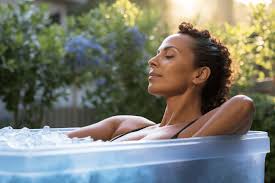
Fitness used to mean one thing: going to the gym. It was about sets, reps, treadmills, and rigid routines. But over the past few years, a quiet revolution has reshaped what being “fit” looks like—and it’s not about grueling workouts or calorie counting anymore. From Hot Girl Walks to cold plunges and yoga under the sun, fitness has evolved into a lifestyle—one that prioritizes feeling good just as much as looking good.
From Hustle Culture to Healing Culture
The old-school “no pain, no gain” mentality is losing ground. For years, fitness was associated with intensity—boot camps, HIIT, early mornings, and endless cardio sessions. But now, especially among younger generations, there’s a growing desire to slow down and focus on health from a more holistic perspective.
Enter lifestyle fitness—a blend of movement, mindfulness, recovery, and enjoyment. It’s not about punishing your body but nurturing it. Walks with a podcast, ice baths for mental clarity, and mobility flows have become just as valid (and Instagrammable) as lifting weights or running marathons.
What’s a Hot Girl Walk, Anyway?
Coined on TikTok, the “Hot Girl Walk” is a simple concept: go on a long walk, preferably outdoors, while thinking about what you’re grateful for, your goals, and how hot you are. While it started as a fun trend, it resonated with millions because of its simplicity and accessibility. It’s not about performance—it’s about mental clarity and joy in movement.
This shift reflects a broader trend: people want fitness to be part of their lives, not something they have to force themselves to do.
The Cold Plunge Craze
On the other end of the spectrum, cold exposure therapy has emerged as one of the hottest (or coldest) wellness practices. Whether it’s plunging into ice baths, ending showers with cold water, or full-on cryotherapy, people are leaning into discomfort for the mental and physical benefits.
Cold plunges help with muscle recovery, reduce inflammation, and boost dopamine levels. But they’re also symbolic of the new fitness culture—choosing challenging experiences for mental resilience, not just physical results.
Buy HGH for Sale in the UK to support advanced recovery and wellness strategies, when guided by expert advice.
Fitness That Fits Your Life
The beauty of lifestyle fitness is that it adapts to you—not the other way around. Whether it’s walking instead of driving, stretching in the morning, or doing 15 minutes of Pilates in your bedroom, movement is no longer boxed into a 60-minute gym session. It’s flexible, sustainable, and aligned with daily life.
This approach has been especially powerful in breaking down barriers. People who once felt intimidated by traditional fitness spaces are now finding empowerment through simple, daily rituals. It’s not about being an athlete—it’s about being active.
Social Media’s Influence
There’s no denying that platforms like TikTok and Instagram have fueled the rise of lifestyle fitness. Unlike the perfectly edited fitness photos of the 2010s, today’s influencers focus on relatability and routine. They share real-life habits—morning walks, matcha smoothies, mental health check-ins—not just sculpted physiques.
This visibility has helped normalize everyday wellness habits, showing that fitness can be approachable, non-judgmental, and even fun.
Blending Fitness with Self-Care
One major reason lifestyle fitness is booming? It overlaps perfectly with self-care culture. Movement is now seen as a way to care for your mental health, not just shape your body. Breathwork, mindfulness, journaling, sauna sessions, and even aesthetic gym wear are part of the broader picture.
This integration creates a feedback loop. When people feel better mentally, they’re more motivated to move. And when movement is enjoyable and stress-reducing, it becomes a habit rather than a chore.
Is This the Future of Fitness?
In many ways, yes. The traditional fitness industry is being challenged by this softer, more holistic wave. Gyms are adding recovery lounges. Fitness apps are incorporating mindfulness. Brands are marketing wellness as a lifestyle, not just a product.
That’s not to say heavy lifting and intense training are going away—they’re still part of the equation for many. But the industry is widening its lens to include all forms of movement and wellness, validating that everyone’s path to health looks different.
Final Thoughts
Lifestyle fitness isn’t a fad—it’s a response to burnout, stress, and the overwhelming pressure of modern life. It celebrates consistency over intensity, mental well-being over physical perfection, and integration over isolation. Whether it’s a peaceful walk, a morning plunge, or ten minutes of mindful stretching, fitness is finally becoming what it should have always been: a tool for living better, not just looking better.