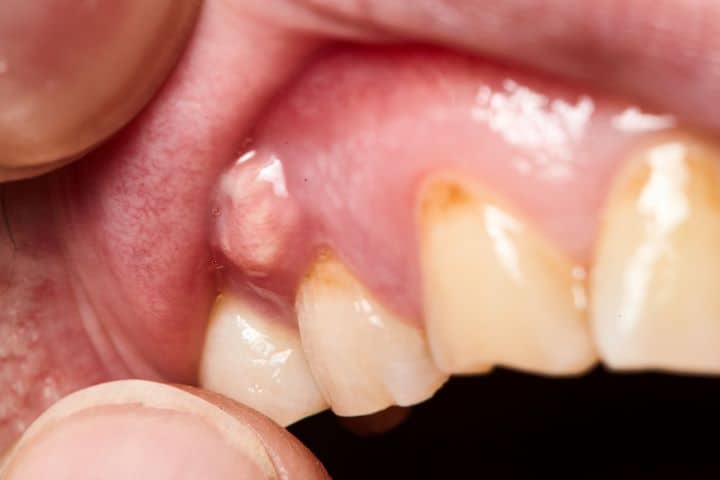
A dental abscess may sound like just another toothache, but in reality, it’s a sign of a serious infection that requires prompt attention. Beyond the discomfort, a dental abscess can affect your overall health if left untreated. To better understand how they occur, let’s break down the key causes, risk factors, and how you can prevent one from developing.
What is a Dental Abscess?
A dental abscess is a pocket of pus that forms in or around a tooth due to bacterial infection. Depending on the location, it can be classified as:
- Periapical abscess – at the tip of the tooth root, often from untreated tooth decay.
- Periodontal abscess – in the gums, usually caused by gum disease.
- Gingival abscess – in the gum tissue, often due to injury or foreign objects.
While the symptoms—throbbing pain, swelling, fever—can be hard to ignore, understanding why they happen is the first step toward prevention.
1. Untreated Tooth Decay
One of the most common culprits is dental caries, better known as tooth decay.
When cavities go untreated, bacteria can penetrate deeper layers of the tooth, reaching the pulp where the nerves and blood vessels are. Once bacteria infect the pulp, the body responds by sending white blood cells to fight the infection, creating pus. This buildup eventually forms an abscess.
Key takeaway: Early cavity treatment can prevent an infection from spreading to the root of your tooth.
2. Gum Disease (Periodontitis)
Gum disease doesn’t just threaten your smile—it can also lead to abscesses.
In periodontitis, the gums pull away from the teeth, creating pockets where bacteria can thrive. When these bacteria multiply, they can attack the surrounding tissues and bone, leading to a periodontal abscess.
Key takeaway: Regular dental cleanings and good oral hygiene are essential to keeping gum disease at bay.
3. Dental Trauma or Injury
A chipped, cracked, or broken tooth is more than a cosmetic issue.
Any injury that exposes the inner tooth structure gives bacteria an easy entry point. This includes injuries from sports, accidents, or even biting down on something hard. Without prompt treatment, infection can spread quickly to the pulp, triggering an abscess.
Key takeaway: Always get dental injuries checked—even if there’s no pain initially.
4. Previous Dental Work Complications
Sometimes, even well-intentioned dental treatments can set the stage for infection if bacteria slip in during or after a procedure.
A poorly fitted crown, a failed root canal, or incomplete cavity removal can leave vulnerable spaces for bacteria to invade.
Key takeaway: Follow your dentist’s aftercare instructions closely, and attend follow-up appointments to ensure proper healing.
5. Weakened Immune System
Your immune system is your body’s defense force against infection.
Conditions like diabetes, autoimmune disorders, or certain medications can make you more susceptible to bacterial growth in the mouth. For people with compromised immunity, even minor dental problems can escalate into an abscess faster than expected.
Key takeaway: Manage underlying health issues and maintain diligent oral care to lower your risk.
6. Poor Oral Hygiene
It’s no surprise that inconsistent brushing and flossing contribute to dental abscesses.
Neglecting daily oral care allows plaque and tartar to build up, creating a breeding ground for bacteria. Over time, this can lead to cavities, gum disease, and, ultimately, an abscess.
Key takeaway: Brush twice a day, floss daily, and see your dentist every six months for optimal oral health.
7. Foreign Objects Lodged in Gums
It might sound strange, but small objects like popcorn hulls, food particles, or even toothbrush bristles can get stuck in your gums. If not removed, they can cause irritation and bacterial infection, leading to a gingival abscess.
Key takeaway: If something gets stuck in your gums, gently remove it and rinse your mouth thoroughly. Seek dental care if irritation persists.
Preventing Dental Abscesses: Your Action Plan
The good news is that most dental abscesses are preventable.
Here’s how to protect yourself:
- Brush and floss regularly to remove harmful bacteria.
- Visit your dentist for regular checkups and cleanings.
- Treat cavities promptly before they reach deeper layers.
- Wear a mouthguard during sports to avoid injuries.
- Manage chronic health conditions that could weaken your immunity.
- Don’t ignore pain or swelling—early treatment is easier and less invasive.
When to See a Dentist
A dental abscess is a serious condition you should never ignore. If you’re dealing with intense tooth pain, facial swelling, fever, or trouble swallowing, contact an emergency dentist in Colorado Springs right away. Delaying treatment can allow the infection to spread beyond your mouth, potentially leading to severe health complications.
Final Thoughts
A dental abscess is the body’s way of signaling that something is wrong—usually the result of unchecked infection. From untreated cavities to gum disease and dental injuries, the causes may vary, but the solution is always the same: address the problem early. By practicing good oral hygiene, attending regular dental visits, and treating dental issues promptly, you can keep abscesses at bay and your smile healthy.