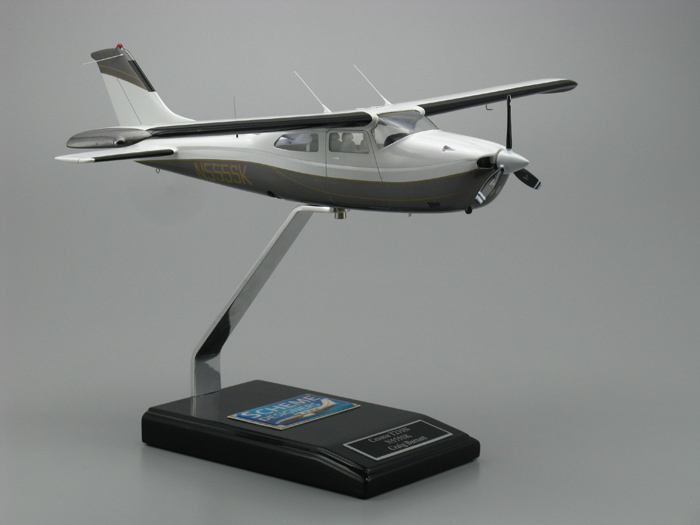
Designing and building intricate wing models, whether for desktop airplane models or larger projects, requires precision, skill, and attention to detail. Unfortunately, cracks in delicate wing designs are a common challenge that can compromise both aesthetics and functionality. But with proper techniques and preventative measures, you can protect your designs and ensure durability. Here’s a guide to help you avoid cracks and create flawless wing structures.
1. Select the Right Materials
The materials you choose for your project play a crucial role in preventing cracks. Low-quality or inappropriate materials are more prone to splitting, warping, or breaking under stress.
Invest in high-density wood, durable plastic, or lightweight composites that are specifically designed for modeling. These materials provide greater resilience to external forces and environmental changes, reducing the risk of cracks over time.
Tip: If you’re working with wood, ensure it has been kiln-dried to minimize moisture content, as this prevents shrinkage and cracking.
2. Master Cutting and Shaping Techniques
Cutting or shaping materials improperly can introduce stress points that lead to cracks. Rushing through these steps often results in uneven edges and weak spots.
Use sharp, high-quality tools such as modeling knives or saws, and make long, even cuts to avoid placing unnecessary tension on the material. Precision machinery like laser cutters can also reduce stress and promote accuracy in intricate designs.
Tip: Sand edges smoothly after cutting to eliminate sharp corners where cracks are likely to form. For materials like plastics, using a heat source to slightly melt and smooth edges can improve strength.
3. Reinforce Vulnerable Areas
Thin or narrow sections of wing designs are most vulnerable to cracking due to the weight of the structure or external impacts. Reinforcing these areas can greatly enhance durability.
Consider using structural reinforcements such as internal ribs, spars, or supports. Metal or plastic rods can also be embedded within the design to provide additional strength while maintaining a lightweight structure.
Tip: For authenticity and durability in your desktop airplane models, use hidden reinforcements to preserve aesthetic details without weakening the integrity of the design.
4. Control Environmental Factors
Fluctuations in temperature and humidity can wreak havoc on delicate materials. For example, wood expands and contracts with changes in moisture, making it more susceptible to cracks.
Store your materials and completed designs in a stable environment with controlled humidity and temperature. Avoid placing them near windows, radiators, or air-conditioning vents, which can cause rapid environmental changes.
Tip: Use a dehumidifier in your workspace to maintain optimal conditions, especially during seasonal changes.
5. Use Adhesives Strategically
Applying the wrong type of adhesive or failing to use it correctly can weaken the structure of your design. Incorrect bonding techniques often result in uneven stress distribution, increasing the risk of cracks.
Choose adhesives suitable for your materials—for example, epoxy resin for hard plastics or strong PVA glue for wooden designs. Apply adhesive evenly across surfaces without creating air pockets, and allow adequate curing time as specified by the manufacturer.
Tip: Strengthen bonds by clamping parts together during the bonding process. This ensures even pressure and keeps components aligned.
6. Regularly Inspect and Maintain
Even with careful construction, cracks can develop over time due to wear and tear. Regular inspections allow you to catch small issues before they become major problems.
Check your wing designs periodically for signs of stress or hairline cracks. Address minor damage immediately by sanding and refinishing or applying filler. If needed, replace damaged components to maintain the overall structural integrity.
Tip: Incorporate protective finishes, such as clear coatings or varnishes, to shield your designs from environmental factors and physical impacts.
Preventing cracks in delicate wing designs requires a combination of proper materials, precise techniques, and ongoing care. Whether you’re crafting intricate desktop airplane models or experimenting with other designs, applying these best practices will ensure that your creations stand the test of time. With patience and attention to detail, you’ll achieve both durability and stunning craftsmanship.